The Creator of Onewheel | Kyle Doerksen
The Creator of Onewheel | Kyle Doerksen
Summary
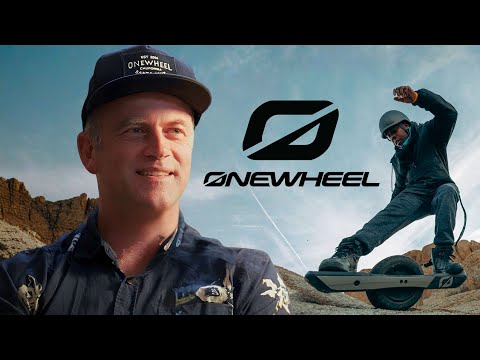
Kyle Doerksen, founder and CEO of Future Motion, discusses the creation and evolution of Onewheel, a self-balancing electric skateboard with a single large wheel in the middle. The interview covers the journey from early tinkering projects inspired by a desire to recreate the feeling of snowboarding on powder, through a successful Kickstarter campaign, to building a company that manufactures boards domestically in California. Doerksen explains how advancements in sensor technology (especially from gaming like the Nintendo Wii) and brushless motor tech made the product possible at the right time.
The conversation delves into the challenges of hardware entrepreneurship, including finding the right manufacturing partners, working with exotic motor technology, and scaling production while maintaining quality. Doerksen discusses how Future Motion has iterated on the product through multiple generations, learning from customer feedback and real-world abuse. He also talks about the emergence of Onewheel racing as a sport, the importance of creating an intuitive user experience, and the company’s focus on repairability and longevity. The interview touches on the difficulties of “production hell” and the unique challenges of building consumer electronics hardware in the United States.
Highlights
”Segway got the middle finger, Onewheel gets thumbs up”
Clip command
yt-dlp --download-sections "*0:00-1:00" "https://www.youtube.com/watch?v=xTKpgrubLao" --force-keyframes-at-cuts --merge-output-format mp4 -o "xTKpgrubLao-0m00s.mp4"“Basically, the only self-balancing product before One Wheel was Segue. I think there’s like a Paul Graham essay about what Segue should be. It’s like should be like a board. When you see people, they should like give you thumbs up, you know, not like the middle finger. I think we kind of ended up building that.” — Kyle Doerksen, 0:00
”Snowboarding on powder is this three-dimensional feeling”
Clip command
yt-dlp --download-sections "*1:02-2:00" "https://www.youtube.com/watch?v=xTKpgrubLao" --force-keyframes-at-cuts --merge-output-format mp4 -o "xTKpgrubLao-1m02s.mp4"“Snowboarding on powder to me is just this kind of three-dimensional feeling, right? Because the board’s free to move in a number of different directions. And then I studied mechanical engineering and computer science and then worked as a product design consultant.” — Kyle Doerksen, 1:02
”A single axis gyro sensor was $90 until the Nintendo Wii”
Clip command
yt-dlp --download-sections "*6:41-7:45" "https://www.youtube.com/watch?v=xTKpgrubLao" --force-keyframes-at-cuts --merge-output-format mp4 -o "xTKpgrubLao-6m41s.mp4"“A single axis gyro sensor was like ninety dollars. And then the Nintendo Wii came along and then the iPhone was really the truly high volume application. That drove the cost curve down to within a couple years you get a six degree of freedom IMU chip for three, four bucks.” — Kyle Doerksen, 6:41
”The TAM is zero until you start building it”
Clip command
yt-dlp --download-sections "*12:25-13:30" "https://www.youtube.com/watch?v=xTKpgrubLao" --force-keyframes-at-cuts --merge-output-format mp4 -o "xTKpgrubLao-12m25s.mp4"“How big is this market? The TAM is zero until you start building it, right? It’s market creation. So if you can show people what it’s like visually, experientially, then you start building this thing and people see someone riding around and they’re like ‘what is that?’” — Kyle Doerksen, 12:25
”Juicero raised between 100 and 200 million and sold at a loss”
Clip command
yt-dlp --download-sections "*14:00-15:05" "https://www.youtube.com/watch?v=xTKpgrubLao" --force-keyframes-at-cuts --merge-output-format mp4 -o "xTKpgrubLao-14m00s.mp4"“I go to Sand Hill Road. They’re like, ‘Oh man, you should have been here yesterday. We had these guys that were making this thing called Juicero.’ And of course, Juicero raised like between 100 and 200 million, didn’t last very long. People found out you could just squeeze the juice out of the pack on your own.” — Kyle Doerksen, 14:00
”Domestic manufacturing for cash flow and intellectual property”
Clip command
yt-dlp --download-sections "*17:36-18:40" "https://www.youtube.com/watch?v=xTKpgrubLao" --force-keyframes-at-cuts --merge-output-format mp4 -o "xTKpgrubLao-17m36s.mp4"“One of the things that led us to was actually domestic manufacturing. We decided to build in the US. One of the big things was just cash flow - we’d get the order from a customer, our CM would build it, we’d ship it, and then they’d send us an invoice we needed to pay 30 days later. Very different than buying container loads from overseas.” — Kyle Doerksen, 17:36
”Every single Onewheel gets a test ride in the factory”
Clip command
yt-dlp --download-sections "*24:54-26:00" "https://www.youtube.com/watch?v=xTKpgrubLao" --force-keyframes-at-cuts --merge-output-format mp4 -o "xTKpgrubLao-24m54s.mp4"“Even to this day, like every single Onewheel we make, we have a test rider in our factory like go take it for a lap and make sure it’s all working just right.” — Kyle Doerksen, 24:54
Key Points
-
What is Onewheel (0:15) - A skateboard with one giant wheel with a motor inside and an active control system to balance riders, controlled by leaning forward/back/side
-
Inspiration from snowboarding (1:02) - The three-dimensional feeling of snowboarding on powder was the core inspiration for the product’s design
-
Segway comparison (0:00) - Before Onewheel, Segway was the only self-balancing personal transport, but it didn’t give riders “thumbs up” - people gave them the middle finger
-
Technology timing (6:41) - Nintendo Wii drove sensor costs down dramatically, making the control system affordable; previously a single gyro sensor cost $90
-
Kickstarter launch (4:14) - Successfully funded crowdfunding campaign in a few days, then had to figure out how to actually make the product
-
YC application (11:20) - Applied to Y Combinator after the Kickstarter success to get help with the business side
-
Juicero lesson (13:40) - Mentions the cautionary tale of hardware startups that raised too much money and overbuilt their products
-
Domestic manufacturing (15:24) - Future Motion manufactures in California, which required figuring out how to make the economics work domestically
-
Board testing (24:48) - Extensive testing regimen to ensure boards can handle real-world abuse from riders
-
Onewheel racing emergence (27:09) - Racing has emerged as an unexpected sport around the product, with people pushing the boards to their limits
-
Intuitive design (31:37) - Focused on creating an experience so intuitive that new riders can get on and ride almost immediately
-
Early prototypes (33:38) - The evolution from early garage prototypes to production-ready product
-
Scaling challenges (36:45) - The difficulties of scaling hardware production while maintaining quality and managing supply chain
-
Designed for abuse (40:51) - Building a product that riders will inevitably beat up and abuse, requiring robust engineering
-
Repairability focus (43:54) - Designing boards to be repairable extends product life and builds customer loyalty
-
Customer feedback (52:30) - Incorporating real-world customer feedback into product iterations
-
Expansion plans (56:03) - Future growth and product expansion over coming years
-
Production hell (1:00:05) - The intense challenges of scaling hardware production, famously coined by Tesla
-
Zero to one (1:02:38) - The unique challenges of creating something entirely new versus iterating on existing products
Mentions
Companies
- Future Motion (0:00) - Kyle’s company that makes Onewheel
- Segway (0:00) - The only previous self-balancing personal transport product
- Y Combinator (11:20) - Applied for startup accelerator help
- Kickstarter (4:14) - Crowdfunding platform used to launch
- Tesla (1:00:05) - Referenced for “production hell” concept
- Juicero (13:40) - Cautionary tale of hardware startup failure
- Nintendo (6:41) - Wii drove sensor technology costs down
Products & Technologies
- Onewheel (0:15) - The self-balancing electric board product
- Brushless motors (7:43) - Exotic motor technology used in the board
- Gyro sensors (6:41) - Key component enabled by Nintendo Wii cost reductions
- Lead acid batteries (2:34) - Early prototype battery technology
People
- Kyle Doerksen (0:00) - Founder and CEO of Future Motion
- Paul Graham (0:00) - Referenced for essay about what Segway should have been
Surprising Quotes
“Basically, the only self-balancing product before One Wheel was Segue. I think there’s like a Paul Graham essay about what Segue should be. It’s like should be like a board. When you see people, they should like give you thumbs up, you know, not like the middle finger.” — 0:00
“A single axis gyro sensor was like ninety dollars. And then the Nintendo Wii came along and suddenly sensors were commoditized.” — 6:41
“Snowboarding on powder to me is just this kind of three-dimensional feeling, right? Because the board’s free to move in a number of different directions.” — 1:02
“If you want something that’s in the catalog already, great. There’s some suppliers. But if you want something custom, it’s a whole different story.” — 9:20
Transcript
0:00 Basically, the only self-balancing product before One Wheel was Segue. I think there’s like a Paul Graham essay about what Segue should be. It’s like should be like a board. When you see people, they should like give you thumbs up, you know, not like the middle finger. I think we kind of ended up building that. This is uh Kyle Dirkson, and he is the founder and CEO of Future Motion, which is the creator of OneHe. Do you want to just start off with like what is One Wheel? So, One Wheel is basically a skateboard
0:30 with one giant wheel with a motor inside it in the middle and an active control system to balance you. So, you just lean forward to go, lean back to slow down. Um, lean heel side, toes side to turn it like a snowboard. Yeah, I was on it for I think it was like 20 minutes just before this started and it was a whole lot of fun. It was so fun. Yeah, it was a lot of fun. Um, how did you like come up with the idea in the first place? So I spent uh you know my time growing up uh in Canada snowboarding and um then so that was like a major inspiration in terms of what it should feel like.
1:02 Snowboarding on powder to me is just this kind of three-dimensional feeling, right? Because the the board’s free to move in a number of different directions. And then I studied, you know, mechanical engineering and computer science and some other things. and then worked as a product design consultant for a company in the Bay Area and we designed all kinds of crazy products for different uh companies from kids toys to medical devices that would get implanted inside people’s bodies to like you know you name it right uh so anything is possible
1:33 but uh part part of the way through that journey I was you know just looking for a tinkering project and I was like oh I took one class in control systems in college you know and it was actually kind of funny I don’t know if they still do this way. I then went to Stanford, but the your control system that your budget for the sensor, the actuator, and the controller, I think was 20 bucks. So, you had to make something really crappy and and that was the point, right? That you could learn how to control things without, you know, very good sensors, very good actuators and
2:03 stuff like that. Um, but, you know, it left me a little bit wanting to like dive back in and do more control system stuff. So tried to build like a basic cell um you know controller that could stabilize a single wheel. Um and it took about a year of nights and weekends tinkering. Um was this like 2012ish? No, this is actually like 2008. Um yeah, so um you know early Arduino actually had a chain drive motor um because the hub motors didn’t really exist yet. Um lithium batteries barely existed. So I
2:34 was still using lead acid batteries back in that era. Uh, but I got the first one going eventually and rode it around my neighborhood and was like, “Okay, this is pretty fun.” And I I put it back on the shelf because um the technology wasn’t here yet to, you know, achieve the experience that I had in my imagination, right? I was like, “No, it needs to be lighter. It needs to be more powerful, smoother, and all that stuff.” Um, and then so, yeah, fast forward a few more years, I I helped spin out an electric bicycle company actually called Faraday Bikes. um and you know got a sense like wow these small vehicles are
3:05 going to have a big impact on the world right um but also you know ebikes are going to be a very competitive category like um what’s the sort of blue ocean where I can do something that if I don’t do it you know no one else is going to do it um and so uh yeah around 2013 I I took that prototype off the shelf built the next generation prototypes with hub motors with lithium batteries um you know and launched it on Kickstarter And um you know I had no idea whether anybody cared about this thing, right? You just like put this out into the world and hope for the best.
3:36 Put out in the world you know in the consulting work I was doing we did a lot of user research and needf finding and you know collecting the data and understanding where the whites space is. This was just like I didn’t do any of that. I was just like I built this thing. Yeah it’s a passion project. You know in the early days it was not commercial at all. I was just it was just I was just tinkering on it. Right. Uh but I had a buddy of mine who was like will you build one for me? And I was like, you know, you don’t want this weird contraption with like wires hanging out at the bottom. You want like an actual product that will do the thing. Um, and
4:07 so yeah, launched it on crowdfunding and um, you know, then, uh, successfully funded in a few days and then it was time to figure out how to make these things and get them in the world. Yeah, I I know that like there’s been very few like massively successful crowdfunding stories. like there’s not a whole lot because it’s just like by the time you know by the time you’re raising money it’s a completely you know you may not even have the product yet and I think this is kind of like that case where you like haven’t figured out manufacturing and all this stuff. Um how did you think about that going into setting that up?
4:37 That’s a great question. So you know I’d been involved with this bike spin out and we actually had done crowdfunding for that too and you know it was successful but not that successful and we didn’t really have a good plan in place for like what we were going to do after the campaign. Um, and so with with One Wheel, you know, I had a few tricks up our sleeves in terms of how to get it, you know, launched with good momentum. Uh, and then really a plan for like, okay, as soon as the crowdfunding, like even before it’s done, we need to get going on the next stage. And for us, that involved raising a small seed round
5:08 after that and then hiring the first couple people and, you know, linking up with manufacturing partners and diving into the last kind of productionization, engineering, and everything. And we tried to do that really fast. So, we went from, you know, a Kickstarter in January to I think we started shipping in September. Um, and, you know, from like prototypes with wires hanging out to like in, you know, under customers feet in, you know, 9 months. I think that was pretty pretty solid. Do you have Do you have pictures of that like first prototype with all the wires
5:38 and then also the first thing that you shipped? Yeah. Yeah, we have them sitting over here in a little museum. So, we’ll throw those up. Yeah, we can take a look at those. But yeah, I mean the first prototypes were crude, but you can definitely see the the family resemblance, you know, kind of as it as it went. Yeah. How did you decide like at what point, you know, you are writing this in 2008 and you’re like, this is clearly not the experience that you can like ship to customers. What mental model went through your head on how to figure out what like initial prototype you were willing to ship? Yeah, I don’t think I exactly knew in
6:09 2008. You know, I think it was kind of going through the whole uh ebike experience and you know, that’s where really, you know, I got to use the some of the knowledge I already had about the supply chain, you know, and what existed and what didn’t exist from those early One Wheel prototypes, but also kind of get access to cutting edge lithium ion batteries and um inhub motors and, you know, also the the cost curve on the sensors. So, you know, 2008 to get a, you know,
6:41 single axis gyro sensor, you know, was $90, something like that. And then, you know, in the intervening few years, it was like the Nintendo Wii and then the iPhone was really the truly high volume application of six degree freedom sensors, which of course then led to drones and all these other things. Um, but that drove the cost curve down to, you know, within a couple years you get a six degree of freedom IMU chip for, you know, three, four bucks. Um, so it went from like extremely expensive sensors and extremely like dysfunctional batteries to like both of those work. Yeah, both work or, you know, we’re
7:12 we’re maybe not like totally commoditized by the time that, you know, I started commercializing it, but um, you know, it was within sight. So like our first couple generations of products actually we used A123 batteries which were this MIT spin out very high power uh lithium iron phosphate batteries like nobody had them right. We were one of the one of the only customers outside of probably like military and medical. Um but yeah we we shipped our first you know tens of thousands of units using these batteries which were really cool.
7:43 Um that company actually you know didn’t didn’t really make it. Um but you know we use that we used crazy motor technologies in our uh in our first generation commercial product. Um because you know I think one of the challenges when you’re a young company is you know if you try to partner with really big companies for as suppliers it goes poorly right like you’re the you know whatever it is the flea on the elephant’s back or something like they roll over and get squished right so doesn’t really make sense for them to spend a lot of time working with you. Yeah. So you need to find these kind of
8:15 smaller um suppliers and partners and um so we found this small motor company that uh you know had sort of developed an ebike motor but then uh that didn’t work out for one reason or another but they had the IP um and so they made us the a custom first generation onehe motor you know uh with like anQ of you know a couple hundred right which none of the big motor guys were going to you know even pick up the phone back in that era. Um, so we used a transverse flux motor which like we’re probably the only consumer product to ever use like this
8:47 very exotic motor technology and it is expensive and it was you know hard to work with and stuff like that but you know we really chose that because you know we found the right get the job done. Yeah, it would get the job done and these guys would pick up the phone, right? There’s a lot of just kind of pragmatism in starting early stage startup, right? So, how many how many like different uh suppliers or potential, you know, motor suppliers did you go through before you found that person? Uh, we we talked to a lot, you know, and all over the world, right? And I think that was one of the interesting things
9:20 about the early gen because um you know, if you want something that’s in the catalog already, great. There’s some suppliers. But if you want something different, well, that takes you very quickly into this world of like defense and aerospace suppliers and stuff like that where they can do it, but the cost, you know, quickly gets extra zeros added on to the to the back, right? And so it was really this challenge of you know how do we find a cost structure that works um and also you know quality and flexibility to build something new you know and um so it was really an
9:51 interesting exercise and you know talking to different companies telling us about the thing you’re like oh yeah we’re going to build this self-balancing skateboard like what are you talking about like you know the the senior person in the room’s like rolling their eyes right that like we should Did you bring an early iteration of it to those meetings or no? Yeah. Yeah. Some of them totally, you know, but it’s like, you know, you have no volume, you have no track record, right? You know, why are they going to take you seriously? And I think another thing that’s kind of interesting is um, you know, it’s like how do you learn the lessons of what
10:23 doesn’t work? And so they’re, you know, famous, basically the only self-balancing product before OneHe was Segue. Um, and you know, after OneHe there were some other products, right, like the hoverboards and whatever. Um but but Segue was this like case study example there’s you know books written about it right how they launched and they said hey we’re going to change the entire world and this is going to be such a huge um you know and high volume product that we should you know invest in
10:53 building whole factories to build you know the gearbox and stuff like that. And so, you know, they they invested, you know, tens of millions plus, right, in standing that all up before they realized like the consumer demand wasn’t really there to do what they wanted. You know what I mean? So, like technologically those early segways are kind of amazing, especially when you think that they used like 1998 technology to do it. Um, but you know, we obviously they totally missed the market in terms of, you know, what the stuff should be. And there’s
11:24 actually I think there’s like a Paul Graham essay about how like what Segway should be like should be like a board and you should like when you see people they should like give you a thumbs up you know not like the middle finger and so I think we kind of ended up building that honestly the thing that Paul Graham always wanted didn’t go through YC didn’t go through YC interviewed for YC once yeah didn’t get in it interview with PG yeah wait did was this after the essay was published yeah yeah they so they were um you know why commentator bagged uh I think
11:55 Booster Boards which is an electric skateboard startup and like Pebble the watch of course. Yeah, they they funded a lot of hardware companies but within the sort of um you know mobility space um you know and then Trevor Blackwell who is one of the other early partners there um you know was interested in balancing vehicles and that kind of stuff. So you know there was enough synergy there to at least get an interview but you know didn’t end up in the in the class. Do you know why they didn’t like vacuum? Uh, you know, I think it was just, you know, that like everybody like, well,
12:25 how big is this market? You know, right? And I think that’s that, you know, is an interesting thing when you’re doing a a product like this. I mean, the the TAM is zero until you start building it, right? It’s market creation. So if you can you know show people what it’s like uh visually give experientially like you know you got to experience like then you start building this thing and it’s like oh maybe I should get one of those and then you see someone riding around because because it’s a product that people use you know out in the real world you know has our logo on the side right people seeing what is that
12:57 I mean certainly in those early days you’d go riding by and people would be like what is that thing right so it had that kind of you know viral effect early on um But yeah, I think you know market creation is is not easy and there is no real playbook and and it’s not necessarily that investable you know I think that’s the thing right so we we um took a pretty capital constrained approach to to building it we did raise you know some outside funding but we didn’t just you know create a huge pitch and and raise you know a series of giant
13:29 rounds that then set the the goalposts you know very far to a point where you literally could not meet the expectations sort of thing. Yeah. Exactly. And you know, I I kind of studied what was going on with hardware startups at the time and shifted a little bit, but but there were a lot of really highprofile flame outs, you know, I mean, I So, this is like 2014, 2015, right? And I’m I’m raising, you know, our series A round. I go to Sand Hill Road. I’m talking to people. They’re like, “Oh, man. You should have been here yesterday. We had these guys that were making this thing called Juicero.
14:00 It’s incredible. It makes fresh juice.” I’m like, okay, I don’t I’m not making that, you know, but I think in many ways like the the venture capital community has like there’s like a flavor of the month, you know, and that that kind of, you know, they were like if it’s hardware, there has to be a consumable like it has to be razors and blades type model. Like if it’s not that, like get out of my office, right? That that’s what they were doing in 2014 and 2015. And of course, Jero raised likeund was it 40 or 14 million? Yeah, I don’t between 100 and 200 million, you know, didn’t last very
14:32 long. People found out you could just squeeze the juice out of the pack on your own. Not a fancy machine. I don’t know how that ever got funded because it was it was literally just a pack of juice that you squeeze and then it would just give you the juice. I guess so. But uh crazy. Yeah. Yeah. And you know I mean smart people that hardware if you’ve ever looked at a juicer hardware is really nicely done you know but just the combination of you know the funding the business model like the expectations you know obviously they couldn’t make that
15:03 work and you know I mean I guess most hard most startups fail right but like even more hardware startups fail right because there’s just so many things you have to um triangulate and and nail and there’s like no margin for error um that I think you can survive more different uh mistakes as a software startup, but hardware is pretty unforgiving. It’s pretty brutal. Yeah. Yeah. For the actual You do the Kickstarter and you How many like thousands of customers did you get off of that? How many people?
15:33 Uh I think we got like 4 or 500 orders like during the Kickstarter. Um and then uh you know we opened pre-orders right after that and we had kind of that many more and so that was like okay we got to build you know a thousand of these things basically. Yeah. What so did you run into any situation? I know when like Tesla and Elon started doing uh reservations for the Roadster in back in like way early 2008ish um they basically ran into the situation where they pre-sold you know cars at like $125,000 and then the cost after adding up after doing all this
16:04 stuff it was like 170 or something 150. Um did you have any situation like that? Um well fortunately we didn’t. I mean, I think all the EV startups do that exact same playbook, right? Where whatever the car sells for, you know, they they have negative gross margins at the beginning, right? So, I I believe, you know, Riven, Lucid, beautiful cars and trucks, uh, a probably awesome companies. I believe they’re still, you know, negative on unit economics, which is pretty crazy. And they’re they’re like many years in,
16:35 right? Um and you know a lot of kind of smaller scale consumer hardware startups took took the same approach but you know I really felt like you have to at least break even um you know on even that first batch and then you got to you know start working on how do you you know improve um your cost of goods how do you improve I think another big thing is just um cash flow in trade terms right because unlike software you know there is there is cost of goods right if you have a box of parts sitting there that’s your money that’s tied up until you can
17:05 turn those parts into a thing and sell those to people. Um and so that kind of um figuring out that part of the business which you know I I had never done before. I was an engineer product guy. Um but you know okay cash flow like enough people kind of used that terminology within the same you know month while I was getting things going. I’m like okay cash flow we should figure out how to optimize that right cash flow that is the thing that I should probably have. And so one of the things that that that led us to was actually domestic manufacturing. So I think you know we’ve made a number
17:36 of kind of contrarian bets I would say you know not raising that much capital building one wheeled skateboards in the first place. Um but then to build them domestically was also like I would say very contrarian in 2014. I think the default state of things is you basically go to China at that point in time. Absolutely. Now it’s like you know much more colorful conversation with people have different opinions and and still the default case is to go build in China but um you know we decided to build in the US originally with a contract manufacturer. So for the first four or
18:07 five years we worked with a domestic contract manufacturer and you know one of the big things was just cash flow. you know that we would, you know, get the order from a customer, our CM would build it, we’d ship it, and then they’d send us an invoice that we needed to pay 30 days later. You know, that’s very different than if you’re, you know, buying a a you know, container loads from overseas as a as a hardware startup, right? I mean, how much does a container load of your product cost, right? You’re talking hundreds of thousands of dollars at
18:38 least. Um, and then it’s, you know, it takes them, you know, a month or two to build it. it takes another month to get here. Uh then you got to sell it to somebody. So you’re you’re you know you’re tying up all that cash. And so I think that’s one of my number one piece of advice to like especially consumer hardware startups but any hardware startups like figure that out. How so how why did you make that call uh you know back when you were just starting like wasn’t if the default state of things was go to China what was running through your mind to say no we should actually just build it here? Yeah, I think it was just um well there
19:10 were a handful of things and you know with the ebike company I’d done we we were manufacturing that overseas um and you know kind of got trapped in this cash flow cycle where you needed to place bigger orders you’re risking growing into death but you couldn’t a yeah exactly the bigger you get you know you’re um you know throwing a few benjamins uh in the box with every shipment right and you can’t you can’t really do that or you can do it for a very short period of time maybe um but you know you look I even Juicero like that we’re kind of joking about like I’m pretty sure they
19:41 sold that thing at a loss right and that’s how you burn through you know million right um and so I think for for hardware startups they they need to get to break even they need to get to some like minimum level of of unit profitability otherwise like you say you you sell more and you just have a bigger hole right um but but for us domestic manufacturing was I mean that was one consideration um in in that. But uh intellectual property was another big one, right? Nobody knew
20:12 how to build one wheels in the world because we came up with the form factor. So if we were, you know, we needed to learn those lessons, why teach someone else how to do that? Um you know, why why not retain those lessons ourselves? Um and then the quality of course, you know, because the product has to work, right? It it’s either balancing you or it’s not. And if it’s not, that’s going to go poorly. So it really needs to work. um and you know is sort of a critical electromechanical system, right? You don’t want you don’t want to find out after you have you know
20:43 container loads in the warehouse that they forget they forgot to plug in this one connector or something, right? That’s not going to work with this kind of thing. Um and then to to have you know the products physically somewhat big. So to you know have the finished goods you know here in the states they can go directly to a customer you know um on a truck instead of you know flying here on a boat for a long time. Um that was a huge advantage. Um so and then about 5 years in we actually insourced
21:15 the manufacturing. So um we um that would have been like 2018ish. Oh yeah exactly 2018 2019. Um this 2019 is when we came out with our uh onehe pint which was the first lowerc cost onehe like under 1,000 bucks. Um and so that was another moment we’re like okay do we take this to Asia now you know u people kept saying like oh yeah let us know when you’re going to bring this to you know transition your manufacturing to China because that’s what everybody does. And we’re like, “Yeah, not too sure about that.” But, you know, spent a bunch of time in China
21:45 and other countries um you know, costing it out and seeing like is is it actually advantageous to to do this? And um were you like meeting with manufacturers and trying to figure that out? Yeah, exactly. Met with a lot of contract manufacturers over there and um you know got you know costed uh quotes and stuff like that. Um but ultimately decided like at that point you know it was maybe slightly cheaper to build there but um the full life cycle costs um you know including getting it here and then if you have any you know rework or you know like sending it back there is basically never going to happen so
22:17 that’s going to be scrap right um you know we decided it it made more sense to like vertically integrate basically um and get get the cost efficiencies from that rather than from from offshoring. So um yeah definitely you know there were not that many people in you know with that mindset at that time and still now I mean there’s almost nobody building you know bikes, scooters, you know motorcycles whatever in the US that the there’s still the few domestic manufacturers there are are still
22:48 basically looking to offshore and and are currently. So, um, it’s pretty cool to be, you know, swimming upstream against that. And then, and then now to see, you know, this sort of reawakening of people like, hey, we need to build things here for a lot of reasons. Um, you know, and one of the ones for me was like, okay, so you create a few engineering jobs, marketing jobs, you create a lot more manufacturing jobs if you have a hardware startup. And so, why not create those jobs here? Um, you know, to me it was become a no-brainer. So, um, and so we’re talking today in
23:21 our headquarters in Santa Cruz. Um, our manufacturing logistics is in San Jose, California. And a lot of stuff gets made in the in the Bay Area. Um, I know like there’s a reputation for not, but you I mean, obviously Tesla’s first factory was there, right? And they still make, you know, most of their cars for the US market, right? Um, in like isn’t it Fremont? Yeah, in Fremont, right? Um and there’s a lot of um you know semiconductor and techreated manufacturing
23:53 you know still in the maybe not like yeah not leading edge semiconductor nodes but integrating those things into systems and servers and all that kind of stuff there’s actually a lot going on in the South Bay um you know in that era there was also like LAR and you know all these other kind of complex electromechanical things um getting built in that area tons of robotics intuitive surgical you know there are like technicians that know how to build you know electromechanical products right there are suppliers that serve that industry you know it’s not it’s not
24:23 quite Shenzen you know but there are a lot of u you know component suppliers piece part suppliers integrators um you know automation firms stuff like that um you know in in the Bay Area um and so it’s pretty you know it’s like oh it’s 4:00 on Friday afternoon and we need a oscilloscope like there’s somebody that will like sell you one of So, it’s around the corner, right? So, it’s pretty it’s a pretty unique place to to build products, too. Yeah. For for your like initial uh first
24:54 few iterations, uh how were you like testing the board itself? Were you just like going out to the parking lot and just hopping on it or what was that like? Uh yeah, I mean in the design stage, yeah, we’re doing a lot of parking lot rides and um you know, having you know, originally it was just us and then we had to get, you know, some test riders that were like, um, you know, more highly skilled, shall we say? Um and yeah, just testing a lot of different scenarios, right? Um and then as it’s gone on, we’ve built more automated testing and stuff like that. But, um
25:25 even to this day, like every single one wheel we make, we have a test rider in our factory like go take it for a lap. um and make sure it’s all working just just right. So yeah. What was the biggest like uh issues from the prototyping stage? What went wrong while you were especially during that first few months before you shipped the first 500 or a thousand? I think the the main thing was really, you know, kind of envelope expansion, right? So you know, the early prototypes, if you watch our launch video or whatever, we’re riding around the neighborhood. It’s flat, you know,
25:58 it’s paved. It’s slow, you know, but we knew people were going to as soon as they got it, they would, you know, ride up a steep hill. Like the guy we gave or, you know, sold serial number one to, he rode up Lombard Street the day he got it, you know. So, pre-launch, we’re trying to figure out, okay, how do we make sure we’ve got uphill, downhill performance, like make sure that the vibration of riding off-road doesn’t couple into the sensors and do something weird. Um, you know, in so and and then we have overtheair firmware updates, right? So we had it um you know pretty constrained in terms of top speed and
26:29 stuff at the initial you know launch but then a few months later we were able to like increase that top speed and that really unlocked like a lot more of what people could do and you know we’ve done that many times now over the years right um and and so that’s a lot of what the the testing is like the the easy stuff is easy you know but it’s the people that are going to push it okay now they’re going to ride a burm right there’s going to be a significant roll angle like your gyros aren’t going to measure the right orientation. You got to compensate everything. Um, you know, so figuring out how to, you know, enable
27:01 all that. Um, knowing that we’re trying to create a sport, right? So, people are going to push it. Um, that’s um, you know, that that’s what’s taking a lot of the the testing for sure. Yeah. And on the on the whole sport side, like I know you said that there’s an entire like competition every year now and that’s why we have a massive hammer next to us is I guess that’s the trophy for winning. Uh, how did you come up with that? What is it? Yeah. So, we we’ve had one wheel racing for a long time and the the the culmination like the Super Bowl of onehe
27:31 racing basically it’s called Race to the Rail. And the first one racing we did um there there used to be an event um called the GoPro Mountain Games out in Colorado. And the first time we exhibited there, we just, you know, got some caution tape and we set up a little zone with some cones and we had a couple of our guys ride around. Um, and like people came to watch, you know, like because people are like kaying and stand up paddle boarding and doing other kinds of competitions and mountain biking and stuff. Um, but the, you know, soon as people were racing, you know, that
28:04 there’s an audience, right? Um, and so we we built it a little bit bigger there the next year and then a little bit bigger the next year and then they were like, “You guys need to go get your own event. Like there’s too much.” They started putting up like no onehew wheeling signs around the event because it was just like you know you’ve made it putting up signs saying don’t do it here. It was totally out of control. I mean there were like hundreds of one wheels out there. It was in Vil, Colorado. It was awesome. Um they’re like okay this is kind of going somewhere. So um you know we started producing standalone events for the um the race for the rail
28:34 and then that’s kind of led into now now there’s um you know community organized events all over the country and all over the world actually where people race and some of those are qualifying events for the race for the rail. And then the the tradition um you know is every year we make a trophy out of a rail which is a side of the one wheel. So, this one’s Thor’s hammer, but you know, we’ve got swords and nunchucks and different things over the years. Um, and you know, that goes to the the top men and women riders. Well, how do you how do you think about
29:04 marketing? Because I I imagine, you know, I mentioned earlier that this is a little bit like the Red Bull stuff where you’re kind of like selling an idea or a vision for this is the type of person that drinks or uses our product and this is like this is the lifestyle someone that would use a One Wheel. How did you think about that? Yeah, it’s a great question. I think, you know, if you look at board sports, right, you look at, you know, surf, snowboard, skate, like they all have this kind of um, you know, there there’s a competitive side, there’s like a professional, there are professional surfers, they’re
29:35 professional snowboarders, right? Um, but they’re by and large participant sports, right? And so it’s this kind of thing where, you know, the pros kind of define what it is and like the the leading edge of what’s possible, the most progressive riding and stuff like that. and they attract attention to it, but most people just want to go have fun, right? Um, and so, you know, but I think in in making it a sport, you know, there’s just a natural like people want to challenge themselves, right? They they see a little jump, if they can land that, they want to try the bigger jump,
30:07 right? They they try an easy off-road trail, they think, “Oh, I’ I’d love to try, you know, something a little more technical, right?” And so, you know, that kind of progression, you know, I’ve always thought like, um, you know, what is or is not a sport? Like you think about electric scooters like it. Do you think of anyone as like, oh that person’s a really good electric scooter rider? Uh I don’t. Not really. You know, it’s just like they’re utilitarian, you know, they’re for riding around town. But with One Wheel, like some people, we have a a team of pro riders uh that that work for us.
30:37 They are amazing. Like you see them just jump on it and you’re like, “Wow, they’re just so effortless. They can hit crazy jumps and land every time. They can ride, you know, unbelievable terrain, you know. Can everybody do that?” No. But they they set the bar, you know, up here and they they keep pushing on like what’s possible and then, you know, they they bring feedback to us that shapes, you know, our product roadmap, right? To keep keep building it out. So, um, you know, but I think it’s one of the the the challenges of, you know, building a company like this because you want it to be aspirational,
31:08 but you also want it to be approachable, right? So, we have, you know, our entry level products start at 750 bucks for the pint and they go up to the GTS series XL, 3,500 bucks. It goes, you know, 30 m an hour. It can take you on crazy mountain trails. Like, it’s, you know, it’s amazing. It’s all terrain, right? Um, but, you know, we’re we have a broad range of customers, right? Um, some of them are never going to get on a trail. They’re just going to ride around their neighborhood. That’s totally fine. They’re going to have a great time, too.
31:40 Yeah. I I so I I also know before we started this, I was out there riding it and uh Jack was basically showing me the entire app and everything. I imagine there’s like a a lot of One Wheel customers that just want to basically get on the board and ride, you know, to the coffee shop or whatever. And then there’s people that are much more interested in like, you know, adjusting the tilt of the board and all these other things. How did you decide to basically design kind of a super intuitive experience for those people that don’t really want a whole lot of
32:11 manual controls while also enabling people that do? Yeah, that’s a that’s an important question because you got some people that really want to noodle on everything, right? And you’ve got other people that are like, I just want it to work, right? And I mean, for lack of a better term, they’re the iPhone people and the Android people, right? the iPhone people just want to pull it out of the box and it works and the Android people like they got to mess with it compile their own kernel or whatever right so um yeah I think um the you know
32:41 so we make it out of the box it it works great and you know in the app you can select between some sort of pre-built we call it digital shaping settings but then over the years we’ve added a lot more uh ability to actually customize the control system so if you click the little customize button in there you now have all these different sliders that control different amounts of the angle, you know, forward and back, how much it compensates side to side, you know, like the responsiveness in terms of how it accelerates and the braking performance and all this stuff. Um, and also as the the systems get more powerful, right,
33:13 like with our high-end boards, like you probably don’t want it running all at max because that’s going to be uncomfortable, right? So, um, yeah, it’s and but that’s like, you know, way too much flexibility for the casual rider and they’re, you know, they’re on our Instagram being like, “What settings should I use?” You know, and then some people are just exploring the perfect, you know, the perfect blend out up out there on the high end. So, u, but you can always just set sliders all back to the middle and rides pretty well. On the like iteration side, I love this like line of all the different first I
33:44 what was it the first like 10 different iterations of the product. Yeah. Um, how did you kind of go through that iteration process all the way from the very beginning board to what like you have at the end of it? Yeah. Well, and you know, the very beginning boards, those are the early prototypes that I built, you know, in my garage. And that was, you know, chain drive, lead acid batteries, Arduino. There’s no waterproofing. There’s no none of that stuff. Um, but it’s kind of like you have to get it going to understand what you need to improve,
34:15 right? And then you start improving things. Um so you know some of those early ones um not that early but the next generation had like internally geared motors and you know that kind of revealed that you don’t want an internally geared motor because um you know there’s there’s backlash. So when you change direction it’s like um and there’s noise and there’s reliability you know challenges and stuff like that. It’s like okay we want a direct drive hub motor. Batteries obviously you want them smaller and lighter and more powerful. Um, so that’s pretty obvious, but then just things
34:47 like the foot pads. So our our, you know, first couple generations of products had flat foot pads and then it’s like, well, skateboards all have kind of concave surfaced foot pads. Um, because it gives you more control and it it keeps you sort of like more actively like your feet are flexed and so you’re sort of attached to the board lightly um when you’re turning and stuff like that. um you know on a skateboard obviously it’s also so you can get some pop and do an oie and stuff but um with one wheel it’s to get the side to side you know control and really kind of lock your lock your feet in. So you first we
35:18 did single directional um you know curvature and then we did compound curvature um and now you know we even have optional like foot hooks that you can put on uh which off-road riders want because they’re riding over like really rocky terrain and you know it sucks to have a line that they could ride but they just get bounced off the board, right? So that’s why we came out with those. Um, and now they’re doing crazy progressive things with with that. Uh, you know, hitting bigger gaps and things like that. Um, which is wild. The craziest thing to me was how like intuitive it was. Yeah. Like you get on
35:48 it and for the first probably like 30 seconds to a minute, you’re a little bit shaky, but then by the second or third lap around the parking lot, you’re just chilling. Yeah. You you continually accelerate speed, too. Yeah. Yeah. Exactly. You know, I mean, that’s the that’s what keeps me coming back to it, right? Like I’ve been building these since 2008. Uh how many years is that? Uh a lot. 2 what is it? 17. Yeah 17 years. Right. So but still when I hop on a board it’s like oh wow this is a magical experience. Like that has
36:19 not gotten old for me you know in in years of doing it and you know we still support you know our early products and we have spare parts and um you know repair services and stuff available for them and people are still riding them you know. and then on up to the the boards that we just launched a couple months ago, which yeah, they’re super tuned up and they’re way way better, but you know, the core of the experience is still, you know, the same. So, um, yeah, it’s been really neat to to build that out over the years. On the like company side, what have been
36:50 the biggest like scaling challenges from going from just a few boards to a whole lot? Like, is it okay to say like 400,000? Yeah. So, we we’ve sold um over 400,000 one wheels so far. Um and yeah, I think you know when we launched the Pint in 2019, that was like I said our first kind of lower cost board and it’s a little bit smaller too. Um and that definitely expanded the um you know the market and the number that we needed to make a lot and that was also the same time that we brought it in
37:20 house. So um you bring it in house the the neat thing was you know we were in control of our destiny in terms of like how much we want to invest in in building you know more capacity and um you know automating things and things like that. Um, so we were in a good position there. And then during COVID, there was just, you know, exponentially more demand. Like it was a super crazy time to build hardware products because demand went way up, but supply chain got insanely bad, right? You can’t deliver anything, but everyone wants it.
37:51 Yeah. Exactly. And so trying to work all those challenges, I mean, that was definitely the most challenging scaling. How did you get through that? cuz I imagine like with every I think it most of this was probably not like critical you know to everyone. So they probably like tried to shut you down I assume. Um yeah so our factory you know was critical um and uh I mean manufacturing in general right um after Elon complained to uh you know various powers of be very loudly maybe decided to leave California at that point. Um but uh um we stayed
38:23 obviously and um so yeah there there was like a I don’t know a week or something shut like actual shutdown and then after that you know kind of got going again um but still obviously you’re trying to run a factory in a way that keeps people safe so you’re like socially distancing and stuff within the within the factory um and then trying to bring in um the the raw materials right which you know I think everybody’s familiar with with the story Yeah, but particularly you know semiconductors, right? Um I guess they just like cancelled a bunch of wafer fab and then
38:56 that rippled across the industry and for you know two years at least there it was like very difficult to get chips and so um you know we had to redesign hardware around available chips for sure um uh in terms of you know like the main micro controllers on our our products. So, I think we we took what should be like one PCB and we made 10 different variants of like, oh, if this week we can get this chip, we’re going to put that in and, you know, had to make the firmware support, you know, all those different things. Uh, I think a lot of a lot of companies had to play that game. Um, and
39:27 just kind of piece it together, you know, however, however you could. Um, it was really challenging. you know, some components I was like just, you know, hassling uh senior executives on LinkedIn and trying to get a meeting and trying to convince them that like, you know, we were going to go out of business if they couldn’t send us a reel of their, you know, battery management chips and whatever. So, um, you know, and then, yeah, just pulling all the levers to try to make that happen. And then, and of course, what happened too is, uh, you know, you end up over orderering everything. you’re like just
39:58 order you tell your supply chain team just like order everything you can possibly like whether they say it will come in six months or one month or two years or just buy it all and then eventually it all shows up and you have way too much right so then postcoid it’s kind of been you know adapting back to that and um you know I think that like the bike industry has really been hit hard with that that exact problem right um going to sort of over inventory and then needing to work that back down um but you know the fact that we do all our final assembly here has really saved us and given us the flexibility to kind of
40:29 rather than just having like stale inventory to keep on iterating and moving. It’s like well our nextg products will still need tires and we have a bunch of them so you know uh you know put them in there but um if you have a bunch of finished goods like in the box like I guess you’re going to have to sell those at a discount or whatever which is what’s been happening in the in the bike industry and and things like that and they’re they’ve really been struggling. It’s kind of interesting. I I mentioned when we first got here that this is basically like the opposite of VR where it’s this new technology but then you
41:01 get it and with VR you use it probably 3 hours the first day and then like 2 hours the next day and then over the you know you put it on the shelf and then like you pick it up a week later and use it for an hour and then it roughly just stays on the shelf then on and like there’s a few people that really get into VR but like not a huge number. Um with every single one wheel that I’ve seen it’s just beat to like people use them. People put balls on them. Yeah, for sure. How did you kind of like I imagine you probably pretty rapidly realized that people were just going to put huge amounts of miles on this stuff and really put them through the ringer. Um
41:31 how did you design the product with that in mind that it would need to work when things were breaking? Exactly. Yeah. I mean people have ridden you know now way over 200 million miles on one wheels. So it’s it’s a lot. Um, and yeah, like you say, people, you know, I think the average onehe has, you know, around a,000 1,000 miles on it. Okay. So, if the average onehe has like 1,000 miles on it, how much time does that equate to? Well, I mean, it varies by model, right? But, um, you know, that whatever the average speed is between 10 and 20 m an
42:02 hour, so you can kind of do the math on what that is. Um, but yeah, I mean from from the beginning, so what you’re talking about is, you know, a lot of consumer hardware, frankly, is used on day one. It’s a Christmas gift. It’s whatever. You try it out cuz it’s new and shiny and then it goes in your drawer. I call it drawer wear, right? Um, and you know, I I really didn’t want to build that. I mean, obviously, we could have done something that was like cheaper and plastic and like would break quickly, but you could have, you know, ride around on Christmas’s morning or
42:32 something. Um, but it’s not the thing that you would want though. Yeah. No, it’s not. And, you know, I I really felt like, hey, we’re going to define this category. Are we going to define it as a as a toy, um, you know, or a gadget, or are we going to try to be more of a vehicle and a sport? And for me, it was way more compelling to build the vehicle in a sport. Um, it’s also way, you know, way more enduring, right? We’re not trying to get like one or two good seasons and then like move on to the next thing, right? We’re trying to build this so that the future involves one wheels, right? And that one wheels just keep getting better and you
43:02 know more and more people start using them. So um yeah, we’ve always you know like the frame rails are CNC machined aluminum and you know everything is really built to take the abuse of real world riding and then it’s all repairable too, right? So um you know uh the bumpers get all scratched up. You know you can swap those out. you know, we sell them in our online store and, you know, we also do um people can send in their boards to get fixed at our San Jose facility or or now basically buy all the parts to fix them themselves at
43:33 home. So, yeah, that’s been a big thing just keeping them keeping them on the road and on the trail. Um, you know, and I think if you look at, you know, uh, different kinds of, you know, products like motorcycles or ATVs or, um, you know, off-road vehicles, like you can fix them, you can keep them going. Um, and that’s that’s really what we wanted to do. Do you So, for the uh, repairability aspect, was this does the like crowd that buys One Wheels happen to also like
44:04 to be tinkerers? Some decision? I I think it’s yeah I think in the in the early adopters you know for sure right and then as you kind of get farther through that you know bell curve of of different personalities uh of adop like tech adoption um yeah a lot of people just don’t want to tinker they just want to ride right um so there’s definitely both types of people in in our rider base for sure yeah it’s always interesting when there’s a hardware company that kind of you know is thoughtful about making it so their customers can’t actually repair
44:35 their products like that’s not a normal that’s not totally and to be fair I mean we we didn’t like totally nail that from day one. I mean the first you know handful of years like you know a lot of people complaining like oh like how come I can’t fix this part and you know we’re like oh we need to send that into our facility. Um but we just we hadn’t yet built the the infrastructure on our end to be able to you know provide those components in a way that they would plug and play and you know create an ordering system and all that. But um in the last couple years that’s been a big focus. Um
45:06 just you know we like we don’t really want people to you know just buy another one wheel. We want to like have them have a good experience on the product they already have. Um and then when they’re ready for you know more more range or more speed or whatever they want to hand down the one they have to their nephew cuz you know they’re keep bothering about it like great then that’s when we’ll sell sell them the next one. But, you know, we’re we’re definitely not into like planned obsolescence or, you know, we just we just want to make a great product to last. Yeah. We want to support them for the long term, which is what you’d expect. Like, it’s
45:37 kind of weird, you know, between vehicles and then gadgets. Gadgets, your VR headset breaks. Do you think you’re going to fix that? Like, no. It’s all glued together and impossibly small and like I don’t think there’s any way, right? But your car, like if you couldn’t um, you know, uh, get it repaired, like that’d be a terrible car. and you tell everybody like I hate this car cuz you know they can’t fix it. So, um yeah, I think it’s just been that that interesting, you know, balance between, you know, it sort of is consumer electronics in terms of like how it’s built and stuff like that, but
46:10 then it’s also a vehicle in terms of the way that um it’s designed to to last and, you know, be be robust. So, yeah. Do you think you made any decisions differently? like because you didn’t ra raise huge amounts of money. Do you think you made any business decisions differently um that are kind of like customerf facing like the customer experience and not having like subscriptions and all that sort of thing? Yeah, it’s a good question. I mean I think yeah another thing with VC funded hardware companies is like they often
46:40 very early try to push some kind of subscription model and I totally understand why they do you know like it looks great on your you know on paper. Yeah. on paper and on your spreadsheets, right? Um, but I think that the challenge there, I mean, the amount of customer blowback like you you see like, oh, car brands have like heated seats that only turn on if you have the app subscription and stuff and like people are like that’s dumb. It’s like $1,200 for heated seats. Yeah. You know, that are already there like the car for them on unless you pay. Like I just hate that. Like I, you know, I’ve gotten pretty close to being like
47:11 maybe we should do something like that and I’m like no, that’s just that’s dumb. like, you know, if like build the hardware, let the hardware do all it can do. Give people free firmware updates that make it even better. Don’t like lock stuff down. I don’t know. That’s just my philosophy. So, um yeah, so I think it’s been nice to not um you know, get get sucked into that. Um but I I totally understand the temptation as you know all products now or almost all are sort of connected products, right? And
47:43 it it opens up the possibility for, you know, surveillance and data tracking and stuff like that. I mean, so, you know, One Wheels don’t have GPS in them, but you can record your ride using your smartphone. Um, but that’s all up to the user. Like, if you’re not recording it, we’re not recording it either, you know. Um, and so, um, you know, unlike modern cars and things like that where they’re always like send machines like phone home and like ask if they can keep running or not, right? Um, and there’s good reasons for that, right? Um, like
48:13 if you don’t pay your lease payments, like they make it not work, right? Which is kind of crazy, actually. Yeah. That’s the way that they Yeah. And now most I mean, you do a lot of stuff on manufacturing like if you buy like an ITAR controlled machine, if you take it to another country, they do have GPS and they will not run like if you move them like to another region or something like that and it’s not possible to turn them back on. Nuts. So the smart devices, right? It’s like okay that you know there’s reasons why they chose to do it that way but
48:46 it’s like how do you maintain like the the customer friendliness like the customer is buying this thing and they’re paying money and like you know um so obviously there’s a lot of a lot of debates um you know about like what what the the customer should be able to do and and not right and we frankly yeah like we’ve had to set the the lines for some of those things right like uh for us um a fairly controversial one is battery replacements. So, you know, we had people replacing, you
49:17 know, the individual battery cells basically. Um, which on a DIY basis, which is is not a good idea because wasn’t like a battery pack. Yeah, there’s a battery pack, but you know, people like take them apart and you know, like, oh, my batteries lasting as long. I want to swap out these cells and stuff. And it that’s really not like a user serviceable thing. That’s really dangerous. It’s really dangerous. And you know, high energy lithium batteries, right? They only work um well if they’re like perfectly matched, perfectly, you know, matched to the battery management
49:48 system. Like that’s and so you know, now we we sell battery module replacements. Um which people can do themselves. And um you know, it’s great because if you know, obviously batteries don’t last quite as long after they’ve been used hundreds of times. And so to put in a new battery pack and have that capability, but um you know, we we had to say like no, we we don’t support that. Like if you do that, like you know, we’re going to make it difficult. Of course, we’re going to void your warranty. We’re going to like encourage people to not do that. Um and that’s you know, some people like like I want to be
50:20 able to tinker everything myself. And we’re like, you know, that technically you can, but we’re not going to be there if you do. Yeah. and it’s going to reflect poorly on us, you know, when your, you know, your, you know, modded battery pack burns down your house, like, you know, don’t don’t bother us about that. Um, and like that’s happened, right? So, um, what happened when that happened? Uh, yeah. I mean various structures have burned down from you know modded battery packs and you know people like oh yeah you know that like we hear from their insurance companies and stuff like that
50:54 and we’ve looked a lot of you know like pictures from different you know uh fires and often it’s like um often it’s not the one like the onehe was there but that wasn’t the source of ignition right you know it’s like just because people have a lot of different um you know like electric scooters electric skateboards. A lot of this stuff that’s like that’s not certified, you know, that’s not really very well engineered um necessarily. Like people that are enthusiastic about these products often have a handful of these vehicles like
51:24 charging in the corner of their, you know, their shed or their garage or their apartment or whatever. And lithium battery safety is like a top of mind concern. I mean, we’ve sold, you know, 400,000 like, you know, anything that can happen has happened, right? And you know, we want to make sure is that you know um that the products are as safe as they can be and um you know because uh yeah it’s kind of terrifying right putting that much you know lithium and
51:54 you know we use very high energy cells right because it’s a small pack and you need a lot of control authority to keep it balanced. So those cells are insanely powerful and when they decide to give up that energy all at once it’s spectacular. So we’re like, hey, if we’re, you know, we can engineer this, we can make it safe. We spend, you know, hundreds of thousands of dollars, millions of dollars really on uh testing all like all those um packs in the factory. Um like each individual pack is fully tested several times up and down and various conditions before it goes to a
52:25 customer. The guy who’s like soldering that in his garage like has no idea what he’s even doing. So um so on like the customer feedback side, um you do really care about the customers. Yeah, but you also are not going to do every you’re not even able to do every single thing that you know a customer wants every single time. So, how do you decide like what you know when you’re getting feedback what to incorporate, what not to incorporate and what to kind of like put on the checklist for things we want to do down the road. Yeah, I think that’s one of the hardest parts right because you know ideally you
52:56 could you know like address every issue right now retroactively and you know like um just you know be be perfect in every way. But if you look at customer support, right, you have 97% of people are having a great time, right? 3% of people are really loud and telling you that, you know, the sky is falling and, you know, you’re a terrible company and they’re going to ruin you on social media and whatever, right? And um, you know, I I think it it’s kind of hard to collect data from those like really
53:26 loud, you know, people that have an axe to grind, right? Um and so you know we do um you know like owner surveys and stuff like that on a regular basis that just you know gets feedback from everyone and I I would say we rely a lot more on that for our um kind of product road mapping. Um and some of the stuff yeah it’s like you know we realize like it’s been you know 3 years that this thing has been on our list and like finally we can you know deploy it you know um selling replacement batteries like that had been on the list for years
53:57 and finally we were able to do it. We have it for all of our models now. Um, and you know, it’s easy enough for people to do. Um, or they can send their board in and, you know, we’ll we’ll do it for them. Um, and we’ve really enhanced like turnaround times and stuff like that um, to make that possible. So, you know, it’s it’s challenging, but we we’re doing the best we can. For for you as a leader, I know over time as the company changes and evolves, you kind of have to decide, you know, change where you’re focusing your time. Um, what have been the biggest things
54:29 where you just get to kind of like I think for Jim Blok, he mentioned that he really loves driving forklifts and he says that he gets to drive forklifts less now. Oh, interesting. Yeah. How how how have you kind of evolved as a leader over time? I I’ve never driven a forklift actually uh so far. I’ve always kind of wanted to do it but I I never have. Uh so I got to add that to the list. But people that do they seem to really like it. Yeah. Um, you know, for me like the the core of it has like my interest is really product, right? Um, and it’s like how do you
55:00 build great great product, new experiences, make it better and better. So thankfully I still managed to organize my days and my months to like focus, you know, on that as much as possible. Obviously, it’s a little bit higher level now. Um, you know, the first ones like I was soldering every wire, right? Like writing every line of code. That hasn’t been true for me. How many how many of the first ones did you solder every wire? Uh none that went into production, but in the in the prototyping stages. Um you know that definitely a lot. Um and you know like early I remember going to like
55:31 early trade shows and like we blew up like the controller on one and the battery on the other and we had two at the trade show. Yeah. So I had to like swap them in the middle of the night like in a hotel in the UK and next day it worked. So that was cool. Were they concerned about like you flying with, you know, this thing on an airplane or No, not then. They had no idea what was going on. Yeah. Um, that’s great. Yeah, it would be would be great. Now it’s a lot more difficult to fly, uh, with, you know, batteries, with random stuff. But, uh, you know, we’ll see. We’ll see what we
56:02 can do there. If you know anybody, the FAA. Okay. So, you’re at like 400,000 plus right now. How are you going to scale to like millions of these things? Or is that even the way that you’re thinking about the company? Or is it kind of like you have some subset of a market and you’re going to be selling like 100,000 a year and you’re just going to do that super well or are you going to like expand massively? Yeah, it’s a great question. I mean, I think the the reality of the the One Wheel product line is that it’s not for everyone and that is intentional, shall we say? You know, that’s it’s always
56:33 been kind of our branding and stuff, too. Like, it is not for everyone. It is for a lot of people, but it’s not for everyone. Like should your grandma be riding a onehe? Probably not. Like there’s other ways she should get around. Um uh but you know there are enough people that we’ve been able to build a business of that scale and and we still have a lot of expansion um left to do internationally across different price points. Um and you know it’s still like the the market penetration is quite low. you know, like I’m I’m always like
57:04 there’s simultaneously a lot of one wheels out there, but but not a lot relative to say the number of people that snowboard or skateboard or um you know, certainly ride bikes or something like that. Um and so there there’s a lot of room there. And then yeah, I think we’re we’re all we’re at the point now where we’re also looking at like what else can we do with the technology we’ve developed. Um, you know, we’re we’re experts at brushless motor design, power electronics, battery management systems, and then building all that stuff at scale. And so, you know, what else can
57:35 we do with that? Um, and so, you know, we’ve got various R&D programs going on that are um, you know, looking at, you know, what else what else can we do? Um and you know we’re also trying to to look at whether there are uh ways that you know we could do manufacturing partnerships with with other uh companies because you know we have figured out how to build stuff here uh in the states and you know that’s something that’s on the to-do list for a lot of other companies and so um I think we’re we’re starting to explore partnerships of that kind as
58:05 well. Have you kind of used the same facility to put everything together or has that you like did you initially buy one early on and then kind of ramp out of it over time? So we yeah we started with you know one building now we have like six or seven buildings and you know we’ve kind of moved around so our sort of leading edge uh production ends up being in the new facility and then the older facility ends up transitioning to doing u you know RMA or accessories or warehousing
58:36 or stuff like that and then we keep you know because ops people love having just like a blank empty building and be like a I know where everything’s going to go and it’s going to flow this way and stuff like that. I would also think the there’s a little bit of fear of you just like buy a new building and just piles up in the building and you’re like damn. Yeah. No, you want to do your cost of goods just sitting there. Exactly. You want to do it right the first time. So, we’ve ex you know moved and expanded into different different buildings and um you know really redesigned the whole uh manufacturing line several times and so we’ve designed
59:07 our own like basically like smart conveyors that move all the material around and um saves a ton of time versus how we used to do it. And then you know obviously automating more and more of the the the various testing and and the stages of manufacturing. It’s kind of ongoing process. Um I would say it’s like the testing is very automated but a lot of the assembly is still not automated um that that we do and obviously with various things that are happening in robotics and stuff like that. there’s a lot of opportunities to
59:38 automate more um and um so we’re we’re always exploring you know new technologies and and figuring out how to incorporate that in the manufacturing line um which is neat doing it ourselves uh contract manufacturers usually don’t want to make that investment right because it’s like why would we invest in your efficiency like we make money on you not being efficient so yeah there’s always there’s always like misaligned incentives there and that was kind of ultimately why we moved from contract manufacturing to to in-house. What were the biggest moments of uh production hell?
60:10 Um I mean any any new product introduction there’s always you know production hell. Um but I would say you know COVID was pretty peak uh just trying to um you know work with what was available which was not really what you wanted. Um but yeah I think you know and being a backlog is is never good right. I think production hell, you know, for for Tesla that was like they already sold the cars, you know, or at least had the the deposits, right? But they couldn’t build
60:41 them, right? And so that’s that’s definitely the the worst feeling, right? And then people are canceling their orders. You’re like, “Oh like I got to build you’re losing huge amounts of money.” Yeah. Exactly. Um so you’re you’re trying to, you know, um get the supply and demand to align like as quickly as possible because otherwise it’s it’s painful. Um, so yeah, I would say when we do um, you know, any new model, there’s been some some level of that, right? Um, where it’s like, oh, there’s some piece that’s late, it’s behind schedule, you got to change things. Um,
61:12 you know, change things, it’s very expensive, but you have to do that in the short term because otherwise you’re going to be stuck this for a long time. So I yeah, I would say typically it’s the new product introduction that’s just like every time it’s it’s a whirlwind ride. And you know, fortunately, we’ve learned a few things and we have, you know, a lot of established systems and supplier relationships and stuff like that now, but there’s always something. But I think that’s what makes it fun, too. I mean, as much as I like the, you know, design of products, I think, you know, figuring out how to industrialize
61:45 them and scale them is, you know, it’s it’s an interesting problem. It’s an interesting challenge, right? You really have to think creatively. You know, it’s like we couldn’t just go to someone who made one wheel manufacturing equipment. We had to design all that stuff ourselves, right? Yeah. The supply chain didn’t exist. Didn’t exist. Yeah. So, we had to design all that. And that was really interesting. And so, we’ve got a bunch of machines that nobody else has or, you know, has ever thought of. Um, and yeah, there’s just on ongoing opportunities for improvement, right? And um making that more efficient and uh and better.
62:17 So, um, yeah, I think it’s like it is manufacturing hell, but it’s also like that is ultimately what you’re building. You’re building a machine that can build machines. Um, and I think, you know, a lot of the founders you talk to like they have to kind of get off on that because that’s the task that’s ahead of them. Yeah. It’s the it’s struggling with Factorio again and again. Yeah. Exactly. Yeah. You’re just It’s real life factorial. Yeah. All right. Uh, final question. What’s the hardest thing you’ve overcome? I would say frankly it it it’s the zero
62:48 to one. You know, I think going from there’s nothing like this to okay now here it is and it it’s in the world. There’s just there, you know, there’s there’s uncertainty on literally every single side, right? It’s like how are we going to fund this? Who’s going to buy it? How are we going to make it? How are we going to market it? Like what is it even going to be? Like there’s so much uncertainty and it’s it’s head spinning, right? And meanwhile you like quit your day job and you’re like oh and like sleeping on your friend’s couch and you know I I just have a lot of respect for anyone that goes 0ero to one because
63:19 it’s it’s pretty gnarly all the other stuff you know it’s like you have a big challenge but you also have resources you know and you have like you have a lot to work with right but in in those early days um you know you’re just you’re figuring it all out you’re making your own luck right and uh yeah I I think that’s definitely the