#39 - Thiel Fellowship, Backing Young People | Danielle Strachman, 1517 Fund
#39 - Thiel Fellowship, Backing Young People | Danielle Strachman, 1517 Fund
Summary
Ti Morse interviews Danielle Strachman, co-founder and general partner of 1517 Fund, which backs young founders and dropouts building companies. Named after the year Martin Luther nailed his 95 theses to a church door (challenging the education establishment), 1517 Fund grew out of the Thiel Fellowship program that Peter Thiel started to pay talented young people to skip college and build things instead. The fund offers Medici Grants — small $1,000 checks for young people with interesting projects — as a way to discover talent before they’ve even started companies.
Danielle shares stories of being pitched in frat houses, funding hyper-realistic stuffed animal makers, and finding high-potential young people who are “just making stuff.” She discusses the Montessori and unschooling philosophies that inform 1517’s worldview, the role of an early believer in a founder’s journey, and trying to prevent founders from smashing their heads against walls. Danielle reveals the question she finds herself asking the most, her philosophy of “just keep making,” and why resetting the bar and being prolific are essential. The conversation touches on what she would do with $10 billion, finding your tribe, and her founding of Innovations Academy, a school built around project-based learning that preceded her VC career.
Highlights
”Nuclear Blast After Nuclear Blast”
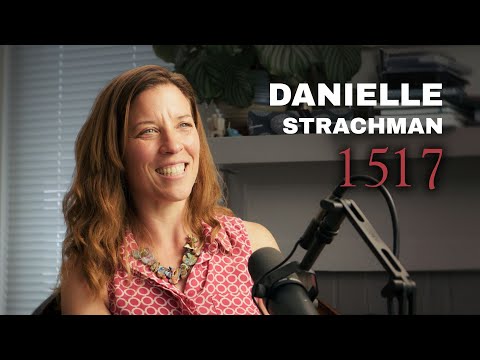
“We’ve had founders from fund one, which is 10 years old now, who have been the most armored cockroaches out there. Nuclear blast after nuclear blast and they’re still going.” — Danielle Strachman, 0:00
Clip command
yt-dlp --download-sections "*0:00-0:30" "https://www.youtube.com/watch?v=l7jIc-9N1ck" --force-keyframes-at-cuts --merge-output-format mp4 -o "armored-cockroaches.mp4"”Getting Pitched in a Frat House”
“We’d go to these events and young people would pitch us their projects. One time we were literally getting pitched in a frat house. And some of those turned into the best investments.” — Danielle Strachman, 5:38
Clip command
yt-dlp --download-sections "*5:38-6:30" "https://www.youtube.com/watch?v=l7jIc-9N1ck" --force-keyframes-at-cuts --merge-output-format mp4 -o "frat-house-pitch.mp4"”Hyper Realistic Stuffed Animals”
“One of our earliest investments was in this young person making hyper-realistic stuffed animals. Everyone thought we were crazy, but the kid was just incredibly talented at making things.” — Danielle Strachman, 11:52
Clip command
yt-dlp --download-sections "*11:52-13:00" "https://www.youtube.com/watch?v=l7jIc-9N1ck" --force-keyframes-at-cuts --merge-output-format mp4 -o "stuffed-animals.mp4"”Just Keep Making”
“Just keep making. That’s the advice. Don’t stop making things. The best founders are the ones who never stopped building, even when nobody was watching.” — Danielle Strachman, 44:58
Clip command
yt-dlp --download-sections "*44:58-46:00" "https://www.youtube.com/watch?v=l7jIc-9N1ck" --force-keyframes-at-cuts --merge-output-format mp4 -o "just-keep-making.mp4"Key Points
- Medici Grants (0:39) - $1,000 grants to young people with interesting projects; a talent discovery mechanism
- Getting pitched in frat houses (5:38) - Meeting young founders in unconventional settings
- Hyper realistic stuffed animals (11:52) - Early investment that taught them to bet on prolific makers
- Finding high-potential young people (17:30) - Looking for people who are “just making stuff”
- Montessori philosophy (19:53) - Self-directed learning as foundation for entrepreneurship
- Unschooling (22:04) - Radical education philosophy that aligns with 1517’s worldview
- Role of an early believer (25:34) - How having someone who believes in you early changes trajectories
- Preventing head-smashing (28:20) - Trying to help founders avoid unnecessary pain
- How 1517 works with founders (31:31) - Their hands-on, supportive approach
- Chewing the glass (37:23) - The hard parts of building companies
- Just keep making (44:58) - Core philosophy of never stopping building
- Resetting the bar (53:31) - Constantly raising expectations
- $10B thought experiment (57:47) - What Danielle would do with unlimited capital
- Being prolific (1:02:11) - The importance of high output
- Finding your tribe (1:06:53) - Why community matters for young founders
- Founding Innovations Academy (1:08:07) - Danielle’s school built on project-based learning
Mentions
Companies
- 1517 Fund (0:31) - VC fund backing young founders and dropouts
- Thiel Fellowship (0:39) - Peter Thiel’s program paying people to skip college
- Innovations Academy (1:08:07) - School Danielle founded based on project-based learning
People
- Danielle Strachman (0:31) - Co-founder and GP of 1517 Fund
- Peter Thiel (0:39) - Founded the Thiel Fellowship
- Michael Gibson (0:39) - Co-founder of 1517 Fund
Surprising Quotes
“We’ve had founders from fund one who have been the most armored cockroaches out there. Nuclear blast after nuclear blast and they’re still going.” — Danielle Strachman, 0:00
“One time we were getting pitched in a frat house. And some of those turned into the best investments.” — Danielle Strachman, 5:38
“Just keep making. The best founders are the ones who never stopped building, even when nobody was watching.” — Danielle Strachman, 44:58
Transcript
Danielle Strachman: 0:00 We’ve had founders who are from fund one, which is 10 years old now, who have been the most armored cockroaches out there. Nuclear blast after nuclear blast. Just keeps taking it. COVID nearly shut the company down, market downturn nearly shuts the company down. This founder actually just recently got a $2 million contract. Part of me is like, ‘Wow, that’s amazing to see that over all this time and now it’s starting to turn the corner.’ Do I think it was worth all the pain and suffering of like seven of those nine years? Probably not.
Ti Morse: 0:31 This is Danielle Strachman, and she is one of the co-founders and general partners at 1517 Fund. Um, let’s just start off with the, like, idea behind the Medici grants and, like—
Danielle Strachman: 0:43 Oh, sure.
Ti Morse: 0:44 How young can you kind of get people interested in building interesting projects?
Danielle Strachman: 0:52 Oh, wow. I mean, I think young people are often very interested in building projects and especially if you look at little kids, they’re always interested in building and making. So, I think a lot of what we do is more about trying to get to the essence of how humans naturally are before all these systems get layered on top of that and stop them from doing the things that they would naturally do. But to go back to the Medici project, I think one of our thesis areas is essentially, and we saw this all the way back at the Thiel Foundation days when I was working on the Thiel Fellowship, that young people are used to getting money as an award for, like, a prize of something they made. But they’re not used to getting money to say, ‘Hey, you have potential and we think you could do something,’ which also means that if you’re winning awards, you already had to have the resources to do the things you’re doing. Um, and there’s so much talent out there. And if you just give them resources, mentorship, permission to build, you get very surprised by what people do. Now, one of the learnings at the Thiel Foundation that we had over the first five years that myself and my colleague Michael were there was that we kind of started getting this itch to scratch of, well, maybe people don’t need $100,000 to get started, maybe a smaller amount actually helps them move forward as well. So we had one of our Thiel summits the last year that we were there and we had a session where teens could come and talk to us about an idea, you know, we didn’t call it a pitch session or anything like that, we didn’t want the pressure, but hey, come talk to us about an idea that you have and, you know, for 10 of these teens we’ll give them $1,000 to get started on something.
Ti Morse: 2:00 And how many kids came that initial year?
Danielle Strachman: 2:04 Oh gosh, that event, um, that was probably one of our last Thiel summits and it was probably around like 350, 400 young people.
Ti Morse: 2:10 So it’s like a what is that? 0.5% rate or not 0.5% but like 2% rate maybe?
Danielle Strachman: 2:16 It’s a small rate, but also not all the people at the event were wanting, you know, 1,000 bucks for something. Um, but we had a bunch of young people who came up and talked to us about what they were thinking about working on. and um we had one young man Max Lauk who is an entrepreneur who started a freight forwarding company but let me go backwards for a second when he was in high school he started an ice cream company and he’s a total ice cream geek I remember once I was asking him about some brand of ice cream and he corrected me he said Danielle that’s not ice cream that’s frozen dessert that’s different because the ratio of cream to air is not proper for ice cream and I was like okay
Ti Morse: 3:26 Do you remember the brand?
Danielle Strachman: 3:27 I don’t, I don’t remember. Um but um what he had figured out with his ice cream company was that actually getting like cup cones and wrappers out there was really hard and doing the shipping was tough and he was in a public high school trying to like you know call manufacturing facilities in China and do all this stuff so he ended up starting his own freight forwarder but he had no money to start it and he came to this event that we had and we gave him a thousand bucks to get started on this he actually then went to TechCrunch Disrupt he didn’t win the startup Battlefield but he came in really close and there was an investor in the audience who noticed him uh and then decided to put a little bit of money in so this is before we started 1517 and it was interesting we ended up starting 1517 shortly thereafter but one of the learnings was wow like we gave this young man a thousand dollars and he was able to actually kickstart himself to go even further than he had before and so it’s this idea that like a small amount of money it’s really this belief capital that kind and we used to call it we didn’t call it the Medici Project until maybe five years ago something like that we used to call it a nudge grant it’s like this is just to nudge somebody like off the side
Ti Morse: 4:46 Why’d you decide to switch it?
Danielle Strachman: 4:49 Um I’m trying to remember why we did I mean we just called it our grant like we didn’t advertise it it was it was very much a surprise attack I’d be talking to someone like this they’d be telling me about something they wanted to build and I’d be like oh what would you do with a thousand dollars and and they didn’t know anything about our grant and we weren’t telling people about our grant they’d tell me something and I’d say hey I’m going to give you a thousand bucks what’s your Venmo they were like what is happening right now um we’ve had people laugh we’ve had people cry um just being amazed and after a while we thought hmm maybe we should name this something so about five years in we decided to call it the Medici Project but um it’s been interesting because we’ve had a number of successful companies started as uh Medici grantees with us and the grant is really to start a project it’s not to start a company it just so happens that these projects ended up turning into companies so one of them uh is a company called Deepgram that’s a Series C company now uh this young man Noah wanted to work on an algorithm this was almost 10 years ago uh he was at University of Michigan he told us about what he wanted to build in a frat house in a room with a pair of pants in it and like as sort of a def- lunch library, it was very strange.
Ti Morse: 6:01 When you would walk into this space, like what is the first thought in your mind?
Danielle Strachman: 6:04 Well, we, okay so first off, we actually, you’re going to love this. So this is the Shift House, what the old Shift House in Michigan. Shift is a creator community and they have sort of a frat house where they do things. And when we started 15-17, we really had no money to do what we were doing, even when we raised the fund, you know, a $20 million fund, you don’t have like big management fees to be flying all over the world and staying in hotels and doing large events and all kinds of stuff. And I’m really like, I’m a cheap person. I’m a really cheap person, especially when it comes to—I’d like to say frugal, but in this regard, I’m actually cheap.
Ti Morse: 6:46 What’s the difference in your mind between cheap and frugal?
Danielle Strachman: 6:50 So we’ve come to a distinction on our team about this. Like frugal is thoughtful. Cheap can sometimes be dumb. So for example, recently I went to a conference and I was being cheap and I decided to get this hotel and it turned out to be in a pretty dangerous neighborhood in LA. This was like a few months ago. So I did not need to do this. I didn’t need to save these pennies for 15-17, but it’s just built into my nature. That was dumb to the point where literally in the middle of the night I would wake up and like hear some form of like party or something happening in the parking lot.
Ti Morse: 7:21 Some form of violence?
Danielle Strachman: 7:22 No violence. But I was like, you know what, I think I’m going to go to a different hotel tomorrow. Let’s not do this. But back in the old days of 15-17, you know, there were, there were lots of good reasons to be cheap. Although after a while Michael was like, listen, I’m, I’m booking the hotels we stay at from now on. So anyway, to make a long story or segue short—
Ti Morse: 7:46 Make an executive decision.
Danielle Strachman: 7:48 Yeah, no, he, he picks nicer places than I do and I’m like, how much does this place cost? But you know, we’ve worked it out on our team. But at the time, I had actually finished reading this book called The Art of Asking by Amanda Palmer who is an entertainer and performer. And she does a lot of things where she’s built a lot of community with her fans. And so she’ll ask fans like, hey, I need a place to stay in this city or town, does someone want to give me a couch? And I was like, hmm, I wonder if we can do this. And so I remember reaching out to the, some of the people at Shift and I was like, hey, me and Michael are coming to town and can we stay at the house? I just like, I just asked. And they said yes, sure. And it was hilarious because they had a huge party this one night that we were in house and one of the—this is when MHacks, you know, was one of like the only hackathons out there. They were getting started, Dave Fontenot was like spearheading MHacks at the time. I’ve known Dave since he was 18, maybe even younger. And so we went out for that. But we get this text from one of— the… uh… one of the shift creators and they said, ‘Hey, if it gets too loud tonight, let me know.’ And they actually, they gave us… I got this like attic room that was really cool and Michael stayed in this young man, I think his name’s Tom, and his room in his bed. Tom uses a deaf person’s alarm clock that shakes the bed in the morning because he’s so bad at getting up. So Michael the first morning apparently was shaken out of bed.
Ti Morse: 9:27 Startled him a little bit.
Danielle Strachman: 9:29 And startled. The second night, they have this total rager. It was an insane party. And I’m up in this like attic bedroom. Michael is texting me, ‘Hey, the bathroom downstairs flooded or broke, and so all the young people for this party are coming through my room because it’s the only other bathroom.’ And I can’t sleep and I start laughing and I was like, ‘Oh my god, I gotta go downstairs.’ So I have like pajamas on, I go downstairs. I’m also cognizant of people know me as the director of the Thiel Fellowship, some of these are hackers and makers that I’ve come across many times before. They’re having a huge party at this house that goes late into the night. Um, I run into Dave actually, and I’m like kind of almost trying not even to make eye contact because I’m like, ‘Oh my god, I want… I don’t want Dave to feel like he has to be on in a certain way right now. What’s going on?’ I talk to Michael. He’s like, ‘This is ridiculous.’ Like these… I was sitting in his room talking to him when these two girls walked in, used the bathroom, whispered to each other afterwards, ‘Hey, like don’t flush, we’ll wake him up!’
Ti Morse: 10:50 Just loud enough to hear.
Danielle Strachman: 10:52 And it was one of the most hilarious 15-17 moments of staying there. And then that morning, this guy Noah Shetty, um, talked to us about this algorithm that he wanted to build, and this is in this room with a pair of pants that were clearly left there after this frat party and a belt. Um, and so for us it was just like, ‘Oh yeah, of course we’re taking this… this meeting here in this room because we’ve stayed at this frat house for two days, hung out here with everybody.’ It was so wonderful. Um, people were so generous with us. And… and yeah, that’s how we met one of our grantees. And so like this is some of the way that we do things at 15-17 is by being very real with people. Uh, sometimes asking for ridiculous things and sometimes people say yes. Another one of our grantees is Ethan from Mach Industries. Uh, we offered Ethan a grant when he was in high school to work on a novel rifle, and that kind of matriculated, if you will, into what has become Mach Industries today, and we were the first check into that company. But it’s interesting because with our grants, like again, it’s about a project and giving a young person a resource. So I have a… There’s a young lady that I’ve been mentoring right now and she wrote in and it sounds ridiculous when I say it, but she wrote in and said, “Hey, I saw your grant.” She’s 16. “I make hyper-realistic stuffed animals and I’d love to talk about this.” And I was like, “Well, this is unique.” And this is something we look for at 1517 overall, whether our founders or grantees or really anyone in our community is like very unique stuff. And I thought to myself, and this was just a couple months ago, that, “Well, I have not been pitched in any form on hyper-realistic stuffed animals. I have to take a call with her. I have to find out more.” So I get on a call with her and her first words were, “I don’t know how to do this. I’ve never been on a call like this.” And I was like, “Okay.” So I said, “Let’s start with your name, where you live…”
Ti Morse: 12:51 When that kind of thing happens, like does the authenticity of someone being like that kind of just disarm you? Like how many people have gotten on a call and said, “I don’t know what the hell I’m doing”?
Danielle Strachman: 13:00 Oh, a good—like in that particular way, it was so sweet, yeah, because she was so genuine and so honest. There are plenty of people who get on calls with me and tell me that they’re nervous. So I typically will pick up one of my animals and be like, “Look, I love my cats and dogs. I’m just a person. Now we can have our conversation because now I’m just a person to you and not like a—”
Ti Morse: 13:21 Some like mythical figure.
Danielle Strachman: 13:23 Some like mythical figurehead of something, yeah, exactly. But, um, but yeah, this young woman gets on a call with me. I’m sort of guiding her through how to do this call and I ask her, I was like, “Well, have you started working on this?” And “Oh yes, no, absolutely.” And from, you know, she’s got her laptop where we’re having this Zoom call and she picks up something and she brings it in front of the computer and it is this hyper-realistic leopard head. And it’s really well done. Like there’s particular types of stitching that you can do so that each side is pulled accurately. And she’s talking about how she’s doing it and I was like, “Wait a second. How many of these heads have you made?” She’s like, “This is my twentieth one.” And I was like, “Oh my God, she’s an engineer. She just happens to be doing it in crafting.” And I’ve been mentoring her for a few months now and every time I talk to her, I’m completely blown away because she’s talking about making like—she she makes her own essentially like architectural plans that she then pulls into materials and sewing and the craft. Um, and then it was so interesting. I was talking to her recently and also talking to her mom and they’re trying to figure out like, “Okay, where are these skill sets going to go?” And I was saying, “Yeah, she is an engineer. She happens to be putting it into this like very interesting area.” Um, and then actually the young lady brought up, she’s like, “Yeah, I’ve been thinking about actually like bioprinting. I’ve never really gotten to talk to anybody about it and I’m really curious about it.” And I was like, “I have people you can talk to in this area.” And so I’m going to make those connections happen. But those kind of stories of like— Young people have a really unique passion who need some resources to move something forward, that’s where I get really, really interested. Sometimes those things end up turning into startups and we work with people more and give them more resources. Sometimes it stays as a project and that’s totally fine. And we want the Medici project to really be a learning opportunity of like, hey, this is a chance to learn something and we get to learn alongside you in that area. So it’s really special, it’s really, really special when we get to offer it to people who don’t even know that we have the Medici project.
Ti Morse: 15:35 Because there’s that genuineness.
Danielle Strachman: 15:36 It’s this magical moment.
Ti Morse: 15:37 It’s this magical moment.
Danielle Strachman: 15:38 Of like, cool, I’m gonna tap you on the shoulder and give you this like neat thing, and so we love doing it.
Ti Morse: 15:44 In my experience, a lot of these especially like this starting journey of most companies and this like especially if you’re doing something that’s outside of the norms, it’s just a whole lot of nos. Yeah. And if you talk with someone and they just like kind of believe in you, it’s a very surprising and like it kind of throws you off. You’re like, well wait a second, it just worked. What do I do now? Like I don’t know, I’ve been rejected so many times, what the hell happens now?
Danielle Strachman: 16:05 I even wonder what happened in people’s minds if it’s sort of this moment of like, I’m not crazy.
Ti Morse: 16:08 Yeah.
Danielle Strachman: 16:10 Like someone else thinks I’m right on about something and you know, I think we’re social beings and getting that nudge from someone of like, hey, try this out, give it a go, like yes, sounds crazy awesome, not just crazy, like let’s do it, is really important. And I think that we would see people building and creating things at younger ages if we offered them that encouragement and even encouragement to be eccentric in their interest and to go really deep. I’ll never forget this one tweet over the pandemic, this big sister tweeted something like, ‘My little brother is so bored that he’s just playing guitar all day.’ And I thought, that’s not boredom, that’s motivation. Like that’s what we need to be looking for in people is when no one’s watching, when you don’t have to do something else, what are you doing? Like what are you doing just for fun and where do those interests lead you in the future? And we need to encourage it and not just think of it as like, oh well that’s not academic, it’s not going to be for a job, it’s not going to be for school, it’s not for a credit, it’s not for LinkedIn.
Ti Morse: 17:30 My thinking is, you know, you’re catching most of these people, especially like 10 years ago, you’re catching most of these people when they’re 17, 16, 18, whatever. But ideally I’d imagine that you’d want to catch them pretty much as early as possible so they don’t like learn the wrong lessons in the first place and have to unlearn them and they can just learn the right lessons from the get-go. And so how do you kind of like design something where you’re kind of finding that random individual in the middle of nowhere, maybe even when they’re… 0.6. at some crazy young age.
Danielle Strachman: 18:01 Yeah. No, it’s true. It’s true. So I am mentoring an 11-year-old right now. Um, he came to me as a 10-year-old and he came through so we our community, um, there it’s like tendrils. It’s like people know when they’ve spotted a 15-17er out there in the wild and they’ll often come tell us, hey, I met this young person they’re totally incredible you have to talk to them and that’s what happened. One of our um I’m pretty sure it was a grantee of ours came to us and said, I met this young man you have to talk to him. He’s 10. And I was like okay yeah sounds great no problem. And I used to be an educator, I started a charter school based on homeschooling principles, I worked with homeschoolers for a long time, so working with children is a big passion of mine. And I got introduced to this young man and he’s really interested in chip design, we have a company that works in chip design, they’re both in Toronto, so I set up like a field trip day for him where he went and he got to go geek out with this founding team of people. Um, he is actually working on a robotic mouse now and so he’s become a grantee with us and it’s adorable. He’s so excited about everything he does that he literally bounces when he talks. He’s a little boy, you know? And he has that little boy energy and I’ve been telling him, I’m like his name is Ian, I’m like Ian never lose that. That bouncy, that like excited energy that you have and that passion, like keep that going. And um it’s an- an incredible to see that and so we do think about like those earlier ages, we haven’t built in any programming yet, we do have a camp we call 2e that’s for ages 14 to 18, but I do have parents that write to me, not all the time, but on a somewhat regular basis of hey how do I help develop these things? Um I’ve been really pushing Montessori uh on Twitter lately. Um I think-
Ti Morse: 19:57 Can you actually like talk about like what is Montessori?
Danielle Strachman: 20:00 Yeah, so… so Maria Montessori I think is the most underrated philosopher. Um, you know she’s gotten bucketed into like educational theory, but I really think that she’s a philosopher. She has the most… um deep gravitas for the human condition of anyone that I’ve read and when I first read one of her books ‘The Absorbent Mind’ almost 25 years ago, it just changed my whole view about how you might like treat a young person with reverence and respect and…
Ti Morse: 20:37 And responsibility. Word.
Danielle Strachman: 20:39 And responsibility and treating them like someone who has agency and someone who can contribute. Um and so I think that top layer is actually the most important. I think a lot of people think like ‘oh Montessori is about that there’s maybe some different choices in the classroom and children can pick and choose’ and like all of that is wonderful and true, but if you don’t… don’t have the like non-coercion and the respect piece and treating that child with reverence and in awe, you’re not really doing Montessori at that point. Um, and there’s that responsibility piece of, you know, bringing them into the fold of hey, what are we doing here in this environment and how do we treat this environment? And giving them access to resources that are literally at their level so that they can go get them and they don’t always have to ask a teacher for something or even things like, okay, we put the water container low so they can just go get water and don’t have to ask anybody for something. So it’s like building in, um, I wouldn’t even say building in agency, I think it’s just retaining the agency that humans already have instead of again putting a system on top that takes away agency. So I think what Montessori noticed was the natural human condition and she was really good at figuring out like how do we keep harnessing that instead of how do we make everybody kind of line up and be the same.
Ti Morse: 22:05 Right now you can’t necessarily change the entire track for young people, but I’d imagine like what, what would something like that look like with the optimal childhood for someone going from zero to 18 to nurture the things that you care about?
Danielle Strachman: 22:18 Sure, sure. So I think at heart I’m personally like an unschooler type. Um, and unschoolers typically are really child-led in how they do things. So they’re thinking about, um, not just what is good for the family, but what is good for each individual child. And, um, you know, my own godchildren are an interesting example of this. They live next door to me, so I get to be with them and interact a lot. And you know, any multi-child household will tell you, like those parents will tell you, each child is completely different than the next one. And so what works for one child is not going to be the thing that works for the second or the third or the fourth. Um, and so what I’m not saying is that, you know, oh, every single five-year-old should start at Montessori and it’s the one thing, ‘cause it might not work for the third kid in the family. Um, you have to kind of figure out. You know, when I think about my godchildren, the oldest likes structure and, and, like thrives in it. So she’s in a program that has more of that. The middle child is more of like a nature outdoor school type of kid, and so she does something like that. Um, and you know, they’re making some decisions for the current four-year-old, you know, who’ll be, you know, enrolling in some form of school later. What my friends have told, uh, all the kids at this point, um, and it’s funny, I keep saying kids and I have this funny thing about the word kids. When it’s your own kids or your friends’ kids, I think that word is fine when we’re talking about young people in like a more like, uh, professional capacity I use the term young people like I would never call the people I work with kids or even the teens who come to our camp I don’t call them kids but I call my godkids and my godkids I don’t have grandkids I call my godkids kids because they’re like part of my family
Ti Morse: 24:13 You have like a different relationship with them
Danielle Strachman: 24:15 It’s a different relationship I think that like young people think of like a different type of respect
Ti Morse: 24:18 Exactly
Danielle Strachman: 24:20 But it’s a little bit like calling someone dad
Ti Morse: 24:21 Exactly
Danielle Strachman: 24:22 I don’t need to give like hierarchy to the people that I work with and I don’t and I don’t think it’s hierarchy when I’m talking about my godkids it’s that relational thing there but they’ve told the oldest that she can start homeschooling potentially like in a year or so when she’s 10 and she’s super excited about it you know she’s like okay cool like
Ti Morse: 24:44 And at first they were thinking maybe 12
Danielle Strachman: 24:46 but actually like you know they’re just sort of watching like what her needs are and where she might thrive and thinking about okay well maybe yeah maybe 10 is the right time so I think it’s about each family figuring out what the right fit is for their family and the children and going from there Um so though I’m a big proponent of things like Montessori programs and there’s Montessori charter schools out there too um it does I’m not into one size fits all for really anybody
Ti Morse: 25:12 Yeah I’ve heard the saying that like bad boards can kill companies
Danielle Strachman: 25:15 Oh yeah
Ti Morse: 25:16 and I think that probably has a similar impact on like bad advisors or bad people that are giving young people advice uh can really hurt people but it can also extremely help people it can put you forward but put you backward what what do you think the role of like the early believer is and what isn’t it
Danielle Strachman: 25:31 Oh that’s so interesting Um I mean the early believer can look many different ways right like that early believer can be someone who’s encouraging it could be a mentor who shows you the ropes in some thing it could be a funder yeah kind of like help that person figure out their path and like hey where do you want to go with this project what’s next on it um who are other people resources that I can bring to the table for you and like expand your thinking here or like maybe it’s not even expanding the thinking but hey this person can jam on you with this idea like I think those types of things are really really powerful early um you know the the type of mentorship that’s like I’m older than you I know how to do this you should do it the way I say it I think is not great
Ti Morse: 26:22 Mhmm
Danielle Strachman: 26:23 Um I’m much more into like the Socratic dialogue and um going through an experience with somebody instead of saying well hey I have I have the experience the way you get experience is by doing things the way that experienced people tell you to um And then from there at some point, you know, there’s sort of this notion that sometimes certain mentors, but also I think a lot of systems tell us to wait, like oh you have to wait until you’ve done this certain amount of tutelage before you can do it on your own. And I think sort of anyone with that kind of a like attitude is not a great I don’t think that person’s really a believer. I think that person may be more in it for the kudos for themselves of like oh look at me I’m mentoring or something like that. But someone who can take a back seat to the mentee and help them explore something and get further, I mean that’s a that’s a great mentor.
Ti Morse: 27:45 I think I think like as humans we have this natural desire to give advice even if the advice that we’re giving is bad and we don’t know that it’s bad. Typically most people don’t give advice that they know is bad although sometimes they do.
Danielle Strachman: 28:03 And the advice we’re giving is often like a self-projection of well this is what I would have needed so I’m going to say this and I’m always careful when working with founders or mentees or anything. I’ll tell them what hat I’m wearing. I’m wearing my investor hat right now. I’m wearing my Danielle hat right now. I’m you know I don’t know wearing my educator hat right now. I’m like here’s where some of these perspectives are coming from and we always tell people that we work with you’re the captain of your ship. We’re kind of the navigator where we’re looking ahead and we’re trying to tell you some things that we see but at the end of the day you’re the captain. Like you make the choice and you make the decision. It’s hard over time though because sometimes you see certain things where you’re like please for the love of God don’t do that thing. I’ve seen a million people crash like into the rocks and oh I had that moment today actually. We do something on Fridays called coffee and troubleshooting with our founders where just totally optional people can jump on a call. It’s with our staff and also with with founders to talk about you know what people are working on since if they haven’t you know cross-pollinated since we have so many teams who we work with and then and then it’s a win and or a troubleshooting. And today someone was asking about crowdfunding and I I should probably write her an email later and be like alright alright I was a little aggressive earlier but she’s like yeah what about a crowdfunding campaign? And I was like no! No! Like you’re going to over-promise and under-deliver. This is what happens with everybody. You’re going to have a angry mob of people at you and
Ti Morse: 29:29 Everyone gets so mad.
Danielle Strachman: 29:30 like the only time you should do a crowdfunding campaign is when you have your product, you’ve like got your manufacturing down and you’re using it as basically an advertisement. Like that’s like the only time this works. Usually I’m like a bit softer with my feedback but this time I was like no! The rocks! They’re right there! You’re gonna crash! It’s gonna happen! And I think part of it is because we had a founder a few years ago, who else was like, oh yeah, I’m going to do a crowdfunding campaign and we were like, no, like danger, danger, rocks ahead. And the founder insisted on doing it and, you know, they’re the captain of the ship and, uh, we were like, okay, have fun storming the castle. Sure enough, smashing into the rocks.
Ti Morse: 30:18 Smashing into the rocks.
Danielle Strachman: 30:19 Smashing into the rocks three years later, still waiting for the product to come out, people are overboard. I mean, it’s happening, the product is coming out, but it is not the timeline that was originally set. And so I feel like I had like maybe like a knee-jerk response when another founder today brought up crowdfunding because I’m like, oh my god, save yourself!
Ti Morse: 30:44 Reasonably you might, you know, you’ve seen someone smash their head into a wall for three years and then the guy, you know, pops on the call and says, I have an idea. You’re like, actually, we’ve seen this before.
Danielle Strachman: 30:58 Right, right, we’ve seen this before. We’ve seen people not listen and it’s really painful. She’s in the hospital, like, we don’t want that to happen again if we can avoid all the next Friday calls.
Ti Morse: 31:10 Right. Yes.
Danielle Strachman: 31:11 Exactly. Well, and that’s one reason why we love getting our founders on these calls to brainstorm with each other too is because, you know, people who are a couple years ahead of you, you can kind of help, you know, they, you can learn from them of like, okay, because they’re in the same market. It’s like, okay…
Ti Morse: 31:26 Also trust them in a different way than the investor saying, do this thing.
Danielle Strachman: 31:28 Absolutely. Right, right. Absolutely. Absolutely.
Ti Morse: 31:31 I’d be curious, so what has been, you know, you give all, you give this advice, you’re kind of like ideally trying to improve someone’s kind of outcomes and also kind of improve their direction and trajectory and all those things. Has there been any particularly memorable moments where you told someone to do something and it really worked? And it was meaning like massively impactful on their trajectory? And has there also been any moments where you told someone to do something or recommended things and it just absolutely went to shit?
Danielle Strachman: 31:58 Sure. Gosh, um, you know, it’s interesting, a lot of the way that we work at 1517 is really through Socratic dialogue, so it’s more like we’re doing a review with the founder. Hey, what do you think the next three months are going to look like? Where do you think those rocks are going to be ahead? Um, what are the conversations that you should be having with your team that you’re not, that you know you’re delaying pain on? Like those types of questions. Um, it’s less of the, hey, have you thought of this thing, you should do, like we, we bring those things up, um, but I think it’s more pulling out of the founder like where they think something should go. Um, and that dialogue, that style of dialogue tends to be really helpful because it’s like we’re becoming a brainstorming partner, someone who’s saying like, okay, hold on, like you can take your head out of the weeds for at least 45 minutes to an hour and we can like talk about high level how things are going. going. Um, a lot of times people know that like our expertise are probably more on like almost like the leadership development side of it and then we’re referring them out to founders whether in the portfolio or people we know who might have the technical expertise. Um, so there’s lots of different ways where I think this like style is is working and actually I think one part of the style is just that it’s proactive.
Ti Morse: 33:23 So with the founders what we do is we set up we do an onboarding call first of all and um the onboarding call I think is really powerful because what we’re telling people is uh the big takeaway the onboarding call is like holy moly congrats like we get to work with you, you get to work with us, this is a big moment, it’s like rare that this relationship gets to happen, hooray. And this moment gets to happen because we’re delusional. As investors we have to believe that every founder we’re backing could be a portfolio multiplying company. Um and uh you know when our fourth you know our fourth fund um is going to be 100 million in total our last one was 80 million our intention is to 4x every fund we have, we have 4x’d our first fund uh actually four and a half um and that’s a huge moment to say like we believe in you that you have the ability to potentially get there. Now that’s the hurrah. Now there’s another the next slide which is sort of the doom and gloom slide and it’s like and while we believe this in our hearts and our souls to be true we know the most realistic outcome of any one investment we make is that it completely goes to zero. And this is super philosophically grounding because we’re never going to come knocking on the door and ask for that initial check back, that 100k, that 500k, that million dollar check, we’re not going to be like oh hey by the way um where is it like we need it now or oh your company’s going under what what return is going to happen? No, we don’t make money off of companies returning a small amount of capital when things aren’t going well, we make money when people have extraordinary outcomes. And so what we tell founders in that call is that you got to swing for the fences and we want them to try as hard as they can at what they’re doing and we would much prefer for them to flame out really really early and give it their best shot and then move on to something else than like peter out over time especially because the people we work with are so young for me it would keep me up at night if I thought someone was spending time on something that they shouldn’t be doing especially early in their career because we know success begets success. Have you had people like that where you were interacting with them? What was that like?
Danielle Strachman: 35:48 Yeah, yeah. Um we’ve had founders who who are from fund one which is ten years old now who have been the most armored cockroaches out there who are like you know I have this one founder…
Ti Morse: 36:00 fending nuclear blast after nuclear blast. I mean, he just keeps taking it. You know, COVID nearly shut the company down, market downturn nearly shuts the company down. Um, this founder actually just recently got a $2 million contract and part of me is like, wow, that’s amazing to see that over all this time and now it’s starting to turn the corner uh because some pivots that have happened and I’m keeping it sort of vague because you know I don’t want to totally reveal on this one. Um, do I think it was worth all the pain and suffering of like seven of those nine years? Probably not. Uh, and I told this founder many times, I was like listen, it’s okay if you want to just like close this out and wrap this up like no harm no foul, put it on the shelf, come back to it later. Like, you know, you’re early in your adulthood and there’s so many things you could do and every time I would have this conversation with him he would come back and be like, ‘I’m on a mission from God, this is what I’m doing.’ and I was like ‘Oh!’
Danielle Strachman: 37:06 Yeah, that’s really hard to argue with.
Ti Morse: 37:08 But, oh, like, it’s still so hard to argue with him. I’m like, can’t like God call you later for this? Like, I don’t know.
Danielle Strachman: 37:14 After your nine, should you be questioning the pain?
Ti Morse: 37:16 Right, no, absolutely. Absolutely. And I think that part of being a great founder is you kind of just enjoy chewing the glass, especially after people tell you that you’re doing the wrong thing. Well, and Stephen from Lambda Labs, for example, he gave a great talk at our 1517 summit we had last year and he got up in front of this group of a few hundred young people and he had sort of ad-libbed his whole talk. It was awesome. And his whole talk was just ‘don’t close the C-Corp.’ He’s like ‘I’ve had my C-corp for 12 years and I want to keep everybody happy that I’ve ever worked with in my life so I kept this open and I’ve pivoted and pivoted and pivoted.’ When we invested in Lambda Labs they were a photo sharing app and at first they looked like they were doing really well and then they plateaued and they couldn’t figure out how to get out of it and it was only through sort of a Hail Mary moment where they looked around their apartment that they were in and said, ‘Hmm, we have the second deep learning workstation. Maybe we could sell that. Like maybe that’s the business of this company.’ They put up a dummy landing page. They sold their first computer over Amazon in one day to a guy in Cupertino and they were in Palo Alto. They put the computer in their car, drove it to this guy’s house, sold it to him for $10,000 and they were like, ‘Oh, maybe this is our company.’ And then that turned into like what has become Lambda Labs of today. Um, but his big lesson was just don’t shut down the C-corp and I thought that’s interesting. I don’t necessarily fully agree with that advice, but I thought it was interesting that he was just like you just keep going, you’re gonna-
Danielle Strachman: 39:00 to figure it out and and yeah, one foot in front of the other.
Ti Morse: 39:04 That sounds a lot like Tony Xu and like the DoorDash story where they just throw up the landing page, they’re like, I wonder if we can, you know, allow people to order online or whatever. They throw up the landing page, which was just like a list of the restaurants, I believe that were nearby or something that you could deliver from. And it was just the menus. And so someone would call the number on the website and then say, this is what I want. And one of the, you know, I think five co-founders would leave their Stanford class, go to the restaurant, order the food, bring it to the place and then like, I think it was like cash.
Danielle Strachman: 39:29 That’s hilarious. I didn’t know this.
Ti Morse: 39:32 And that was DoorDash. I think that’s what they got into YC with.
Danielle Strachman: 39:35 God, that’s wild.
Ti Morse: 39:37 Which is crazy. Yeah. Um, every morning I’m thinking to myself, like, what’s the critical path today? And then I just keep on asking myself throughout the day, like, what am I on that right now? And like, what is the question that you find yourself asking yourself the most? And then also in the sense of the founders that you’re talking to, what is the question that you most often are just nailing on?
Danielle Strachman: 40:03 Sure. Um, this might sound funny, but I think one of the things… there’s sort of this like funny thing about investing where you’re learning a lot over time, but there’s always this question about if those learnings matter. Um, so when we started 1517, we were super beginners mind, we had never worked another venture fund, we had no idea what we were doing, and um, we’ve made extraordinary returns for our investors. And over time, we’ve learned a lot, we’ve seen lots of industries, and so sometimes we end up getting in these debates on the team about market sizing or how hard an industry is, and we’re like, is that what we should be talking about right now? Is that the right question? So the question that I kind of like lean back on is I think to myself when I’m talking with people, like, would I have wanted to meet this person in the Thiel Fellowship finalist round years ago? Like does this person match that kind of irrational, passionate, um, totally geeky, mutant level vibe? Like is that there? Um, and that gets me really excited. That’s why I’m excited to talk to this young lady about her stuffed animals because as weird as that might sound, it’s like she’s got that insatiable…
Ti Morse: 41:30 No one in her life is talking about stuffed animal heads.
Danielle Strachman: 41:32 No. No, no.
Ti Morse: 41:35 Exactly!
Danielle Strachman: 41:36 She’s an army of one, yeah, she’s an army of one, high conviction.
Ti Morse: 41:41 She’s probably fighting most of the people that she talks with.
Danielle Strachman: 41:46 I don’t know, maybe. Um, but that’s one of the things that comes up in my mind is like is there that that just incredible passion present for this person? And then, you know, there’s always the question of sometimes I think about what we do at 1517 a little bit like the Harry Potter sorting hat where it’s like, hey, is this person in our community? Is this person a grantee with us? Is this person someone we invest in and if so at what level? Because we’ve had a lot of people, you know, that have started with us on the community and the grant side and then become founders with us. And I think one thing that we’re really good at at 1517 is watching for progress and development over time, whereas I think a lot of funds when they meet someone they might box something into ‘oh this is too early for us’, but then somehow they box it into ‘too early forever’. And I’ve seen this a lot when I’ve tried to refer founders. And in fact at this point, I think for pre-seed and maybe seed investors relationship building works, but I think at the series A plus level people want you to have the metrics, they want to feel that like ‘wow holy moly now is the moment strike when the iron is hot’. If you meet them too early and you don’t have the metrics they’re looking for, what’s crazy to me is I’ll email some of those same investors ‘hey met with this founder a year ago, they’ve made great progress, here’s the traction’ and they’re like ‘oh we talked last year, we weren’t interested’. And I’m like ‘wait what?’ But they’ve changed and they have the progress and they have this and somehow people just kind of get boxed into that first meeting. So at this point—
Ti Morse: 43:14 What was that? What was that, like cognitive dissonance or is it where you have this mental image of the idea? It’s like when someone, you know, meets a toddler and then 15 years later they meet the same person, they’re like ‘what the hell?’
Danielle Strachman: 43:25 Right, right, right. No, exactly. I mean it’s funny, I have a— well she passed away years ago, but I have an aunt who told me, she said— everyone in my family calls me Danny— she said ‘Danny’, she was in her 80s at the time, she said ‘here’s the weird thing about aging: you’re aging but your mental model has not caught up, and so you’ll still think to yourself in your mind that’— you know for her it was 35— she was like ‘I’m like in 35’ and she was so funny she’s so cute she’s like ‘I’d walk by a mirror and be like whoa who’s that? because that’s not who I think of myself as’. And so I think we do get trapped in these mental models in with other people too of ‘oh this person’s the person I met last year, they’re not the person of today’. And so now I tell founders, especially for Series A and above, you want to talk to people when you’ve got those metrics, when you’re the big fish in the pond, like that’s it because too often I see people get trapped.
Ti Morse: 44:22 Build as much momentum as possible.
Danielle Strachman: 44:25 Yeah, absolutely. I on the other hand, I love to see the growth and the change over time and I think a lot of that is from my background as an educator. Um, there’s nothing more that I love to see than someone who has like developed themselves. Um, and especially because the people we work with are so young, it’s like, you know, so encouraging to get to talk to Ian who’s 11, uh, and see like okay yeah where I’m so curious where is he going to be at even in two years let alone like four, six, eight, like…
Ti Morse: 45:00 Something’s gonna happen there. I love, I love this line of work. from Sam Altman and he says that basically like startups live or die on momentum and basically the biggest thing that you want to be aiming for is just building momentum. You know, companies that win are winning, stay winning and companies that aren’t winning, you just gotta do whatever scrap, hustle, whatever to get that first win on the board. When you’re meeting with someone that’s just at this project stage, what is that? Is momentum the driver? Is there something else?
Danielle Strachman: 45:06 Yeah, it’s pretty special. Um… No. Um, yeah, momentum on the project stage, like before they’ve gotten any form of investment, before they’re thinking of themselves as a founder…
Ti Morse: 45:33 Before company, but they’re starting to, like the, you know, you take the stuffed animal heads. Like what is the biggest thing that you would want her to just keep on grinding on?
Danielle Strachman: 45:45 I just want keep, her to keep making. I mean, this is what I would want for like, really anyone, like no matter what their age is, is like keep making and building things and honing your craft. Um, there’s something that is so agency-giving about ‘hey, I built this thing’. In fact, we have a list of quotes from our founders that we’ve shared with the campers that we have, that’s like, hey, like, you know, what would you want your teenage self to know? And one of our founders, Bruno from Lumens, they’re a hydrogen storage company, he wrote, and I think I have it right that it was him who said this, like build anything, even if it’s just a bench, because it will give you this confidence, like the completion of a project, and I think that’s actually also what he was getting towards, was the completion of the project, not just starting something, but finishing it, will give you confidence that you can’t get through any other mode. Um, and I think that’s really, really true, and so I’m always encouraging people, whether they’re building a project through the Medici project or if they’re a founder, it’s like, see this through to completion, like even if the completion is like ‘hey, we gotta spin this down,’ you still went all the way through and you gave it all you could. Um, it’s just been an important attribute.
Ti Morse: 46:52 Do you think that you could do something where you almost have like a video game level-up system where you say like at each given point you get like unlock more cash or whatever and then you create some system where it’s like do these different projects or like some subset of projects and choose one? We’re going to give you the first thousand dollars. You go click on it, try to build it.
Danielle Strachman: 47:09 We kind of think of 1517 a little bit in that way. Like we’re not giving people the scaffolded projects of like these are the things we’d like to see. Um, Michael did write in his appendix on Paper Belt on Fire a list of and not just a list, but descriptions of all these areas that he wants to see come to fruition, and actually cloud seeding was one of them. And Augustus read his book and I don’t know if he had already been thinking about cloud seeding, but like Augustus actually credits reading this chapter as like ‘hey, this gave me some of the like, alright, I gotta get going’.
Ti Morse: 47:57 Was this when he was working on TerraSaco?
Danielle Strachman: 47:59 I, you know, I don’t… Now all the timeline on…
Ti Morse: 48:03 Yeah.
Danielle Strachman: 48:04 This was a few years ago and then we were the first check into Rainmaker. So it’s interesting to see that like maybe we should do more of that of like hey these are areas that we think are important to put out there to give people some different ideas of things. But I like to think about 1517 kind of as this scaffolded method of like someone has a project we’ll give them a thousand bucks. Some of those projects have turned into startups and then we’ve said hey maybe like a 100k check is the right way to go here.
Ti Morse: 48:30 Yeah.
Danielle Strachman: 48:31 For example we have this young man Houman from Solco who’s here in San Francisco started as a grantee with us when he was 15 16 years old was really interested in um extraction of rare earth metals at lower energy efficient cost and started like creating and making in his parents’ basement. We ended up giving him $100,000 investment check to say hey you know what you’re coming up across questions you can’t answer without more money let’s give it a go. And so now he has a warehouse facility in San Francisco he’s got a team now um he’s coming out with some really impressive stats on what he’s doing and starting to go into like larger production. So it’s really amazing to see what happens there and then with our teams we’re always thinking about you know we tongue-in-cheek say 1517 that we’re like an ATM machine the password is traction.
Ti Morse: 49:28 Yeah.
Danielle Strachman: 49:29 And so if you do have a startup and we’ve started giving you that belief capital of okay we want you to get through the R&D stage here’s 100k or maybe you have some scrappy prototype and maybe you have a customer and you’re doing like a pre-seed raise of maybe a million maybe two, we want to be the people to back the truck up really really fast. I probably can’t say what this particular founder’s doing but we have a founder from our first Flux cohort this is a sort of a sci-fi program we put together where we knew that some people need an invitation you know to like try something. And most scientists wouldn’t think oh I should go talk to a VC about what I’m doing because the VC world has not been super friendly to early stage science. So we started this program called Flux which is a homage to the movie Back to the Future and what we said is we’ll give 100k investment we don’t have the ability to do 100k grant but we’ll help you get started on something. We have a founder who’s working on something very novel at sort of like a I’ll call it a very deep infrastructure layer for literally everything that we we do today and this founder’s making great progress. We said to this founder hey you’ve been making good progress like we want to put in another million like you’re building the team out a little bit you have these other experiments you want to run. I’ve been wanting to put another… two million into this founder for almost two months. We’re waiting for one more experiment to kind of come through and be done, um, but like we’ve got the money reserved, like it’s like in the bank account ready to go.
Ti Morse: 51:14 just with with the name on it in big ghost written letters.
Danielle Strachman: 51:18 Yeah, I mean we’ve honestly this is a fund three company and we’re at the end of our deployment cycle where we have very little left. And so we have this earmarked for this one team and so we’ve had other teams who are like ‘hey I need some cash too’ and we’re like ‘okay cool like can we do it out of here do we need to do it out of somewhere else like what does this look like do we have to say no sometimes?’ because you know we do work on like a power law theory of it’s going to be a handful of our companies that are going to be the ones who are going to be able to really multiply this fund. But that to me is like a really interesting way of how we work of like if we are working with someone and things are going well we can continue to work with them for very long time. We also set up what’s called special purpose vehicles for our founders where I call it ringing the dinner bell with our investors. Those are called limited partners. And with those limited partners they want to back the truck up and say ‘hey 15 17 has caught onto something that’s doing really well’. We did this with our company Luminar Technologies that IPOed in December of 2020. We set up four SPVs over the course of a few years before that IPO happened. We’ve set up four SPVs in Lambda Labs as well and yeah those those vehicles where we have super high conviction of like ‘this is either gonna go to the moon or this is gonna go to zero’ like our investors are super interested in that. And we only we only you know create those vehicles for our highest conviction teams and companies.
Ti Morse: 52:51 Yeah. Like going back to the permission stuff, I think in my own experience from just observation, I think the best thing is you see other people that are your age or that you can kind of like say ‘oh they’re like me’ and they succeed. And you just see that and you’re like ‘oh well if they can do it they’re no smarter than me’, you know. If you see Elon today it’s like a god-like figure that runs multiple trillion dollar companies and it’s like impossible to live up to that. But if you’re looking at Elon in 1996 he’s just like walking into Netscape’s office with a suit on and he like sits on the bench for five hours and then he gets up and leaves because he’s too embarrassed to like go up to the or anxious to go up to the front desk attendant and ask for a job.
Danielle Strachman: 53:29 Wow.
Ti Morse: 53:30 And when you’re thinking about kind of that, you know, giving permission to people, what do you think the highest like leverage thing that people can do to kind of, I don’t know, get more people to start?
Danielle Strachman: 53:44 Gosh, I think there’s a few things. I mean one is that I think seeing people do something like you know we tend to model what we see in the world. And this is a phenomenon that you see a lot in sports. I can’t remember the name of this effect, but it’s like ‘hey when-’ Someone, you know, does the high jump and they do it higher than anybody else and what happens the following year is typically more people reach that point and then there’s like a new bar that is set. And I think that what’s interesting about this is that it shows that a lot of what happens is our own limited perspective on something. If all of a sudden the next year three more people can do that high jump, it’s like okay, well what really stopped them before? And I think what we’re seeing also with founders is we’re seeing these great examples of people who you know started in their 20s who are in their 30s now, people like Dylan Field with Figma, people you know like Palmer Luckey obviously. And I think there’s a by osmosis process that happens where you can’t not notice wow this person spent their entire 20s on building and being a founder and here’s where they’re at now and so I think it gives permission to the new generation to say well yeah why not start something at 17, 18, 19, 20. I think that’s a big piece. There’s a whole ecosystem that has now developed over time which has been fantastic. I run a program called the Renaissance Reimagined that brings fellowship leaders together to collaborate and it’s great. We had something like 70 fellowship leaders from all over the world, some who are giving cash to young people, some where it’s a mentorship program, some where it’s community, some where it’s all of the above. And those types of programs are really, really great. I think fellowships are actually really big drivers of new innovation and I think we’re also going to see fellowships as new drivers of like culture and the arts as well, that’s something I’m super passionate about. And and just the ability for young people to apply to these programs is great. I keep a whole grant list of all these programs and it’s got, it’s probably has like I don’t know over 100 of these programs now. And when I was at the Thiel Foundation there were no fellowships for young people. There was like fellowships for postdocs but there were not fellowships for teenagers or undergrads.
Ti Morse: 56:08 It’s probably one of those things where you’re like filling out, you know, 15 pages of application form on like here’s exactly what I’m going to use the money for.
Danielle Strachman: 56:14 Oh yeah. Yeah, and and they just didn’t exist for those cohorts of people because people thought no you have to wait until you’ve accomplished what we say you need to accomplish before someone will trust you with money. I think this is actually a really like dangerous thing that’s happened in society is that there are systems out there that want to collect the economics of the world and these are both for-profit and non-profit institutions that are putting messages out there that it is patently bad to give individuals money because I think that they know like what they’re saying is oh if you give the money to me it’s trustworthy but you can’t possibly trust other people with money. And I just think that is bad advice. I think you know I meet so many people today who are doing direct peer-to-peer… patronage of just like interesting young people they’re meeting and they’re doing it without any credit, without any tax write-up, they’re just doing it because they know someone gave them a leg up and I love to see that. Um, and then some people are formalizing these things like the Nautilus program started by Zelda Poehm. Um, you know, I’ve known Zelda for a few years now, and it’s been really cool to see her package some of these ideas in a way that might encourage more people to give who maybe aren’t ready to do it yet on their own, um, you know, but want to support that ecosystem.
Ti Morse: 57:32 Yeah. When when you think about what you’re doing at 1517 and let’s say, you know, 10 or 15 years, you know, you’re some billionaire um and money is no longer a constraint, you know, raising other people’s capital and like having those incentives is no longer an issue, uh what, actually let’s just do the hypothetical, like let’s say you had 10 billion dollars in your bank account right now and you have this mission of you want more people to try and start these things. What is the most effective way? What are the things that you could do right now with that 10 billion?
Danielle Strachman: 58:03 I think what I think about sort of top-line, people ask me this question a lot lately of like what does 1517 become? And I think one potential iteration of 1517 is that we just become some massive family office. If we were a family office with 10 billion dollars, then I’d be like, cool, maybe we have an investment arm, maybe we’re a fund of funds for funds that back young people, maybe we’re also giving um, you know, non-profit dollars to all these groups that are running fellowship programs and then we’re becoming this massive umbrella for supporting the whole ecosystem. And I think we’ve been supporting that ecosystem a lot from like a community standpoint and we have the funding to work with our founders and our grantees, but for example with this Renaissance Reimagined group, I would love to be able to cut checks to all of these players, just be like, okay, cool, keep doing what you’re doing. Um, you know, I have a uh, like a I’ve been calling her a protege, but this young woman out of Brazil who is working with a group to start a Thiel Fellowship in Brazil. And it’s like I would love to give her money and be like, here you go, go do it. And so I think that, you know, at some point, yeah, should we have something like 10 billion dollars? I mean I don’t, it wouldn’t even take that much. Like there are ways that we would start doing this much, much sooner.
Ti Morse: 59:18 Is there any other constraints on like you can’t just infinitely scale a community and you kind of lose some of the essence of what makes it special? Like, you know, in the early days of YC, you know, Paul Graham’s like cooking up dinner on Friday or Saturday night. Um, and over time you get further and further away from that and like those small things kind of make the thing special.
Danielle Strachman: 59:40 Yeah. Well, and that’s why I would want to fund all these different programs because they are each a niche thing looking for the people they’re looking for and working with them in a particular way, um because that is special. Like the care that people put into something and the making the dinner yourself, um we did that one year for our like… Uh, you know, yearly 1517 meeting with our investors. Me and Michael both, like, cooked chicken and vegetables and all this stuff. And it’s like, okay, cool. We have enough investors now where we can’t make that dinner anymore. Um, so those things are really, really special. And being able to, like, work with people who can put that level of care into what they’re doing is important. And those people are hard to find. There’s a lot of people who I think young talent is cool. They’re jumping on a bandwagon, but they’re using it as a stepping stone to like, I want to become an investor, or I want to be known as a thing. Um, to me, that’s very different than someone whose heart and soul is in the game and does it because it’s like a calling. Like, I want to find those people where this is their calling to work with these types of cohorts of people in their specific nuanced way and give them the ability to do that. Um, yeah, that would be like my big, big dream. And like, we’ve continued to build towards that over time. Um, and I even have, like, small programs that I’ve wanted to do. Uh, and we’ve started testing a little bit of some of this with 1517, but I have a lot of hunches in art world of, hey, what if we gave grants to artists who are making things? And we, we’ve done it a little bit. Like, you know, this like stuffed animal project is definitely in the art realm. Um, you know, but I’ve wanted to do a project where I just drive all over the Bay Area during a summer, meet tons of painters who are non-degreed, haven’t gone the MFA route, and give them a thousand bucks and tell them, hey, listen, you can use this for rent, you can use this for paint, you can use for food, whatever you want to spend it on, that’s fine. But we’re going to do a showcase at the end of the summer. You can bring your current work, you can bring any new work. I’ll bring the tech community together, hopefully, who will buy a bunch of your work and like keep supporting these things. And what I’d be curious about is, does someone who starts with a thousand bucks and a nudge and, you know, some belief capital who’s an artist, does that have an effect on their long or medium term? I don’t know yet. I haven’t gotten to run these experiments, but I have a real sense that it would. Um, so I’d like to do more things in more areas like this. And I’d like to see more people doing these types of experiments.
Ti Morse: 1:02:14 Has there been anything special about like prolific people? So like when I think of like Picasso, I remember, do you listen to Founders podcast at all?
Danielle Strachman: 1:02:26 I don’t listen to many podcasts. I’m terrible. I’m the worst.
Ti Morse: 1:02:29 No, but he, he did this episode on Picasso and he talked about basically I think from like the age of 16 or 18 until basically the day he died, he made some piece of artwork every single day. And almost all of that artwork no one knows or cares about, a lot of it was trash. But the few pieces of artwork that were like really, really special, made Picasso, Picasso. Is just doing things kind of leads eventually to you and your mind saying, like, well, I’ve already done these other stuff, you know, this other stuff. Maybe I can do the big thing.
Danielle Strachman: 1:02:56 Yeah, absolutely. I mean, I think that that prolificness and that generative energy… And that discipline of creating regularly, I think that all compounds over time. And you’re making me think about Josie Zayner from the Los Angeles Project, which is now renaming to the Embryo Corporation. And when I think about Josie at the top, I think Josie is really an artist and a provocateur. And Josie’s medium happens to be in biology at this point, but Josie has had like lots of different things that she has worked on over time. Between art projects and tech things, starting The Odin, starting the new startup, and many of these things juggling at the same time. And that’s interesting to me, and I’ve noticed this with a lot of our founders as that they do have this really big creative maker streak. In fact, we had a founder years ago who put in our founder group chat, ‘Hey, I’m trying to earn a little extra money. Here’s some art I made on eBay if anyone wants to buy it.’ And I’m looking at his art, and I’m like, ‘Huh, that’s kind of interesting.’ And then it dawned on me, I was like, ‘I wonder who else in here makes art?’ And I was like, ‘Hey, who else makes art in here?’ And a bunch of our founders took pictures of things that they made. Like one of our founders, this guy Marcus from Kellaway, which is an energy tech company, German guy, he puts his beautiful painting in the chat. And I was like, ‘Oh my God, like I had not put this together, like of course you all are making these other things and are experimenting because that’s who you are.’ And it happens to be that your medium right now is energy tech or this particular startup you’re doing, but it’s not your only medium. And we’ve seen that a lot with the people we work with that they also tend to be extremely curious about the world and very playful as people. And so going back to what we started with, a lot of it is I think that that playfulness was not taken out of them, like somehow they were able to retain it. And I think there’s like questions there of like how is that able to happen? Because those people are very generative and are the types who are going to make a bunch of junk and not care that it’s junk, and then they land on, ‘Oh hey, here’s my masterpiece.’
Ti Morse: 1:05:12 I would almost think that being prolific has to be a direct—like being directly correlated with being a missionary because if you’re a missionary, you’re kind of doing the thing for the thing’s sake and you want to just express this thing in the world. And by definition, if you are prolific and you’re kind of doing it maybe when no one even knows, then you gotta kind of be a missionary because you just care about it so much.
Danielle Strachman: 1:05:33 Yeah. It’s interesting, I don’t remember who said this, but I—either read this somewhere or someone said something to me about this. But I—and I’m sure like both artists and entrepreneurs want to kill me here and be like, ‘No, I disagree!’ but—something—
Ti Morse: 1:05:46 Everyone has pitchforks everywhere.
Danielle Strachman: 1:05:49 Exactly. Crashing into the room. Yeah, exactly. Here we go. Boom. Someone said something like—you know, artists create like because they have to create, but it’s really for them. self and like they don’t care about what other people think of it and like that’s a really beautiful thing. And entrepreneurs create and they have to care about what people think about it because that’s how you find a customer and so like they’re both coming from this generative place but the the like motivations are a little bit different and what’s interesting to me too are the the the artists who also move into entrepreneurship and like those transitions and how that happens and surely the entrepreneurs who like move into art or like I’m sure that there’s a lot of simultaneous things happening there and you’re thinking about hey no this is something I’m just doing for myself versus something that has like this mission or calling to it that I have to get out into the world which means it has to resonate with other people there has to be a response here.
Ti Morse: 1:06:52 Well the other nice thing is that we are actually not that different than each other so it’s kind of like the most magical thing is like music where if you create a song that you really love odds are probably there’s other people in the world that will like it.
Danielle Strachman: 1:07:06 Yeah, yeah exactly and you find your people, you know? Um, and I think that’s an important piece too actually is like finding one’s tribe in what you’re doing. We’ve heard the phrase for literally 15 years at this point, ‘I don’t get to meet other young people like me all the time.’ Luckily we’re starting to hear it a little bit less um because in the old days of the Thiel fellowship it was really rare for a young person to find other peers who weren’t automatically asking them what college do you go to, what’s your major, wait why aren’t you in school, and just wanted to talk on the project level and it shocks me that even today we hear that in our community events of like wow I don’t get to meet other young people like me and luckily like I said it’s getting less because I think there are more opportunities out there for people um but finding people that you can jam with your ideas on who aren’t going to be criticizing or going to um you know be encouraging and interested and maybe it’s a collaborator it’s just really important.
Ti Morse: 1:08:04 Let’s do the final question. Okay cool. What’s the hardest thing you’ve overcome?
Danielle Strachman: 1:08:07 What’s the hardest thing I’ve overcome? Oh gosh, hmm. The thing that comes to mind here is I started a charter school called Innovations Academy. Um we founded the school in 2006, it took us two years to found it and then we opened in 2008. What I didn’t know about 2008 was that we were going through a recession. I was 28 years old. Um I didn’t know anything about global macro and actually when we were starting school before even the recession hit, um we had an interview with the Walton Foundation for a grant for the school that we were told was basically guaranteed. It was like if you’ve gone through all these charter school steps and you’ve gotten approved and you have a building lease you’re gonna get this 250,000 grant to open your doors because the way A charter school works is that you only get money when you have the called butts in the seat in California. Um, so it’s like you have to have your students before you get funding from the state. And the Waltons hated everything about us. So we were doing things sort of in a very startuppy way, but we didn’t have startup vernacular then. Me and my co-founder were co-founders. We were going to co-principal. They were asking us who’s school leadership and we’re like, ‘Oh well, we’re going to co-principal.’ ‘Well, you can’t do that. One of you has to be the one who makes the final decision, who’s on top. So which one of it is- is going to be you?’ We’re like, ‘Neither. Like, we’re going to do it together.’ Could not handle that answer.
Ti Morse: 1:09:43 And it just- was it one of those situations where they just had some checklist and suddenly-
Danielle Strachman: 1:09:48 They have- they must have- I mean, I think they must have had a checklist, but also they didn’t like things like we’re on a first name basis with our students. I’m not Ms. Danielle, I’m just Danielle there. We had a no homework policy. Um, we had a social emotional curriculum. At the time, you know, sixteen years ago, nobody knew what a social emotional curriculum was or why you might want to have one in a school. So we just looked strange to them and especially because we weren’t going to have some sort of hierarchy of leadership. It was a no-go on that funding. So we had already signed a lease for a building. We had no students so we had no money. Um, yet we still had to make this happen. So I went to a friend’s mom and- well, I went to my friend and I told her about our situation. She went to her mom and her mom lent us seventy-five thousand dollars. My colleague went to her brother and he lent us seventy-five thousand dollars and we thought we were going to need the money for maybe four months and then the recession hit and we didn’t have any way to think about this. It caused a bunch of financial delays in school systems and it took us four years to pay back that money. Um, I could not look my friend’s mom in the eye for years. I was like, ‘Oh my gosh, Teresa’s mom, ah!’ She actually was someone in global macro, so she really understood what was going on and understood that this was not like us being irresponsible or something like that. Um, and we did pay them back. It did happen with interest, not a ton of interest because they were kind to us. Um, but that was a really hard moment to like not get this funding and then have to say, how are we going to figure this out? Because we literally had I think it was a hundred and thirty students were ready to start and ready to go, but we couldn’t open the doors until we had this funding. So we had to go find it elsewhere.
Ti Morse: 1:11:32 Did that kind of lead you into basically when you give the, you know, one thousand dollar check or even a hundred thousand dollar check or- or- or bigger, kind of really hammering in the idea, this is your money, we’re not asking for it back?
Danielle Strachman: 1:11:47 Oh, that’s funny. No, that- that time period, I’ve never thought about it like that. I’ve never thought about it like that. To us, it’s more of like this philosophical stance of like we make money on extraordinary returns, not from some-
Ti Morse: 1:12:00 …someone like eking out some money and in fact I was talking to a founder recently, who did take money from an investor who knows that they’re, you know, they run a fund and this founder was so scared about not being able to pay this investor back that he took on contracting gigs, paid this investor back I think $250,000 and wrote to me about it the other day and was like, I don’t remember how he brought it up, but I was like wait, why did you pay that money back? He’s like I was so scared to like piss this guy off. And I was like but that guy knows that everything goes to zero or at least so many things do and I can’t believe and and he you know he didn’t inform this founder of like hey no harm no foul you tried your best and that’s it, you know, while this founder was like sending checks and I just found that totally ridiculous. So for us it’s like this philosophical ethos level thing but I never tied it back to the charter school thing. Um yeah just different place where that comes from.