Mold Toxicity & How To Treat It | Ariana Thacker, Moldco
Mold Toxicity & How To Treat It | Ariana Thacker, Moldco
Summary
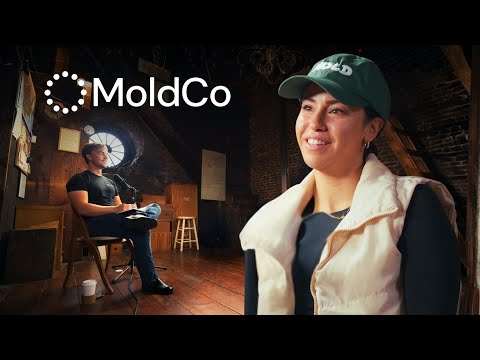
Ariana Thacker, founder and CEO of Moldco, discusses the hidden epidemic of mold-related illness in this interview recorded at the Old North Church in Boston on the 250th anniversary of Paul Revere’s famous lantern signal. Thacker founded Moldco after developing chronic inflammatory response syndrome (CIRS) from mold exposure in her Miami condo, where mold had colonized the HVAC system. After just six and a half months of exposure, she developed a chronic condition despite having no prior health issues.
The interview explores how approximately 25 million Americans suffer from chronic inflammatory response syndrome, which Thacker believes is one of the biggest medical blind spots in driving chronic illness. About 50% of homes have hidden mold issues, and one in four people have genetic susceptibility (HLA haplotype on chromosome 6) that prevents them from effectively detoxing mold toxins even after leaving the environment. Symptoms include brain fog, fatigue, frequent urination, joint pain, sleep issues, anxiety, depression, and for women, miscarriages and painful periods.
Thacker details how she went through 600 rejections raising her first fund Conscience VC before founding Moldco. The company follows Dr. Shoemaker’s peer-reviewed protocol, offering a three-step treatment (detox, clear, repair) through a virtual clinic that can help 90% of patients achieve 70-90% symptom resolution. The interview covers how the host himself had mold exposure as a child and experienced many of the symptoms described, highlighting how this underdiagnosed condition may be contributing to the anti-depressant and focus drug epidemics.
Highlights
”This is one of the biggest medical blind spots driving chronic illness in America”
Clip command
yt-dlp --download-sections "*1:16-2:20" "https://www.youtube.com/watch?v=c_oBTi4foxo" --force-keyframes-at-cuts --merge-output-format mp4 -o "c_oBTi4foxo-1m16s.mp4"“25 million is our estimate for chronic inflammatory response syndrome. Our thesis is that this is one of the biggest medical blind spots in driving chronic illness here in America at the root cause of neurodegeneration, IBS, fibromyalgia, chronic fatigue syndrome. Even we think there’s ties to obesity and metabolic conditions too.” — Ariana Thacker, 1:16
”Around 50% of homes have a hidden mold issue”
Clip command
yt-dlp --download-sections "*3:26-4:30" "https://www.youtube.com/watch?v=c_oBTi4foxo" --force-keyframes-at-cuts --merge-output-format mp4 -o "c_oBTi4foxo-3m26s.mp4"“Our thesis is that around 50% of homes have a hidden mold issue. There’s been over 12,800 homes surveyed across the US. 50% had mold growth, dampness and water damage. I’ve seen estimates as high as 70% for mold alone.” — Ariana Thacker, 3:26
”It only took six and a half months for me to develop a chronic condition”
Clip command
yt-dlp --download-sections "*9:28-10:30" "https://www.youtube.com/watch?v=c_oBTi4foxo" --force-keyframes-at-cuts --merge-output-format mp4 -o "c_oBTi4foxo-9m28s.mp4"“For me personally, someone quite healthy coming in with the genetic susceptibility, it only took six and a half months for me to develop a chronic condition to mold. No prior health issues to be clear. So it can happen in a matter of months for some patients.” — Ariana Thacker, 9:28
”Frequent urination affects 80-90% of male patients we see”
Clip command
yt-dlp --download-sections "*6:58-8:00" "https://www.youtube.com/watch?v=c_oBTi4foxo" --force-keyframes-at-cuts --merge-output-format mp4 -o "c_oBTi4foxo-6m58s.mp4"“Getting up and go to the bathroom multiple times a night is really indicative. That’s a very common symptom. I’d say that’s almost 80-90% of the male patients that we see. It’s due to ADH and osmolality dysregulation.” — Ariana Thacker, 6:58
”There’s an insurance code for being bit by a turtle, but not for mold related illness”
Clip command
yt-dlp --download-sections "*52:30-53:30" "https://www.youtube.com/watch?v=c_oBTi4foxo" --force-keyframes-at-cuts --merge-output-format mp4 -o "c_oBTi4foxo-52m30s.mp4"“There’s an insurance code for being bit by a turtle, but not for mold related illness. That’s how far behind the medical establishment is on recognizing this condition.” — Ariana Thacker, 52:30
”I went through 600 rejections raising my first fund”
Clip command
yt-dlp --download-sections "*25:19-26:20" "https://www.youtube.com/watch?v=c_oBTi4foxo" --force-keyframes-at-cuts --merge-output-format mp4 -o "c_oBTi4foxo-25m19s.mp4"“I went through 600 rejections raising my first fund, Conscience VC. I lived at my parents’ apartment in LA, woke at 4am daily, sometimes pitched in a robe. By the end, I was closing half to two-thirds of pitches after iterating my approach.” — Ariana Thacker, 25:19
Key Points
- 25 million Americans affected (1:16) - Estimate for chronic inflammatory response syndrome (CIRS), which is more severe mold related illness at the root cause of neurodegeneration, IBS, fibromyalgia, chronic fatigue syndrome, and possibly obesity
- 50% of homes have hidden mold (3:26) - Survey of 12,800 homes found 50% had mold growth, dampness, and water damage; some estimates go as high as 70%
- Chronic inflammation continues after exposure (5:18) - Unlike allergies or asthma, CIRS causes ongoing inflammation even after leaving the moldy environment, tied to genetic susceptibility
- One in four are genetically susceptible (5:46) - HLA haplotype on chromosome 6 correlates with who gets sick from mold; these people cannot effectively bind and detox the toxins
- Symptom clusters (6:07) - Brain fog, fatigue, gastrointestinal issues, frequent urination (80-90% of male patients), joint pain, sleep issues, anxiety, depression, suicidal ideation, and for women multiple miscarriages
- Root cause medicine (10:27) - Many patients are misdiagnosed or prescribed anti-anxiety/anti-depressant medications when mold is the actual root cause
- Ariana’s personal experience (16:17) - Developed chronic condition after just 6.5 months in Miami condo with mold in HVAC system; noticed weird smell first week but didn’t know what it was
- 600 rejections raising first fund (25:19) - Lived at parents’ apartment in LA, woke at 4am daily, sometimes pitched in a robe; iterated approach until closing half to two-thirds of pitches toward the end
- Shoemaker Protocol (31:05) - 12-step treatment approach from Dr. Shoemaker who has the only peer-reviewed, published treatment and diagnostic approach in the space
- Three-step treatment (31:45) - Moldco simplified to detox (cholestyramine binder), clear (EDTA/xylitol nasal spray for biofilm), and repair (VIP peptide spray)
- Travel checklist for avoiding mold (40:01) - No carpet, newer builds, check for historic water damage, call front desk about accommodations for hypersensitive patients, have backup accommodations
- Almost every airport has mold (43:05) - Ariana travels with binders and takes prophylactic doses; some airports have visible mold
- COVID as priming event (49:27) - Dr. Shoemaker’s team believes COVID was a priming event for worse mold outcomes; microbial burden accumulates and leads to worse outcomes
- No insurance code for mold illness (52:30) - There’s an insurance code for being bit by a turtle, but not for mold related illness
- IQ drop from mold exposure (57:10) - Research shows cognitive impacts; may be contributing to social disparities if mold is more prevalent in lower income areas with older buildings
- The hardest thing to overcome (62:15) - Internal demons of fear and anxiety; emphasizes high courage over low fear since you can control how you show up
Mentions
Companies
- Moldco (0:41) - Ariana’s company that treats patients with mold related illness through lab testing and evidence-based treatment
- Conscience VC (25:19) - Ariana’s first venture fund focused on early stage founders; took 600 rejections to raise
- The Immune Co (55:10) - Parent entity name for Moldco; vision to address mold, Lyme, and long COVID
- George Washington University (2:20) - Just launched the first and only program for mold related illness in the US based on Shoemaker protocol
Products & Technologies
- Shoemaker Protocol (31:05) - 12-step treatment developed by Dr. Shoemaker, the only peer-reviewed published approach in the space
- Cholestyramine/Colestipol (31:50) - FDA-approved prescription binder used off-label for mold detox (originally for cholesterol)
- VIP Peptide Spray (32:15) - Vasoactive intestinal polypeptide used in the repair step of treatment
- EDTA/Xylitol Nasal Spray (32:05) - Used to address MARCoNS colonization and biofilm in nasal passages
- Dust Testing (3:10) - Swiffer pad test to identify fungal strains in home before hiring inspector
- HLA Haplotype Testing (21:25) - Genetic test on chromosome 6 to identify mold susceptibility; correlates with one in four Americans
- Rammed Earth/Sirewall (48:45) - Compressed sand/sandstone building material that’s more resistant to mold growth
- RNA Sequencing (56:25) - Used to analyze Moldco’s biobank of thousands of biospecimens
People
- Dr. Ritchie Shoemaker (10:45) - Founding physician of Moldco’s approach; has the only peer-reviewed treatment protocol; based in Pocomoke, Maryland
- Dr. Scott McMahon (53:50) - Medical director at Moldco who trains new providers
- Julian Liplo (28:25) - Co-founder who invested in Conscience VC, then invested in Moldco, then joined as co-founder
- Kevin (57:55) - Co-founder recently announced along with Julian
- Paul Revere (0:25) - Historical figure mentioned as interview was filmed at Old North Church where he rang bells as a teenager
- Chris Williamson (35:12) - Podcaster who announced he had mold related illness, helping raise awareness
- Jordan Peterson (35:12) - Public figure who announced mold related illness, helping drive Google search trends
- Charlie Munger (49:50) - Referenced for “lollapalooza” concept of compounding effects (1+1+1=7 instead of 3)
- Max Machion (62:40) - From Superpower; described importance of being “low fear”
Surprising Quotes
“Our thesis is that this is one of the biggest medical blind spots in driving chronic illness here in America as well as worldwide at the root cause of neurodegeneration, IBS, fibromyalgia, chronic fatigue syndrome. Even we think there’s ties to obesity and metabolic conditions too.” — 1:30
“There’s an insurance code for being bit by a turtle, but not for mold related illness.” — 52:30
“Almost every airport has mold. Some are definitely worse than others. You can see visible mold in some of these airports.” — 43:05
“I had this really strong internal drive to work with founders at scale. It was almost naive and I’m glad it was naive because I think if I would have known the level of pain going in, it probably would have been no.” — 26:00
“High courage is the ideal to optimize for because you can’t really control the fear to an extent. I rather put energy into what I can control. And I can control how I show up.” — 63:05
Transcript
0:00 Today I am sitting down with Ariana Thacker and she is the founder and CEO of Moldco. We’re in the Old North Church in Boston that helped spark the American Revolution by placing lanterns. It’s the oldest church here in Boston. We’re actually here on the 250th anniversary of something pretty iconic in American history. So Paul Revere’s plan was to have two lanterns up if the British were coming by sea. That’s what happened here at this church. And we’re actually at the church where Paul Revere as a teenager would ring the bell. So the church hosts who are having us here today like to say that this is the church that ignited the American Revolution.
0:41 Do you want to just kind of go down and explain what is Moldco and why did you start the company? Yeah, absolutely. So, I started Moldco from a personal health journey. Kind of weird to be known as the face of mold now. Do you enjoy being known as the face of mold? I’m learning to love it. Yeah. But what we do is we help treat patients that are dealing with mold related illness or mold toxicity. We offer lab testing which includes health labs and dust testing of your home as well as the only evidence-based approach in the space to help patients achieve aspirational health.
1:16 You mentioned off camera that like 25 million people kind of suffer from mold related illnesses in the US alone. How has this kind of just been this like untreated massive issue? Yeah. So 25 million is our estimate for something called chronic inflammatory response syndrome which is more severe mold related illness. Our thesis is that this is one of the biggest medical blind spots in driving chronic illness here in America as well as worldwide at the root cause of neurodegeneration, IBS, fibromyalgia, chronic fatigue syndrome, etc. Even we think there’s ties to obesity and metabolic conditions too.
1:52 And why did this go unnoticed? I think that’s for a few different reasons. One, a lot of the research is constrained to our founding team. These were private clinical researchers that didn’t seek the most studied publications out there. There’s also a lot of the research was really developed over the last 30 years. It takes time to translate that into standard medical practice and we’re starting to see that shift happening now.
2:18 George Washington University just launched the first and only program for mold related illness here in the US and that’s based on our approach through Dr. Shoemaker’s protocol. So we’re already starting to see those shifts happen. Also just by design what we have here, the way our medical system is designed is that we have a whole sequence of specialists that you visit but addressing a multi-symptom multi-system issue is not really something that’s well scoped out. So, I think it’s not just one reason. It’s probably a layering of these different reasons for why it has been a blind spot historically and why we’re here changing that today.
2:55 Is it something where there is not enough like testing for it done in homes and environments? Yeah. From an environmental standpoint, people do hire mold inspectors. That’s actually a pretty sizable market, very fragmented. And people are also now conducting dust testing in their home, too. So that’s the pre-step before an inspector. You have a Swiffer pad that wipes down different surfaces and you see the different fungal strains in your home. So that’s part of the formula. There’s also the remediation market too.
3:26 Our thesis is that around 50% of homes have a hidden mold issue as well. So there’s that dramatic irony happening. Yeah, that’s a percentage. It’s nuts. Yeah. I mean there’s been a number of studies reinforcing that number. There was over 12,800 homes surveyed across the US. 50% had mold growth, dampness and water damage. I’ve seen estimates as high as 70% for mold alone. So, these numbers get enormous.
3:57 Yeah. Okay. So, walk me through like what happens when you have mold exposure and what are kind of like the symptoms that you start experiencing.
4:04 Yeah, for sure. I’ll start off with the ones, the health issues that people are most familiar with. So the more acute issues are allergies, fungal infections, asthma, right? Those are the mainstay health understandings of how mold impacts the human body. And then there’s also something called chronic inflammatory response syndrome or mold related illness or mold toxicity. These are almost synonyms of each other.
4:29 The NIH just updated their web page on mold to represent the health impacts that are more immune and inflammatory in nature and that’s what we address. So that shows up as a multi-system, multi-symptom issue. And when I say multiple systems in the body, that includes cognitive, vascular, hormonal, pulmonary, gastrointestinal. It’s not just one symptom or just one system impacted. And that’s what we’re really focused on as a company.
4:57 So when you’re exposed to mold, your first line of defense goes haywire, your innate immune system, and that leads to a state of chronic inflammation. So very distinct, a different animal in the zoo versus a fungal infection, asthma or allergies.
5:10 Is this something where it’s just kind of chronic and you’re constantly exposed to it and so you’re just in a state where your immune system is constantly suppressed?
5:18 That’s a really great question and that’s what distinguishes it from these other health issues. So when you have the acute issues like asthma, allergies or fungal infection, you have that source and then you have the trigger. With CIRS or mold related illness, it’s actually an ongoing response even when you’re out of the environment. So you maintain the state of inflammation even if you’re not actively being exposed and that’s also tied to this genetic susceptibility that our founding team has noted.
5:46 So one in four people here in the US are susceptible meaning that even when they get out of the environment they’re not able to effectively bind and detox the toxins in their body from that exposure.
5:58 So, what does that end up doing? If you’re kind of like constantly exposed to mold for like years on end, what does that do to your body?
6:05 Yeah. The way it shows up is something called the symptom clusters. And these are the most representative symptoms for what patients experience. And that shows up as brain fog, fatigue, gastrointestinal issues where you’re not able to fully digest food. It’s IBS type symptoms. There’s also frequent urination where you’re getting up several times at night. That level of dehydration as well causes you to keep drinking water throughout the day more than usual.
6:36 We’ve seen joint pain, morning stiffness. There’s also sleep issues where you might have this wired and tired feeling too. For some of the women that we’ve seen, there’s also multiple miscarriages unfortunately, really painful periods etc. So, we’ve seen this multi-system response to mold exposure being the root cause of their health issues.
6:58 I think when I was like five or six, we had a massive flood in our basement and that definitely had a huge impact. And definitely needing to get up and go to the bathroom multiple times a night is 100%. That’s really indicative. Yeah, especially for males, we see that really common. Yeah, that’s a very common symptom. Interesting. Yeah, I’d say that’s almost 80-90% of the male patients that we see. Is that just due to urine things? Frequent urination. Yeah, it’s due to ADH and osmolality dysregulation. Those are two of the labs we test for.
7:32 And so on the sleep quality side, like killing sleep quality. How does that show up?
7:38 Yeah. So there’s impact to the pituitary gland and that has a number of different hormonal impacts on the body. Your cortisol especially gets dysregulated. So your circadian rhythm goes off, your MSH levels tank. So you see these biomarkers just becoming dysregulated. There’s also increased pain. Your endorphin levels drop too. So you’re not able to tolerate pain as much. Some of these patients experience chronic pain sometimes to the point of suicide because the pain is just overwhelming.
8:08 So we see that. We also see mood dysregulation too, anxiety, depression, suicidal ideation very common in these patients as well. So it almost makes me wonder how much of the anti-anxiety, anti-depressant market can be displaced as well as some of the IVF market due to the infertility issues where this is just the root cause. Consider your environment before taking on these additional medications and care for your body.
8:38 Yeah. And so in a home that I would have had where you do have this event where there’s lots of water damage and hypothetically you kind of want to eliminate that and we got the basement fixed or whatever, does it typically stay in the house and you still have mold exposure just ongoing after an event like that?
8:58 Yeah, you can. Mold can waft into different rooms. Also depending on the remediation technique it may not be complete. Also depending on the technique, it may have left dead particles around which we actually think is more inflammation causing than the live mold species too. We actually recommend cutting out the material versus using chemical cleaning. For hypersensitive patients, you may want a small particle cleaning after as well.
9:28 So it just depends on the circumstances of how the remediation was conducted and the amount of air flow to the other rooms in the home. But even a duration of let’s say 3 months of exposure for some patient subtypes could be problematic where it triggers the CIRS response. For me personally, someone quite healthy coming in with the genetic susceptibility, it only took six and a half months for me to develop a chronic condition to mold. No prior health issues to be clear. So it can happen in a matter of months for some patients.
10:00 Well, I just learned that I definitely had mold exposure and had all those symptoms. So thank God we’ve met. Yeah, I can hook it up. Yeah. Cause I remember when I was like I think I must have been six or seven, I started having trouble sleeping at night and just going to sleep. It would just take like hours. Which is definitely not great trying to wake up early for school.
10:27 Yeah. So by the time someone is like coming to you and you’re actually treating it and doing lab tests and stuff, how far along has things progressed?
10:36 It really just depends. Sometimes patients want to even assess if there’s mold in their home in the first place. So, we do a dust test for that. Maybe they haven’t made the mold health connection, but there’s mold exposure with them. We may do the lab testing for them. But let’s say they’ve made the mold health connection and then from there we treat a variety of different patients progress into the illness. Mostly mild to moderate. The very severe patients which are less than 10%, those are more tricky to treat at our current stage but we do plan to address those patients too.
11:08 And why is that tricky? These are patients, imagine folks that can’t go down the cleaning aisle at the grocery store because they’re too reactive. These are very hypersensitive patients. You see them often living outside in tents. They’re not able to travel. They’re in bed several hours of the day. Very few functional hours. So these are the very hypersensitive patients where it’s quite tricky to address in a virtual care clinic and they often need a battery of other tests to assess are there other co-infections involved that also need care.
11:42 So for our current stage we’re treating the 90% and we’ll get to the 10%. The vision is to treat 100% of the market at some point.
11:52 What’s the logic for kind of going after the slightly less far-along cases versus just going all in at the beginning?
12:00 Yeah, right now where the evidence and science is today, the 90% get somewhere between 70 to 90% better. So that’s based on clinical practice and our team’s founding research. We’re also seeing pretty close to those numbers already in terms of symptoms resolution for our patients too. So there’s coherence there.
12:22 What there isn’t a reliable solution for is that 10% and those patients often take several years. So we do sometimes see case studies where they do get better but it takes a very long time, a lot of guesswork, multiple types of medications and lab testing and the level of complexity just grows exponentially versus the 90%.
12:42 Is it in that last 10% of cases, do they typically have like an autoimmune disease or problem that gives them a disadvantage?
12:52 They often have a few things. Untreated Lyme is very common. Chronically activated Epstein-Barr virus. Less common but MCAS, so there’s multiple chemical sensitivity too. So, they tend to have what we’re noting as a problematic overexpression of histamine, gut issues that are quite complicated to navigate. They’re just a much more tricky patient to try to work with and they tend to be very sensitive to medications and supplements and foods. Like, these are patients that can really only eat a carnivore diet. They can’t really have a varied diet.
13:25 So navigating those patients tends to be very complicated. I’ve experienced sleep problems. I have a hard time eating most foods that aren’t like meat and vegetables. Yes, this is very indicative. Definitely problems with focus and just brain fog, stuff like that.
13:42 When people speak English to you, do you have to hear it a few times? Do you register that they’re speaking English, but it’s hard to grasp the words they’re saying? Or new knowledge assimilation? Like it’s easier to listen to audio books versus read and you have to read something multiple times over.
14:00 Absolutely. But I’m also dyslexic, so I’m not sure how much goes from that. I know that the way that I learn is I like to just listen to books or interviews and I’ll listen to a whole bunch of books and interviews and maybe I’ll listen to the same thing multiple times. And only on the third or fourth or fifth time you get the most interesting information or rewire how you think. So, I don’t know. Basically you just went down the list of all the problems that I experienced as a kid and that’s pretty much just point for point.
14:32 And it’s tied… I don’t know if you’ve heard of PANS PANDAS or like mood changes. The neuroinflammation is usually quite intensive in kids where they have like mold rage even. There could be angry outbursts that parents can’t really understand. There’s a dysregulation in how the kids are showing up day-to-day which leads to misunderstanding too.
14:55 So, is this one of those things where we have like an entire set of drugs and remedies, kind of like the whole band-aid situation where you’re not actually treating the fundamental thing. You’re basically slapping a band-aid on the gushing wound.
15:10 Yeah. This is root cause medicine. Exactly.
15:15 Okay. So let’s say that you are like some kid and you basically grow up in an environment with a lot of mold and you have a lot of these conditions. How do you go about treating it and like getting better? What’s that process?
15:28 Minimizing environmental exposure is important. So addressing the root cause in the home important or relocating to a cleaner home or having some band-aid solution in the meantime, air purifiers or isolating the source. Working with an environmental professional. That’s step one.
15:48 We still start treatment when patients are in the environment because it is a progressive illness. So that’s where we follow Dr. Shoemaker’s research who’s our founding physician who has the only peer-reviewed published treatment and diagnostic approach in the space and that’s what we follow. So it’s a multi-step protocol to take patients through symptoms resolution and improvement to get back to better health.
16:17 You experienced this in your own life and I know you started the company in 2022 after having gone through this process. What was your own experience with mold illness?
16:30 Yeah, for sure. One, I didn’t know mold could cause these health issues. Like the separate… I didn’t either. Yeah, it was total surprise to me. Like the labs that we have available on our website I’ve never heard of before I got sick to be clear. I always just thought it was the allergies, asthma, fungal infection bucket. To have an inflammatory response to mold kind of blew my mind. I had to wrap my head around that concept for several months, even after I got sick and made the mold health connection.
17:05 So I was living in my Miami condo I was renting and there was mold throughout the HVAC system and I work from home. So you’re just breathing this constantly 24/7. Correct. And even the first week moving in, I had some symptoms. I noticed a weird smell. I didn’t know what that smell was. I told the landlord, “Hey, I think the neighbors are smoking cigarettes or something, but it doesn’t really smell like cigarettes. I’m not sure what that smell is, but something’s definitely wafting into my unit, and it’s weird.”
17:40 So then over the time of being in my home, I started getting progressively sick and then I started seeing multiple specialists, my primary care provider, functional health doctors, trying to piece together what was going on. The far majority of my labs showed up normal. Some of my imaging showed up normal. It was just unclear what was going on.
18:05 Were they testing for the wrong thing? They were testing for the wrong things. Yeah. The one thing that did stick out was low ferritin, but I wasn’t anemic. And when I took iron pills, I didn’t feel that much better. I was like, “Okay, I have slightly more energy, but I’m still feeling progressively more sick each day.”
18:25 So, it wasn’t until one of my friends who used to work at a clinic said that, “Hey, a lot of the symptoms you’re presenting with is what we see with patients with mold.” And I was like, “What? Mold can cause health issues like this?” And she said, “Yes, absolutely.” So, hired an inspector. We found it was high levels of mold in the home throughout the HVAC system, aspergillus, penicillium. I moved out right when that was validated. But that’s how I made the mold health connection.
18:55 And how long were you staying there before you moved out? It was just six and a half months. But that’s like, I mean, if you’re breathing this stuff constantly 24/7 for 6 months, that’s probably not great. Not great. And I also have one of the genetic susceptibilities, too. So, that compounded it. Even though I was healthy going in, never had health issues, I still got that sick.
19:20 Can you also go through what those genetic predispositions to susceptibility are?
19:28 Yeah. To get a little technical, it’s on chromosome 6. We look for three different alleles. It’s called the HLA haplotype. We often see that in bone marrow transplants, conducting your HLA haplotype for that transplant. We also see that in autoimmune conditions too, figuring out what your HLA haplotype is. It turns out there is a correlative factor between these HLA haplotypes and who gets sick from mold and other biotoxin illnesses. And what our research shows is that this maps to one in four people here in the US that have that susceptibility.
20:05 That’s nuts. So, if you were going to try to radically stop from the beginning, eliminate all mold exposure in these homes, how would you go about that?
20:18 I don’t think that’s possible. I think you’ll still have low-level exposure. So, it’s just what level is okay and won’t impact your health. Some is fine, but then there’s a threshold that’s met where it’s no longer fine for human health.
20:35 And is that typically the 50% of homes that have some level of mold exposure where it is detrimental to human health even if you don’t have the chromosome 6 issue?
20:48 Yeah, we don’t have that level of granularity for the data but what happens is over time mold continues to grow if there’s ongoing water damage that’s problematic or if the building construction practices were faulty or the materials being used are more conducive to mold exposure. It could be as seemingly benign as a loose nail head on the roof where you have water intrusion coming in.
21:15 So it just depends on where the point sources are coming from and how that’s developing over time. What could be true for a home today where it’s a low-level exposure could then go into moderate or even severe over time, like for my HVAC system, the point source was dust in the HVAC unit. Dust is organic matter. That’s mold food. So, that’s helping the mold germinate. There could just be a variety of different factors that change over time. It’s not a static situation in the built environment.
21:45 How many different types of mold are there? Because I remember like black mold is obviously very bad for you. Blue cheese mold is, you know, tasty. So what different types of mold are there?
22:00 There’s several types of toxic and/or problematic species of mold. And it’s not just the mold in the home, it’s also their mycotoxins released. It’s the fragments of the mold. It’s the VOCs. There’s also bacteria found in water damaged buildings. There’s emerging research from our team and partnered clinical researchers around endotoxins and actinobacteria.
22:25 So there’s this whole melange of different microbial organisms that you’re getting exposed to in a water damaged building. And the air spore trap samples don’t pick up on a lot of those fragments and particles. My conversations with Dr. Shoemaker indicate that it could be a hundred times more than what the air spore trap sampling’s even picking up on because the tools aren’t so sensitive to note that. And it’s not just a black mold issue. There’s other types of inflammation causing mold species.
22:55 How did you get in touch with Dr. Shoemaker?
23:00 I got an introduction through the provider who was treating me who was one of his first apprentices and then I just kept emailing him. I was a little annoying with it. And then visited him in Pocomoke, Maryland because obviously he had to be part of what we’re building. It was very critical, but it was about a 12-month process between meeting him and convincing him to join us.
23:28 One of the things that I noticed about you that I think is really special is in most cases when I’m reaching out to someone, they don’t have as much agency as you do. And so when I mentioned that we could do the recording in a special environment, you just started emailing. First it was a haunted house and then it was this church and you were like, “Oh, we’ll just email them and ask if we can use the bell tower for a recording.” Most people are not willing to just email people like that.
23:58 Oh, really? No. No, I don’t think so. That’s so funny. How did you kind of come to that way of interaction where you just reach out to people?
24:10 That’s an interesting question. I’ve never thought of that. I think I actually trained that impulse in adulthood. There was a point where I was traveling for about 6 months almost entirely solo and I had a rule to meet 10 people a day. So, I think that got rid of any social barrier for me to just reach out to random people and see what’s possible.
24:32 Did you actually meet 10 people a day? Most days. Yeah. I mean, I was very social at that time and also very bored, so it often happened.
24:45 What’s been the most interesting interaction that you’ve had just by reaching out to people?
24:52 Whoa, that’s a great question. Obviously Dr. Shoemaker. I feel like he changed my life in more ways than one. Beyond Moldco, I’m here today and healthy because of his research and his work. That’s been one of the most special relationships in my life. So I’ll just say Dr. Shoemaker.
25:10 Anyone else? I would say the anchor investor for my firm Conscience VC. He actually rejected the investment multiple times and I just kept emailing him and I kept sending him updates and then first he said no several times and then he was like okay maybe after you get an anchor and then at some point he was like you know what we’ll do a small check and I was like okay solid and then I just kept emailing and then he said you know we’ll just anchor this. So that was another good one.
25:42 Do you want to talk about the process for raising that fund? I know when we were walking earlier, you mentioned you basically got 600 rejections going on that fundraising process. Why did you want to start the fund in the first place and what was that like?
26:00 I had this really strong internal drive to work with founders at scale. It was almost naive and I’m glad it was naive because I think if I would have known the level of pain going in, it probably would have been no.
26:18 But essentially, I moved into my parents’ apartment in LA. Wasn’t making a salary. Was getting up at 4:00 a.m. every morning and then working till I passed out. There would be like a few days where I just wouldn’t even shower. I would actually just like pitch family offices in a robe and I would apologize for my aesthetic thinking it’s okay to look that way as long as I’m hustling. I’ve since shifted my fundraising approach but anyway…
26:48 Was that effective? No it wasn’t. Most of that 600 was towards the front end and then I quickly kept iterating. I’m like okay I’ll get better at this over time. And towards the end I was closing like, I don’t have the exact numbers but I’d say at least half maybe two-thirds of the people I was pitching.
27:10 At that point it helps when you have social proof and momentum and you understand the sound bites and you understand how to approach an LP which I had no context of at that time and I didn’t have a network. I had to build that from scratch. So, it was this painfully iterative process and I just kept showing up each day and reaching out to people and being seen. And it worked out. You just have to understand that things are exponential and it stays flat for a while and then it’ll take off. You just have to show up and adjust.
27:42 I imagine if you’re going to do 600 rejections and spend months of your life or a year plus raising a fund, going into that, why did you want to start it?
27:55 I had an obsession, like mold now. I had an obsession to just help early stage founders. I tried to psychoanalyze that a bit. When I was very little, my parents had a kids clothing store business that failed. And maybe part of it is me wanting to save my parents. I don’t know. That’s one layer of it.
28:18 The other layer is I was just always fascinated by how one person or a small collection of people can then just compound something that’s nationwide or global and drive so much impact for humanity. I think that concept is really cool and to be at the early innings of something like that or to help ignite something like that is just absolutely fascinating. So I love that and I also love the sciences. I was investing in these more technical businesses. So the student in me just really enjoyed that too.
28:50 So, it’s this collection of things that I just really adored and wanted to commit my life to. Career and building is just… I don’t want to say almost all of me, but it is. It takes up a big portion of my life. So, I just wanted to design something that I would enjoy doing and waking up for as painful as it was just getting it off the ground.
29:12 How long did it take? It took from first close to final close, I think that process was like 12 to 14 months. I don’t have the exact number. I need to go back and see the wire dates. But it was around there of just pretty much non-stop rejection during that time.
29:32 I think the best or one of the best signals is when a VC is investing in a startup and then they go on to just quit investing and then go join the startup. With this it’s like you’re investing and then you decide to stop doing that to go start an actual company in the mold space.
29:52 One of our investors who’s now a co-founder actually did that too. So he invested in the fund, he invested in the company and then he joined the company and now he’s a co-founder. So that’s Julian Liplo. Amazing.
30:08 Yeah. So going through that process in your own mind, at what point did it kind of make sense to you to just focus on this?
30:18 It was an iterative process. Like just based off of what I just described, you can tell a lot of love went into getting Conscience off the ground. So I really didn’t want to let go of that. I felt like that was so part of my ego and identity. I couldn’t imagine a world without a lot of energy into this thing.
30:42 So, it took me a lot of time. What I ended up doing, and I was looking back at my LinkedIn posts at the time which were so ridiculous because I was like, where is this founder? I want to find the founder of Moldco. So I was interviewing all these people, several dozen people, trying to find someone else to build it.
31:05 Yeah. Trying to find the CEO and founder. And I was like, I’ll help you incubate it. I already did all this work. I’m working on getting Dr. Shoemaker in. We can license in all this IP. Hindsight it was just kind of a ridiculous quest.
31:22 So I tried that for several months while building the company in tandem, running the fund, also getting better. I was still sick during this time too and there’s a lot of personal chaos trying to find a clean home. So a lot was going on during this time.
31:40 But after several months of interviewing founders there was a point of almost no return. And I’m like, “Okay, I have so much context on how this business works.” And at that point, I was so obsessed, too. And it was all I could really think about. And then other investors in my network were like, “What are you doing? Are you starting this company? What’s going on with the fund? We’ll back you if you start the company.” And I’m like, “Okay, I think maybe it’s time to start the company.”
32:10 Yeah. So going from actually starting the company, you’ve already put in months or a year plus of research into figuring out the problem space. How did you kind of go about deciding to target that first 90%?
32:28 When I describe the solution, it’s going to sound obvious, but at the time it was very non-obvious because the information was so complex. To go through all the information and synthesize the obvious solution took so much time.
32:45 So status quo, the Shoemaker Protocol is 12 steps and going through those 12 steps is not the same 12 steps for everyone.
32:55 And do you want to just go through what those steps are? It’s going to be really complicated for the podcast. At a high level, getting out of the environment, addressing something called MARCoNS which is this bacterial colonization that happens in the nasal passages. So you have to treat that. You have to correct all the hormonal dysregulations. You introduce something called Losartan to lower TGF beta 1 levels. That’s an FDA approved medication here, used off label. We don’t do that step to be clear. And then we do the VIP peptide spray.
33:30 So you have to go through a sequence of these different steps which are varied for each patient. There’s several patient subtypes included. So to simplify all of that into something that can be delivered in a virtual clinic in a programmatic way and also in a simple way that patients can understand, to identify a solution that met all those constraints was fairly challenging. And to understand if it was true to also address a large portion of the population.
34:00 What we ended up doing was cutting off the long tail of very complex patient types to simplify that triangle. So now we just have a three-step approach through Moldco which we believe will address the 90% of the population.
34:18 And what is that three-step? Yeah. So that’s our detox, clear, repair. Just to put that in simple terms. So the detox step is using a prescription binder. That’s the term used in this space to remove the mold and biotoxins from the body. So that’s called cholestyramine, sometimes known as Welchol, but we use colestipol, that’s the generic version of that. It’s an FDA approved medication actually for cholesterol, here used off label for mold detox.
34:48 The second step is addressing that MARCoNS colonization and biofilm in the nasal passages. So that’s an EDTA and xylitol based nasal spray. And the third step is this patented VIP peptide. So vasoactive intestinal polypeptide is the last step and that’s the repair step.
35:12 Was it easier to kind of start this because you’d already gone through the process yourself?
35:18 Yeah, I think this would have been a very challenging task to even see through the matrix and connect all these dots having not been a patient because there’s so many questions and nuance and even aspects of treatment and lab testing that are so non-obvious you wouldn’t even know the questions to ask unless you go through it as a patient.
35:42 I just kept experiencing multiple points of friction. Almost like I had so many odd things happen where I just had to ask so many more questions and get in touch with so many more providers too. So I call it dissecting the elephant. You have a big elephant and it’s such a big puzzle to try to understand. But going through as a patient was really the golden ticket to get to the kingdom.
36:10 I remember documenting a lot of these epiphanies along the way in this very long Google document. Anytime I would have an epiphany, there were so many throughout this process trying to get to truth, I would just put it on this Google document. And by the time I formed the entity, that document was over 80 pages. So a lot of insights along the way.
36:35 Recently there’s been a number of people who basically kind of announced that they had mold related illnesses, Chris Williamson, Jordan Peterson. How has that impacted the public perception of just knowing that this is a thing now?
36:52 I think there’s a lot of positive ripple effects from their bravery and announcing that. One, just more awareness. We’re seeing the Google search trends increasing for this space too. Mold toxicity has been an exponential climb for example. We just saw that spike in mold remediation as well.
37:15 So I think their awareness gave people permission to even ask the question do I have a mold related health issue and to start better understanding what that is. So the ripple effects that we’ll see longer term are more inspections happening in the home, more interest in labs and just general open-mindedness from patients, the medical community and scientists around the mold health connection just from that announcement.
37:42 And is there something where if you have hundreds of thousands of dollars to put towards this you can do things that you can’t do if you don’t have that kind of money?
37:55 Right now the status quo what patients are paying and how long it takes is they have to first wait several months to get off a wait list to see a qualified provider. Often they’re going through the referral ping-pong.
38:12 And are they still in the environments that are causing these problems while they’re going through this process? Every patient kind of has their own unique journey, but yeah, several of these patients often don’t relocate right away or they’re waiting for a better financial position to then do the remediation or they’re still trying to figure out how do I work with my landlord to fix my home. So, there’s just a wide variety of where they’re at situationally.
38:40 They end up paying tens of thousands of dollars, sometimes hundreds of thousands of dollars. The most I’ve heard someone, a single individual pay is $500,000 and then 2 million for the family unit. That individual is actually one of our investors because our approach was the only thing that worked for him after a lot of guesswork through alternative medicine and through standard medical practice.
39:08 Hypothetically, if someone was watching this and they are in an environment where there is mold exposure, what should they do?
39:18 Yeah, that’s a great question. One, if you don’t know you have exposure yet, I would start with a dust test. And also, we have a free guide that has a checklist, too, that you can go through and see some of the obvious and non-obvious signs.
39:35 Some of those signs include peeling paint, cracking walls, any warpedness, that earthy, musty odor in the home, visual mold obviously, any history of water damage in the unit. These are some of the obvious signs. If you have a crawl space, that’s notorious for mold growth. A flat roof usually tends to be problematic as well. Some home designs, if you have a pitched roof, you’re just able to have the water when there’s rainfall just slide off the roof versus a flat roof, then you could have pooling.
40:08 So, there’s some of these more obvious structural designs that lend itself to microbial growth, as well as some of the using your senses for the smells and visual cues that there could be mold growth. I would start there if you’re looking for the point source of potential mold in the home. We talked about the dust in the HVAC system, too, being mold food.
40:32 That’s one bucket. The other bucket is if you’re a renter, what you can do if you’ve identified the source is work with your landlord. I’m not a lawyer. Work with your lawyer if you’re going to send cure notices or seven day break lease notices. But that’s also an option.
40:52 The other option too is just relocating if the landlord’s not able to fix the issues. If you’re a homeowner, you have less options. You ultimately have to remediate and fix the home. So, working with a qualified remediator and try to find someone who’s certified like IICRC, NORMI, ACAC. Do your diligence, find someone who’s really qualified to help handle your mold situation. And probably get a few different opinions where the inspector is different from the remediator, so you don’t have conflict of interest.
41:25 So it really just depends on where you are, if you’re renting or buying, and how severe the issue is, too.
41:32 So, with us, we are constantly traveling and staying in lots of Airbnbs and hotels and all these different places. And I’ve noticed, I didn’t really put two and two together that this could be a possibility, but I’ve definitely noticed that in some places we travel to, I’m just tired or lethargic or more lethargic. Is that one of the things that’s a big issue? If you’re traveling and you go to a random Airbnb, if 50% of houses have this issue, then you can just suddenly not be energetic.
42:05 Yeah. I mean, that’s a great… I’m traveling for this 8-week stretch. I’m kind of in the eye of the storm being back in Boston right now. I actually have a pretty detailed checklist that I can send you of what I look for when I’m traveling.
42:22 What is that checklist? Yeah. I work with my team to also help source great places, too, for when all of us are traveling. So, no carpet, one. Newer builds or newly renovated. Looking online across multiple different sources if there’s been any historic water damage or weird smells or visible mold. Calling the front desk to see if they accommodate for hypersensitive patients.
42:52 So there’s this long checklist that we go through as well as looking at the images online to see if we see any of those representative visual cues. Ultimately I also try to source a backup as well because sometimes when I go there I’m like, okay, this place missed all of those different criteria. We weren’t able to detect that there was mold and then in that case I just move somewhere else.
43:15 But usually within the first handful of minutes of being somewhere I can start to feel the symptoms. And what does that actually manifest with in yourself? Similar to you, I get tired. I have brain fog. I’m just not on the ball. I can just tell my processing speed is more like molasses versus water. So it just shows up in that way.
43:38 I’m thinking going down the list. All right, so we had months of water damage, carpets, I was staying in the room where there was water damage for years afterwards. Yeah, that’s probably not ideal. Not ideal.
43:55 And I travel with binders. That’s… I have binders in my purse right now. I travel with that and take prophylactic doses because I know I’m going to have exposure. That’s in several of the airports.
44:10 Which ones? Almost every airport has mold. Some are definitely worse than others. You can see visible mold in some of these airports. The what is going on? This is nuts.
44:28 I feel like this is probably the most impactful interview for me personally because it’s just like, I’d imagine that this has a massive impact on just quality of life in general and how people go about their day if you are in an environment or if you are susceptible and you’re traveling a lot. If you get to a place and, like you said, you notice in a few minutes, what do you do in those circumstances?
44:55 For me personally, if I’m only going to be there for a night and I’m not somewhere like high stakes, like an important fundraising meeting or meeting a candidate for example, then I’ll probably just grin and bear it and try to detox later. Yeah.
45:12 Honestly, I’ll probably do that, but if it’s bad enough or high stakes enough, I go with the backup plan. I end up just having to cancel the accommodation and try to find somewhere else to stay.
45:25 And how often are you doing that? That initial checklist is actually pretty good. It’s only happened a few times where I had to find a plan B.
45:38 Is this something where you would want to… I’d imagine that this would also be a very interesting company to build or a product to build, just making a checklist that automatically checks spots for people before they book accommodations.
45:55 That’d be great. Yeah, that would be amazing. I’m trying to seed more mold companies out there. When I speak to founders, I’m like, “Hey, there’s opportunity in the mold space to do this.” Would love to see that company getting built.
46:10 So, what other companies, you know, you’re going to be creating this online thing that helps remediate mold exposure. What other companies should be getting built that aren’t getting built right now?
46:25 I think there’s a fintech opportunity to help cover the costs of inspection and remediation and care for these families. The remediation tends to be by far the most expensive.
46:40 I think there’s opportunity to help address the more hypersensitive patient types. Maybe in collaboration with us. We amass the largest data set in the world for what we’re doing. Thousands of biospecimens, close to 10,000 patient history forms. We have a very large data set. So anyone who’s open to helping collaborate to find the next generation of treatment and testing, we have an enormous data set to enable that.
47:12 I think also continuous monitoring of homes, real-time monitoring if there’s mold as well as some of these other species, the particulate matter, the VOCs, the mycotoxins, the endotoxins, the actinobacteria.
47:28 I think next generation dust testing or DIY testing in the home. The list goes on and on. There’s so many different opportunities. I think also better quantifying, better design as well, novel materials, quantifying what historically has worked to minimize microbial growth and then optimizing for builds that double down on that.
47:52 Some of the new materials coming out include this compressed sand sandstone, it’s called rammed earth or Sirewall is the brand name for it. So finding more innovations like that that are more affordable because ultimately the solution will end up being we have to address the current microbial growth across the buildings today if we really want to address this.
48:18 If this is really at the root cause of so many different chronic illnesses and 76% of US adults have one chronic illness or more, that number jumps to the 90s if you’re over age 64, we have to find a way to address the building some way somehow. Effective and affordable techniques to do that at scale. So, there’s just so many different opportunities in this space and I think several of those have real commercial value, too.
48:48 I imagine that one of the most difficult things is if you see the space is wide open, then there’s all these different avenues to go down that would all be worthwhile and productive to go after. How are you deciding to go after this and stay focused when you could be doing other things?
49:08 So the vision for the company and this is why the entity name is The Immune Co, there’s a compounding advantage as a business to focus on the health piece because there’s applicability not just for mold related illness but also other biotoxin illnesses too. And our thesis is that this data set can compound and address some of these other biotoxin illnesses with a lot of the same information and insights that we’ve gathered.
49:35 So Moldco is the first step in this journey. Next up is Limeco and after that is Longco for long COVID. So addressing the full scope of mold and biotoxin related illnesses where we’re seeing the same pattern of microbial insults, fungal, bacterial, viral, leading to innate immune system dysregulation leading to chronic inflammation.
49:58 The overarching illness is something called chronic inflammatory response syndrome. So, as a company, what can we do? We can start with Moldco using something that’s near silver bullet following the Shoemaker protocol, better subtype these patients, layer on additional medications and testing to then be able to spin out Limeco and Longco.
50:22 It is very tempting to continue to build in the mold economy. I think it’s very fragmented. I think there’s tremendous opportunity and makes sense from a channel standpoint. But ultimately, I think all these different partners in the space, the whole cast of characters from inspectors and remediators, air purification, etc. are all more marketing channel partners than us looking to displace that. Maintaining this concept that everyone’s an ally and together we can help these patients achieve aspirational health together.
50:55 Another idea too is that the environmental aspect is a very big problem. Every building is a unique organism. There isn’t really a great solution I’ve seen that’s so copy-paste yet. It’s going to require technical innovation versus what we’re seeing in Moldco. We already have something that’s been validated across 30 years of research.
51:18 Do I think it’s the modern iPhone today? No. I think it’s more like the iPhone 4 and that’s where the R&D piece comes in. So we can continue to innovate on that and get better and then address 100% getting 100% versus the 90% getting somewhere between 70 to 90%. So for all those reasons the strategy is designed the way it is focused on healthcare as primary.
51:45 With Longco, does this also have a correlation between mold exposure and long COVID?
51:52 So Dr. Shoemaker’s take on that and this is also consistent with our clinical team’s take too is that COVID was a priming event for worse outcomes.
52:02 So it’s just this lollapalooza idea where you know 1+1+1 equals like seven instead of three. And so having mold in your home and then being exposed to COVID or other diseases can compound on each other.
52:18 Yeah. There’s also other takes too around microbial burden. You start accumulating these different microbes and then it leads to worse outcomes too. COVID seemed to be a more intense priming event. So that’s our current take. Right now we need more research to really validate that. But that’s the take of our team.
52:42 How are you going to go from the first patient to scaling up to maybe millions of patients?
52:50 Yeah, great question. We’ve built a programmable patient journey through our virtual clinic. We’ve spent a lot of time developing our guidelines, developing our approach so that it is that programmatic logic so patients can go through treatment and get the lab testing for scale. We built this with scale in mind.
53:12 So now it’s just amplifying what we’ve already built. And also to get there we need to bring in more de novo providers into our platform. So providers that aren’t from this field. We’re recruiting new providers, training them under Dr. Shoemaker, Dr. Scott McMahon, who’s our medical director, and through our training program to then be able to effectively treat patients in this ecosystem.
53:38 We’re able to demonstrate all of that and build that. So the foundation there is set and we’re already starting our 50 state expansion. I anticipate we’ll be there by March of next year.
53:52 And what does that look like? What that looks like is patients across the US can come to our site. They can order lab testing. We have the blood draw. We have the genetic susceptibility. We have the dust test. And go through care. So they’d be able to have a visit with one of our providers after they have the intake to make sure that they are qualified for care.
54:18 They have access to a concierge care portal where they can message their care team at any time and get their questions answered. We’re also building out an LLM to be able to handle communications at scale. This is a very complex illness and several of these patients understandably have to be their own doctor. They’re very educated. They sometimes know as much as the doctors do.
54:42 So to meet patients where they are, being able to handle the complexity of those communications, we want a tech-enabled approach and then guiding them through the treatment steps that are delivered to their door.
54:58 Has this been one of those things where doctors are not testing for it and so they’re trying to treat every other illness that’s related to it but they’re not actually getting to the fundamental root? And so you go into the doctor’s office and they’re giving you a pill whereas this is actually the thing that’s causing the thing that needs the pill.
55:18 That’s one common patient journey. Often what does end up getting treated is the most acute symptom being presented which could be anxiety.
55:28 Another thing that happens is misdiagnosis. There’s also gaslighting that happens. Sometimes your doctor may say you need to go to a psychiatrist because these symptoms aren’t real. They’re psychosomatic. So we’ve seen all of that.
55:45 But there’s no environmental health screening questions at the annual visit. I actually wrote a policy memo to shift that. There’s no insurance code for mold related illness. There’s an insurance code for being bit by a turtle, but not for mold related illness. So that was also in the policy memo.
56:08 And there’s also no lab testing currently for any of the biomarkers that we’re testing for, except for ones that are unrelated but proxy to mold like anti-gliadin antibodies because we often see a gluten sensitivity, ferritin which is often dysregulated. But some of these other markers like VEGF, TGF beta 1, MMP9, MSH, C4A, these are not tested for even through immunologists or allergists. We just don’t see those lab tests getting done.
56:40 Because this has such a massive impact on so many other things, I know there’s this exponential curve on not only anti-depressants but also Adderall and a bunch of other focus drugs. Is this kind of one of those root cause issues for all those other things since there’s just massive pill farms being built on top of trying to eliminate or correct for this?
57:08 I think a subset of that market. Yes. Just because some of the common symptoms that present are anxiety, depression, even something called mold rage.
57:20 What is that? Mold rage. It’s you have angry outbursts that are this unregulated emotional response usually due to the neuroinflammation that occurs and some of the hormonal changes that occur as a result of this. So there’s that and then there’s also the cognitive impacts where you have the brain fog and poor knowledge assimilation and you’re just not able to learn or retain information. You have the memory impacts too.
57:48 So that’s a component of it. I think it’d be too bold to say that’s the entire market. I don’t think that’s the case. I think it’s a subset of the market.
58:00 And similarly it’s our thesis too just given the women’s health impacts which also need a lot more research. Only 12% of funds go towards women’s health research. But what we see is the multiple miscarriages and periods and infertility. So, it makes me wonder how much of IVF can just be solved by getting out of the mold environment and going through treatment.
58:28 On the R&D side, what are you guys spending the most time on for research and going from iPhone 4 to iPhone 17?
58:38 Yeah, that’s the vision. To get there, we want to find what are the most effective and safe treatments available today for patients. So, we’re not opting for an FDA pathway drug. We’re not looking for new chemical entities. We’re looking for medications and peptides that are already in existence that can be prescribed off label to patients today.
59:02 Expanding scope on what those things are capable of impacting and curing. Yes, exactly. Repurposing existing medications for this use case. Like one that tends to be a lot more affordable for patients and two it’s available near term and you can run shorter duration lower cost studies and trials to demonstrate that.
59:25 So that’s what we’re optimizing for as well as novel biomarkers to help with better testing and better subtyping of patients. Perhaps patient A gets medication A, patient B gets medication B.
59:38 So right now after we’ve amassed what we think is the world’s largest data set in the space, I’m pretty sure it is just from meeting so many people and being deep in it, which is thousands of biospecimens and the 10,000 patient history forms which includes the environmental data, MRI data, RNA seek data, past medical history, genetic data, etc. We have all that in our repository.
60:08 Right now we’re just making sense of that. We’ve started sequencing the biobank via RNA sequencing. And the next step from there is just making sense of that to then find the next generation of treatments and lab testing.
60:25 You guys have really started to market this and try to spread awareness of mold related issues. What’s been the most surprising thing for you so far?
60:35 That’s a great question. I was surprised by how many people have made the mold health connection. Going in I was almost skeptical that we would be able to move fast with that quadrant of patients. I was expecting a lot more education and awareness to be needed to be able to reach these patients.
60:55 But a lot of them are coming in very familiar with Dr. Shoemaker, having read several of the Reddit forums, participating in the Facebook groups. I was surprised by how big that patient population already is. So that was surprising.
61:12 And I was also surprised by the scope of treatments out there that have potential. So much right now outside of the Shoemaker protocol is anecdotal and guesswork, but I think there’s merit. I would love to just better understand the efficacy and safety of those approaches. So, I’m excited by the whole scope of potential treatments for the next generation of this too, just based off of what I’ve been crowdsourcing from patients already.
61:42 You briefly mentioned that there can be a noticeable IQ drop with constant chronic mold exposure. How big of an impact does that have or can that have?
61:55 Yeah. I do recall at least one published study on this looking at the IQ drop due to water damage building or maybe it was specific mold exposure. I think that’s something that needs a lot more research.
62:10 But what gets me curious is, is it contributing to social disparities? If mold is more prevalent in some of these lower income areas or older buildings, is that then impacting school performance and cognitive abilities?
62:28 Because here in the states, and I’m sure this will change with AI and new forms of education coming out, but one of the biggest contributors to social mobility is just having more education, right? And maybe you’re given an unfair advantage if you’re not able to be performant at school.
62:48 Beyond a potential IQ drop, it’s just the fatigue and the whole host of other symptoms that you could be experiencing as well as the emotional dysregulation. So, I almost wonder if it’s putting some kids at an unfair disadvantage right out the gate and limiting that mobility.
63:08 Yeah. I’d also imagine that if that does have a very negative impact on a whole bunch of other things. It’s not only that. It’s also, I’d imagine, that correlates with weight gain and eating habits and sleeping habits and that all compounds.
63:25 Yeah, we do see weight gain. We see leptin resistance in patients. Dr. Shoemaker and Dr. Scott thinks it’s one of the biggest or one of the bigger contributors to obesity here as well as a host of metabolic conditions.
63:40 There’s something called molecular hypometabolism that happens beyond leptin resistance too for these patients where the mitochondria are impacted. We’re noticing that mold ends up being a ribotoxin in the body. So that’s a whole other thread that we’re exploring more through our data set.
64:00 But yeah, I think there’s social penalties with that. The mood changes. Just not being able to be your best self, right? And it could impact forming relationships and friendships.
64:15 Yeah. And I’d imagine long-term thinking and planning and all this stuff. Is there a way to build something similar to a smoke detector that you can just plug into the wall and then you’re constantly measuring the mold exposure in your house?
64:32 That’s on my wish list. That would be a dream come true for me. Just to have that. What’s stopping that from being the case? It’s a technological breakthrough that’s needed. There’s a few companies that are trying to solve that. I’m on their wait list and I’ve met the founders. I’m really eagerly waiting for that solution.
64:55 There’s one SF-based company and they have… it’s not a continuous monitor for the mold. They have a little cassette where you need to ship that into the lab, but they were able to remove the specialized talent in the loop for that and with AI and trained on 50,000 images per fungal strain, be able to identify what’s on that little cassette.
65:18 So, that’s really interesting. I think that comes close. That’s like the 80/20 to get there, but I am waiting for some sort of breakthrough for a continuous monitor in the home. That’d be incredible.
65:32 Normally my final question is what’s the hardest thing you’ve overcome? But the problem is I think I already covered it. Is that a good question?
65:42 What’s the hardest thing? What is the hardest thing you’ve overcome? I think it’s internal demons, right? I don’t even think it’s an external thing. The whole host of internal fear and anxiety that shows up when you’re building. Constantly overcoming that and expanding what’s possible and having courage.
66:05 I am more anxious and more fear-prone. So having to do everything I’m doing with that internal state has been the continuously hardest thing to overcome all the time.
66:18 Max Machion from Superpower described that one of the most important things is being low fear. But I’m not sure if low fear is a constant. Sometimes you’re very low fear and sometimes you’re much less willing to take actions.
66:35 I think high courage is the ideal to optimize for because you can’t really control the fear to an extent. I try not to put energy there. I rather put energy into what I can control. And I can control how I show up. And I can continue to choose actions and have behaviors and thought processes that reinforce courage despite how I’m feeling.