Building Long-Range Hypersonic Missiles | Bryon Hargis, Castelion
Building Long-Range Hypersonic Missiles | Bryon Hargis, Castelion
Summary
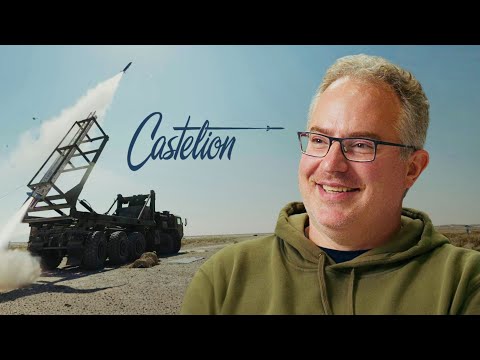
Bryon Hargis, co-founder and CEO of Castelion, discusses building hypersonic missiles to restore America’s deterrence capability against peer adversaries like China. After 12 years at SpaceX, Hargis founded Castelion to address a critical gap: the US has lost its ability to hold targets at risk with anything between economic sanctions and nuclear weapons. Hypersonic missiles solve this by going fast (closing vast distances quickly), going far (high altitude with low drag), and being highly survivable (difficult to intercept).
The conversation reveals how SpaceX’s iterative approach to hardware development fundamentally differs from traditional aerospace’s waterfall methodology. Traditional aerospace can take 5-7 years to reach first prototype testing, meaning engineers might only experience a handful of learning cycles in their entire career. SpaceX and the new wave of defense companies compress these cycles dramatically, learning faster than competitors through rapid iteration. Hargis argues that China’s advantage in hypersonics comes not from smarter engineers but from faster testing cycles - and that America can catch up by embracing similar approaches.
The interview also explores the challenges of starting a hardware defense company: raising money when defense was “anti-hot,” building a team aligned on mission, managing government contracts, and preparing to enter “manufacturing hell” as Castelion scales to production.
Highlights
”The US has lost everything in the middle between sanctions and nuclear war”
Clip command
yt-dlp --download-sections "*0:00-1:00" "https://www.youtube.com/watch?v=BiuTr1KyEOU" --force-keyframes-at-cuts --merge-output-format mp4 -o "BiuTr1KyEOU-0m00s.mp4"“The US has lost its ability to hold countries like China with some kind of middle ground of more than economic sanctions less than global nuclear war. What we’re really doing is giving an option to policymakers for something in the middle.” — Bryon Hargis, 0:00
”It was so traumatic my co-founder lost three months of his life that he doesn’t remember”
Clip command
yt-dlp --download-sections "*6:55-8:00" "https://www.youtube.com/watch?v=BiuTr1KyEOU" --force-keyframes-at-cuts --merge-output-format mp4 -o "BiuTr1KyEOU-6m55s.mp4"“It was actually so traumatic to one of my co-founders that he literally seems to have lost three months of his life that he doesn’t remember. I had to remind him because he was like ‘why are you lying to that person?’ and I’m like ‘what are you talking about? That was all the truth.’” — Bryon Hargis, 6:55
”If you’re looking for a different outcome, you need to do something different”
Clip command
yt-dlp --download-sections "*8:35-9:35" "https://www.youtube.com/watch?v=BiuTr1KyEOU" --force-keyframes-at-cuts --merge-output-format mp4 -o "BiuTr1KyEOU-8m35s.mp4"“If you’re looking for a different outcome, you need to do something different. If you’re doing something different, most people are going to think you’re nuts. I don’t care that everybody thinks we’re doing aerospace wrong. I don’t believe that and I think the results will speak for themselves.” — Bryon Hargis, 8:35
”My management style is like Jesus has the wheel”
Clip command
yt-dlp --download-sections "*14:18-15:20" "https://www.youtube.com/watch?v=BiuTr1KyEOU" --force-keyframes-at-cuts --merge-output-format mp4 -o "BiuTr1KyEOU-14m18s.mp4"“I’m not a micromanager. One of my co-founders said my management style is like Jesus has the wheel. You can trust people’s decision making if you’re all aligned on what the high level goal is.” — Bryon Hargis, 14:18
”Success in business has a huge degree of luck but being relentless is what you can control”
Clip command
yt-dlp --download-sections "*5:42-6:45" "https://www.youtube.com/watch?v=BiuTr1KyEOU" --force-keyframes-at-cuts --merge-output-format mp4 -o "BiuTr1KyEOU-5m42s.mp4"“Success in business has a huge degree of luck and you can’t control that. But what can you control? You can control being relentless. You get kicked and you get up again and you do it again. Not every try is going to be successful, but odds are one of them will.” — Bryon Hargis, 5:42
”Hardware, defense, only selling to government - the worst possible combination”
Clip command
yt-dlp --download-sections "*6:30-7:30" "https://www.youtube.com/watch?v=BiuTr1KyEOU" --force-keyframes-at-cuts --merge-output-format mp4 -o "BiuTr1KyEOU-6m30s.mp4"“When we started the business in late ‘22, defense was anti-hot. We’re not only doing defense, but we’re doing hardware. And then I hit them with the zinger when we’re only going to sell to the government, which investors love.” — Bryon Hargis, 6:30
Key Points
- Deterrence Gap (0:37) - The US has lost the ability to respond between economic sanctions and nuclear war; hypersonic missiles provide that middle option to policymakers
- What Hypersonics Do (1:22) - Three key things: close vast distances quickly (things move), go extremely far (high altitude, low drag), and highly survivable (hard to intercept)
- China’s A2AD Bubble (1:10) - China built up anti-access area denial around coastline making it hard to hold targets like Taiwan under threat
- Relentlessness is Key (4:45) - Success requires being willing to get kicked repeatedly; huge degree of luck in success but the controllable variable is being relentless
- Defense Was Anti-Hot (6:12) - In late 2022, defense was the worst time to raise - hardware, defense, only selling to government was the worst possible combination for investors
- Co-founder PTSD (6:55) - Fundraising was so traumatic that one co-founder lost 3 months of memory and had to be reminded it actually happened
- Breaking Into Entrenched Industry (7:22) - Not a meeting in the week without someone giving backhanded compliments or saying “you won’t make it”
- SpaceX Eye-Opening (12:30) - Everything beaten out of you in traditional aerospace (your instincts from college) turns out to be correct at SpaceX
- Apollo Era Not Done (13:55) - Apollo era is only done if you try to do aerospace the current way; SpaceX proved otherwise
- Waterfall is Broken (14:25) - Traditional 5-7 year cycles from requirements to first prototype; one learning cycle in 7 years makes it impossible to improve
- Programs Get Cancelled (15:20) - Most traditional aerospace programs get killed in design phase due to cost/schedule overruns before becoming real
- Why China is Ahead (16:45) - Not smarter engineers; they iterate quickly and learn, while US takes years between tests
- Cost is Labor (18:00) - Most aerospace cost is labor, not hardware; faster learning = lower cost
- Returning to Space (19:55) - Being part of returning America to ISS, capturing the flag; selling Starlink when it was just 10 test satellites
- Hardware Startup Reality (22:35) - Best if you’re rich already; $500K vs $5M doesn’t matter when you have tens of K; need to be strategic with capital
- First 3 Months Unpaid (22:15) - Team worked unpaid for 3 months doing analysis and trying to win early opportunities
- Personal Reputation (23:48) - When selling, you’re lending your personal credibility; people trust you even if they don’t fully trust the company
- Do What You Said (25:10) - Best business development activity is just doing what you said you would do; eventually converts skeptics
- Crypto to Missiles (31:42) - Running an Ethereum mine taught him to wire up the solar/diesel/battery system for their propellant shipping container
- Propellant Popsicle (33:00) - Early test: mandrel got stuck in propellant cast, had to burn it; explosion showed immense energy stored in solid propellant
- Cheap to Test (34:45) - Unlike space, hypersonic tests are cheap enough that failed attempts don’t threaten company survival
- Safety First (35:35) - Focus heavily on safety after seeing energy stored in propellant; goal is same number of fingers and toes going home
- Transparent Finances (37:00) - All employees know financial position, daily burn rate; it’s “our money” not “the company’s money”
- Teach How to Think (38:40) - Most important thing is helping people learn how to think about problems from a company-wide perspective
- Mission Alignment (41:05) - Ask candidates where they want to be in 5 years; if answer is just “manage a huge team,” they can do that anywhere
- Why They Joined (42:00) - At government meeting, had team share why they joined; hearing diverse reasons for caring about mission was most heartwarming
- Jesus Has the Wheel (42:55) - Management style described by co-founders; not a micromanager, trusts people when aligned on high-level goals
- Internal Fiefdoms Kill (43:40) - Big companies die from internal fiefdoms pulling different directions; too much time on politics instead of goals
- Co-founder Trust (49:20) - Like a marriage you can’t get out of; need someone who can tell you when you’re being an idiot
- High EQ Co-founder (51:05) - Sean has high EQ and tells Brian immediately when he’s screwing up; brutal but valuable
- Pay it Forward (52:10) - Founder network is incredible; those ahead help those behind, you pay it forward when you get there
- Focus Punches Above Weight (1:00:35) - 150 people punching way above their weight because everyone’s rowing same direction on limited number of related things
- Product Model vs Consulting (1:01:00) - Most defense is consulting/cost-plus model with butts in seats; Castelion runs a product model like Anduril
- Manufacturing Hell Coming (1:04:35) - Expects to live on production floor in ungodly conditions; already planning for first version being broken
- Plan for Unknown Unknowns (1:07:15) - Every schedule has 2nd or 3rd iteration time built in; doesn’t know what will be wrong but knows gremlins are coming
- Range Access Challenge (1:11:25) - Hard to get test range access when not prioritized as national level priority; configuration changes while waiting for safety review
- China Tests Constantly (1:12:45) - China is ahead in hypersonics because they test constantly; our process limits to few tests per year
- Desert Shrimp Problem (1:16:05) - Environmental survey found endangered desert shrimp that attract endangered owls; can’t build certain locations
- Aerospace is Cool Again (1:16:40) - Gundo bro movement, people want to build; huge shift from 2002 when aerospace had bimodal age distribution
Mentions
Companies
- Castelion (0:28) - Hargis’s company building hypersonic missiles for deterrence
- SpaceX (10:25) - Where Hargis spent 12 years; fundamentally changed how he views aerospace development
- Boeing (14:05) - Example of traditional aerospace approach that SpaceX proved wrong
- NASA (10:05) - Traditional 10-year program cycles; example of old waterfall approach
- Aerojet (33:30) - Told Castelion the stuck mandrel was “a rite of passage”
- Lehman Brothers (10:55) - Hargis had job offer in 2002; obviously didn’t work out
- Shell Oil (11:02) - Offered path through Nigeria, North Sea, then Texas; didn’t sound interesting
- Anduril (1:01:15) - Referenced as having more products than Castelion but similar product-focused approach
Products & Technologies
- Hypersonic Missiles (0:48) - Go fast, far, and are hard to intercept; “deterrence in a can”
- Starlink (19:30) - Hargis was selling it before even 10 test satellites flew; people laughed at thousands-satellite constellation
- Falcon Heavy (20:35) - First flight energized America for aerospace; kids screaming watching YouTube
- Solid Propellant (32:30) - What Castelion uses; requires immense respect for energy stored
People
- Bryon Hargis (0:24) - Co-founder and CEO of Castelion, 12 years at SpaceX, 45 years old
- Sean (42:48) - Co-founder with high EQ who tells Brian when he’s screwing up; has tremendous patience
- Andrew (42:50) - Co-founder at Castelion
- Elon Musk (17:25) - Set up SpaceX’s company, culture, and systems engineering for rapid iteration
- Brian Chesky (52:00) - Referenced for going to high-power people few stages ahead to learn leadership
- Jim (Castelion employee) (1:17:10) - Mentioned as saying building is cool again
Surprising Quotes
“It’s deterrence in a can.” — 0:50
“It was actually so traumatic to one of my co-founders that he literally seems to have lost three months of his life that he doesn’t remember.” — 6:55
“If you’re looking for a different outcome, you need to do something different. If you’re doing something different, most people are going to think you’re nuts.” — 8:15
“My management style is like Jesus has the wheel.” — 43:00
“I don’t care that everybody thinks we’re doing aerospace wrong. I don’t believe that and I think the results will speak for themselves.” — 8:45
“The pilot survives it, so clearly it’s doable.” — 58:35)
Transcript
0:00 The US has lost its ability to hold countries like China with some kind of middle ground of more than economic sanctions less than global nuclear war. What we’re really doing is giving an option to policy makers for something in the middle. If you’re looking for a different outcome, you need to do something different. If you’re doing something different, most people are going to think you’re nuts. I don’t care that everybody thinks we’re doing aerospace wrong. I don’t believe that and I think the results will speak for themselves.
0:28 This is Bryon Hargis and he is the co-founder and CEO of Castelion. Castelion is making hypersonic missiles. Do you want to just explain what a hypersonic missile is? It’s deterrence in a can. How’s that? Nice. Yeah. So, a hypersonic missile is honestly like I’m not kidding when I say deterrence. It’s deterrence.
0:58 So, some of the problems of the country are that like China’s built up a huge A2AD bubble, so kind of anti-access area denial around their coastline. And it’s exceedingly hard to get in far enough to launch an attack that could credibly hold like targets at, you know, under threat to deter them from taking like say Taiwan.
1:22 And so, hypersonic weapons really do three key things all at the same time. One, they close vast distances very quickly, which is super important because things generally move. They’re not static unless you’re attacking a building. I don’t care what my customers do. It’s their choice, not mine. You’re just an enabler. I’m an enabler. Yes. The fellas want to blow up a building, get the building. I’m all for it.
1:50 But it also goes extremely far. And so like that aspect is that it’s going extremely at high altitudes. It’s going very high where the drag is less which also helps it go fast, but that helps it go far. And so you can go far, you can get there quickly. And the last piece of that is it’s actually highly survivable, meaning that it’s hard for them to intercept the weapon.
2:18 And so all of that combines into being able to hold targets at risk to give back deterrence. And so what’s happened over the past several decades is the US has lost its ability to hold countries like peer adversaries like China with some kind of middle ground of more than economic sanctions less than global nuclear war which is a good thing.
2:42 Okay, so this is turning into Between Two Ferns. I like it. So you go between the two and like the US has given up everything in the middle. Like that’s the problem. So what we’re really doing is giving an option to policy makers for something in the middle like a stronger response than economic sanctions less than like ballistic missiles. Less than Japan. Yeah. I don’t even know what that means. Less than Japan. Well then we use nukes. Oh yes. Sorry. I thought you were offering China Japan. For all your Japanese listeners out there, they should be…
3:25 Maybe we should just talk about how we started the day and why we’re so punchy. So, I woke up at like 4:20 a.m. this morning and thought to myself, why am I doing this? Is this even going to like happen? You invited me on a very interesting excursion. You want to just go off of what that was?
3:46 Yeah. So, Sunday morning is driving morning. And so, what day of the week do you get up the earliest? Sunday morning on the Lord’s day. On the Lord’s day, what would Jesus want? 100 miles an hour in the Angel’s Crest. There you go. Yeah. So, you get up early, you beat traffic, you cross town because I’m an electric piece of shit. We have to charge. So, we have to get up even earlier to get there to charge so that we can then drive a 100 miles, very spirited, all legal, highway miles, and hang out with the boys.
4:28 And just hang out with the boys. Yeah. In a factory. Yeah. In the factory. Nice. Yeah. There’s good people. Yeah. You talked in the car you said that like teasing out relentlessness is the most important thing for I think at least the sales people that you’re hiring but just in general like what about like being relentless is so important to you?
4:52 You know I think when you look at like a relentless personality if you’re in sales like you go stop to stop you get told no 50 times. If that’s going to deter you, you’re not built for sales because you’re just going to like getting kicked is like what sales is. So, you get kicked till you get to a yes and you can’t give up.
5:12 But if you want to look at like what is success in any capacity or starting a business, what does that look like? Like relentless. Because most likely, not in all cases, there are a few lucky exceptions. Like most cases, like you’re going to get kicked multiple times before you even get it started. Then you’re going to get kicked when you get it started. Then you’re going to continue to get kicked as you’re going. If any of that deters you, this isn’t the lifestyle for you. It’s over.
5:42 And so my personal view is that like success in business has a huge degree of luck and you can’t control that. But what can you control? You can control being relentless. And the old adage of like make your own luck. So you get kicked and you get up again and you do it again. Not every try is going to be successful, but odds are one of them will. So like what’s the most important hallmark of a successful person that or has like the the tenacity to have success is they need to be relentless. I think that’s the most important thing to screen for.
6:18 Do you want to talk about like I think you said that you’ve basically been doing this for two and a half years now or like since the company started. What have been the biggest moments where you were getting kicked?
6:30 Well, where to begin? So, when we started the business back in the end of ‘22 like defense was not hot. Anti-hot. It was the anti-hot, you know, and I bring a lot to the game as you can see. Who couldn’t give you money? Yeah. Who who didn’t want to give this guy money real?
6:55 But it wasn’t going well. And then you’re over here and like we’re not only we’re doing defense, but we’re doing hardware. And like you draw like the Venn diagram of like hardware’s over here on like the very hard side to raise money for. And then I hit him with the zinger when we’re only going to sell to the government, which investors love.
7:18 So, you know, getting kicked relentlessly. I actually thought that I had left my job at SpaceX to be… It’s really hard to look at that face and not laugh. So, I thought we were going to be unemployed. It was actually so traumatic to one of my co-founders that he literally like seems to have lost three months of his life that he doesn’t remember. I had to remind him because he at one point I was like recounting the story of like relentlessly getting kicked again and again and he’s like why are you lying to that person and I’m like what are you talking about? I didn’t lie to anyone. That was all the truth. And then I had to recount it to him and he’s like oh that did happen. I’m like where were you?
8:02 So but the kicks haven’t stopped coming. I mean breaking in like to kind of an entrenched business and industry in aerospace in particular which is like very set in its ways and then doing something extremely different and then having the audacity to try to do something big like you get kicked by everybody including our main customer. Like there’s not a meeting in the week that you know someone doesn’t hit me with a zinger of, you know, backhanded compliment or you won’t make it or that’ll never work or this or that.
8:35 It’s tough. Honestly, it’s tough. I would assume that like anybody that’s doing, you know, if you’re looking for a different outcome, you need to do something different. If you’re doing something different, most people are going to think you’re nuts. You have to be okay with, you know, them throwing rocks at you. Like, that’s just that’s what the job is.
8:55 So the only person though that you need to be happy with is yourself and the team. Like I don’t care that everybody thinks we’re, you know, doing aerospace wrong, but I don’t believe that. And I think the results will speak for themselves in, you know, anywhere from one to seven years. We’ll see.
9:15 Was that the kind of thing that you went in or the mentality that you went in with or has that shifted? You know, I definitely like knew that this would be the experience and some of the response. I was actually hopefully optimistic that you know with our approach for how we were trying to enter defense manufacturing that maybe we wouldn’t hit the same like type of resistance I’ve seen previously. Turns out I was wrong. Completely wrong. Total dumbass. It’s actually been worse than I expected. So, you know, from that aspect, like, who doesn’t love a good surprise?
9:58 When you’re re-evaluating looking forward and trying to predict the future, you know, ideally you’re less wrong than you were in the past. Are you expecting it to just get harder from here? I’m 45 and I’m always expecting it to get harder from here, you know. All right, cut.
10:18 Yeah. No, I think so, you know, I think as the size of a business scales, like the number of headaches only grows. Like I don’t know if people think like if you become the boss, you just come in and like skip across the factory floor on like gumdrops and rainbows, but it turns out like it’s mostly crap that floats to the top that you get to deal with all day and then spreadsheets then email.
10:42 So like you get to be the chief unfucker. Yeah, I think that’s a good way to put it. I do a lot of delegating to our other co-founder who has tremendous patience in ways that I don’t at all times. So you know I’m relying on the team. But I mean truly like we come in and you know whatever the challenge is today whether something technically didn’t go right or whether like you know something’s happening with like customer like the contracts like all messed up or Congress didn’t pass a budget and therefore like all our plans are on hold.
11:18 It really just comes down to like you just adapt with the team to do the best you can. But like in my view, you got to enjoy the journey cuz like I think like there’s this fallacy of thinking like oh it’ll get better soon like we’ll get out of this. And it’s like to be honest it’s just going to keep on like getting more complex and stuff. Yeah. I think that’s like completely false to think like somehow like next year is going to be better. Like no, next year is probably going to be more fires and it’s going to be something we didn’t expect. Otherwise, we wouldn’t have gotten ourselves into that position, you know.
11:55 But it’s all about how you respond to it. So, I think like you build a great team, you empower individuals to like use their best judgment. If that best judgment turns out to be horrific, then you might need to make adjustments, but in general, enjoy the journey with the team that you’re with.
12:15 How are you trying to find people that are like very flexible but also extremely hard driving? Passion for the mission. It’s honestly like, you know, one of my favorite questions is to like ask folks like where do they want to be in five years? And if it’s and I don’t mind like if their answer involves like some type of like personal growth and journey, but you also get a sense of like why are they doing this and what do they want to see? And if the only answer you get back is like, well, I want to manage like a huge team of people, you can do that anywhere. But like someone whose motivation is that is not going to necessarily want to grind with you in the ditch.
12:58 And it turns out that most of like building a business is grinding in a ditch. So you damn well better be happy grinding with them in a ditch. And I think like getting like that motivation of mission. So like you know one of the most inspiring things that that in my opinion has happened to us recently. So we had like this giant government meeting and we went through kind of like our team’s intro for like most of the engineering leadership of the company, supply chain, just huge swath of the company. And the one thing I asked folks to do was tell everybody at this meeting who they were, what they do, but also like why did you join our company.
13:40 And like hearing the responses back for at like they could have joined somewhere else, they could have done something else, so and so could have paid them better, they could have started an AI company and be worth like a hundred billion in 3 weeks. So it’s really it’s just hearing the responses to me that was like the most heartwarming thing is just like working with people that care so much all for their different reasons and that’s cool. But like we all care and like I’m much you know it’s much easier to give someone latitude to use their best judgment when you know like at a high level like you’re super aligned.
14:18 So like give them the ability to go do their thing. Like I’m like my co-founders would laugh at me cuz like I’m not a micromanager. One of them said like my management style is like Jesus has the wheel, which is apt given this morning as I’m hanging on for dear life as we’re going like a hundred around turns.
14:45 Yeah. What would you say about the turns? Just like what was a… I said uh I don’t know something about gripping the Jesus handle. Oh yeah. Yeah. That’s what it’s there for. You got to wonder about a car maker that didn’t put one on the passenger side.
15:02 But, you know, I think like you can trust people’s decision making if you’re all aligned on what the high level goal is. And keeping people aligned to that is super important because of course like if you’re fighting yourselves internally, which a lot of big companies in my opinion like this is like how they die in the long run, is you get too many fiefdoms that are like pulling at opposite directions and going different ways and they have too much time to just instead of focusing on like how are they achieving whatever their vision and outcome is, they’re over there like making sure you know Sally’s career isn’t like she’s not hitting ahead and she’s not going like there’s just too much time for shenanigans.
15:45 It’s a whole situation of like unaligned vectors in the organization. Yeah. As Elon says like your org is just like the summation of all the unit vectors and you want them to be pointed as much in the same direction as possible to get the most done.
16:05 You are like an ex SpaceXer and what have been like the biggest things that you took from SpaceX to building this company?
16:18 When you start you come out like you go to like you go get your undergraduate degree at a very traditional path and then you start your first job and I had like different paths. Like I had a job offer from Lehman Brothers. I’m sure 2002 it would have been fine. I’m sure for at least a few years. You would have been able to ride that. Yeah I’d be like so rich.
16:45 And then I got an offer from like Shell Oil and like Shell Oil’s progression was like first you’re going to Nigeria and then you’re going to the North Sea on an oil rig and then we’ll send you to Texas. And like as a single guy that was like sounds like a good deal. That you were going to pay you a ton but it’s just like oh that sounds not like interesting.
17:08 And then there was like I had a pathway into defense which was for me like what I was most interested into by far the lowest paying. They couldn’t even tell me. I did the job interview and they couldn’t even tell me like what am I coming to work on? They couldn’t tell me. So, talk about a leap of faith. It’s like I mean they had an optics lab. They had like cool things on the table and no idea what they were doing. But I was like, you know, I have like lifelong passion for physics. So, I was like, this is what I want to do. This is what I care about.
17:45 And so, you know, going into that job, you come out of school and you’re like, “Here’s how I think I should approach my first problem.” And the most like the senior engineers like come over and like just absolutely club you to death. And like that’s not how aerospace engineering is done. And then you’re like, “Oh, okay. I guess like college is useless.” Like they didn’t teach me shit apparently.
18:15 And so I come out and like everything you’re doing is wrong and then they teach you how to do aerospace in quotes and you’re like this is the most asinine process I’ve ever seen. That’s totally inefficient. Are we sure this is how it’s done? And everything, you know, like the approach is so slow, is so risk averse and the moment you deviate from that like somebody with like vastly more experience than you that you don’t really feel like that you can argue with is just beating you down like that’s not how it’s done.
18:52 And of course being like you know 21 you’re just like oh I guess I don’t know anything. Well at least for me some people are… Some people are like fuck that. Fuck that I’m right. Like yeah I try to always take like feedback like maybe you’re the one that’s wrong. Maybe. Unless it’s my wife. But that one’s hard to swallow, but she’s usually right. She won’t watch this. She probably won’t, so I can say it. I’m safe. We’ll see. She’ll tell me that I said that if she receives this. So, like, we’ll probably go another decade. We’ll see. But, we love each other very much.
19:35 So, the you get beat up and then pretty soon like you’re in the system and now you’re beating up the new guy. So like to the point of your question like what did SpaceX like was eye opening like everything that you came into like the aerospace industry thinking like this is how you should do something if you don’t want to be stupid. That’s what SpaceX does. And it turns out it works great.
20:00 So everything that you were like I thought we should do it this way coming out of school and then like the like it was just beat out of you like absolutely beat out of you for a few years. You’re just getting schmacked for like 10. I was in there for like 12 years. It’s just like schmack schmack. You’re an idiot and you’re like I guess I’m an idiot. So pretty soon like you’re beating up the new guy and teaching them to also do it this way.
20:30 And like I think like the biggest falsehood in all of aerospace is like the Apollo era is done. Apollo era is not done. The Apollo era is done if you try to do aerospace like it’s currently done in most places today.
20:50 Do you want to just explain how aerospace is typically done? Think of extremely so everybody does like the system engineering process where you’re given a problem. You break it down into like if I’m going to solve this problem, I’m going to have these requirements. Then you break those down to like okay my missile needs to do these high level goals. I now therefore break it up so that like my avionics need to do this, my rocket motor needs to do that. You decompose it to like low levels. Then you start designing something to like meet those goals. And then you do analysis to like verify this and validate it as you go up the other side of like the systems engineering V.
21:32 And that process generally takes like 5 to seven years for anything of any reasonable complexity. You get to the end of seven years, you finally build your prototype of your thing and you go test it. It blows up or it just does something stupid or like you know Jerry left the remove before flight pen in just like falls into the ocean like absolute dumbness. But like not to say that like Jerry is a dumbass we all are at our time. But like it’s just process that’s if you don’t get to practice or do something but once every seven years you don’t get one learning cycle in how is anybody like we’re all human like nobody means to make mistakes takes nobody means to design something suboptimal.
22:18 But how do you get good at something if you can’t like learn and iterate? And if your process takes seven years, like in like the reason I left traditional aerospace is damn near everything that I worked on got cancelled before it became real because it’s like it gets killed in the design phase cuz is moving so slow and like there’s cost overruns and schedule overruns and so only the most important of important things actually get funded to like through to completion and takes forever.
22:55 And so you have people that come out of school and like will work on one subsystem of one part for one program and they’ll do that for like eight years. How do they become like an excellent engineer if that’s all they get to do and they don’t even get to take it like through the full life cycle?
23:15 So like SpaceX’s approach is like going back to what worked in the Apollo era, which is you just do that same exact process, but you do it under much shorter cycles. And you just do it again and again and again. And so not only do you get good at understanding what the real problem is, and when I mean like the real problem, like engineers are programmed to worry. They worry about everything. And you can spend a lot of time like worrying and analyzing something that actually turns out does not matter. Doesn’t matter. It’s like not a problem. You didn’t know it wasn’t a problem. Hence why you were worried about it.
23:55 And so you can actually find out not only what works and what’s good and how to make it better, but you can also learn what you don’t need to worry about. Doesn’t matter. Don’t think about it. Move on. Stop thinking about it.
24:10 And then you also learn like production because you’re usually building this hardware. You’re testing it and like in software realm this has a name. It’s like agile or whatever. So it’s like obvious, but for somehow we’ve lost this in like hardware aerospace. Like I don’t know how we lost this, but I think I know the motivations for how we got to here.
24:35 But you know fundamentally you get so few cycles and so few practice and you don’t practice building the hardware and everybody just designs stupid shit the first time through like you don’t mean to. Like you know I showed you that 3D print I made earlier today. It’s going in the trash can when I get home. It’s just like you got to it takes multiple tries to get really good at something as you would expect being human like learning to ride a bike. You’re not just going to pop on it and wheel off in the sunset. It’s the same for like designing anything.
25:10 And I think like to have a truly great product, truly transformational thing and to be like ahead of the world at something, what’s most important is not that you can sit down and design it like in one go and be the best, which is like what the current aerospace model kind of is. It’s really how can I learn faster than anybody else? And even if I am not the best at making this hardware today or I don’t fully understand the problem like some deep subject matter expert in some company does, if I can iterate and learn faster than they can, just by like the math of that given some time I will be best in the world at this.
25:52 And that is you know in my mind what’s so scary about like what China is doing, what Iran and North Korea are doing. Because they frankly can’t afford to do aerospace the way we do aerospace and they iterate extremely quick and they learn quick and so even though we all make like we were making fun of the North Korean missile program. Everybody was like media not not like me personally. They iterated till they got something to work and then it became scary.
26:25 And in my view like clearly anybody that’s allowed the opportunity to iterate and learn something is going to get there. It’s just a matter of how many tries. And so like the most eye opening thing about SpaceX was setting up the entire business, setting up the entire culture, setting up all the systems engineering, setting up all the prototyping and production that you can go through those iterations quickly within like the lifespan of an engineer at work so that they can learn and get better, that they can teach other people good behaviors, and that you can do it quickly enough so that it’s inexpensive enough that you can learn.
27:08 Cuz like the other big part about aerospace is a lot of the things that you do are actually very expensive. It’s like hundreds of millions of dollars for a single test. Exactly. Now when you look into that, most of the cost is actually labor. It’s not hardware. And so like SpaceX, you know, for a while there was blowing up stainless steel like it was going out of style in Boca Chica. But that’s not the major cost. Like the major cost is all the people working the program. And so the faster they’re learning, the faster you’re getting through development, the lower the cost and you’re setting yourself up where you can do those iterative tests and afford it.
27:50 And I think like that in my mind leaving being at SpaceX and seeing how well they executed on that and how everything you thought was probably the way to do it coming out of college that was beaten out of you was actually in fact correct. That was eye opening and I think that having just a very small role with my contributions like with what success SpaceX had but seeing that firsthand of returning America to the ISS, capturing the flag.
28:25 You know I was out there selling, hustling Starlink before like when we were before we even flew the first 10 test satellites and to tell people like, “Hey, we’re going to have a constellation of thousands.” And like, I mean, people just no one had ever done that. Oh, no. They would just laugh at me. Yeah. Just laugh.
28:45 Cuz they didn’t see cuz it’s not that those folks are necessarily wrong cuz like in the traditional aerospace model, I would agree with them. You could not do what SpaceX did in the traditional aerospace model. So they’re taking some model that basically hasn’t worked and they’re overlaying that into a company that doesn’t actually operate that way. So in a world where you are unwilling to change like how you approach the problem, correct? You’ve maxed out. You can’t do this.
29:18 And SpaceX and Elon specifically and how he set up the company and the culture like honestly incredible in terms cuz like everybody was calling SpaceX stupid for how they did things and it’s only a matter of time before they fail.
29:35 Do you know when that kind of perception shifted? So I started in 2017 and I feel like it hadn’t fully shifted then. There was still like this feeling on the launch side especially that like they still hadn’t made it even though you know they were rapidly coming up to the same number of flights that Atlas had. And on the satellite side it was like it was all on paper and so nobody believed that was actually going to happen. So maybe it came into its own like 2019, 2020 like sometime around there that you could see like a shift.
30:10 The Falcon Heavy first flight and like I think what that did to like energize America for aerospace. Like I remember my wife taught preschool and she was with like these little kids in her class and they’re all tuned into the YouTube of the Falcon Heavy launching and she just took a video from the back of the classroom and like these little kids just like screaming and cheering watching that thing. I mean, it was absolutely epic.
30:42 And I think that another huge benefit and outcome of what SpaceX has done for aerospace besides just showing like hey this other model if you employ it can achieve great gains was also just getting the next generation of interested kids to come in excited and inspired. Yeah. To come do aerospace because like in 2002 when I joined up to aerospace I mean it was like a bimodal population. It was like you were either like my age and like I don’t know like people are questioning why did you go to like aerospace and defense or you were like 55 and above. There wasn’t much middle ground.
31:22 In fact, that was one of the things that was talked a lot about in the industry at that time was like how are they going to find new engineers to come want to do aerospace and defense and like you don’t see that anymore. Like SpaceX, I think single-handedly crushed that and getting people interested in space again and wanting to be part of it and going to school specifically with the goal of working for SpaceX, working for somebody else that’s doing something that they’re passionate about. But like it became cool again and I think that is a win for America.
31:58 How did you take that approach when you left SpaceX and you were thinking about starting Castelion? How did you try to basically minimize the number of days between starting the company and initially getting that little bit of capital to go and actually launch the first rocket and get that test iteration loop going?
32:18 So, the hard part about starting a hardware business, you either need to be rich already and come with your own money. That’s really the answer. It would be best if you’re rich and come with your own money. It was incredibly hard to do any kind of real meaningful prototyping because the magnitude of the dollars just to get started to do anything to show anything that wasn’t like a gimmick was extremely expensive.
32:45 Is that like on the order of like tens of millions sort of thing? You could do it for a little less, but like if you have tens of K, does it matter if it’s 500,000 or 5 million? Doesn’t really matter. Like, you’re looking at the bank account and what do I do? Yeah.
33:02 So we put together a team of folks that initially everybody was just unpaid with a plan of like it’ll convert to full-time employment as soon as we could raise any money. And so we went 3 months with damn near nothing just working on analysis and design and the early things and trying to win early opportunities. Yeah, contracts is a strong… something, some semblance of income. Yeah, exactly. Cuz like even when you’re beginning and you’re starting out, even the smallest amount of a win is huge. Whether it’s for showing investors traction or just having a tiny amount of cash to pay people or do something. It’s truly huge.
33:48 So did a lot of business development efforts and luckily having been in this business for a very long time it was possible to get some folks who didn’t necessarily know anything about Castelion but they knew me. And I think like if somebody knows somebody it does count for a lot because they know if you’re a serious person or not and whether they’re willing to give you a chance.
34:15 Cuz I think that’s the other thing that people can forget about like when you’re selling something to somebody like yes you are selling the company and you’re selling what the company can do but a lot of that is also riding on that person’s personal reputation. Like that person is basically lending their reputation like hey I’ve never screwed you over. All this built up trust over the last like I mean how old are you right now? Old. Okay. So like let’s say 42 years or something along those lines. Generous. Thank you.
34:50 So yeah I mean like you are lending your credibility to whoever you work for because people know hey I know Joe. Joe would never lie to me. Maybe I don’t fully trust what the company is hawking, but I know Joe wouldn’t be there if he didn’t believe it. And that does matter.
35:10 How did you try to like I imagine that even if people do trust you or at least some people trust you, it’s still a big question of at some point like the trust kind of does run out and you have to show the traction. And so like I imagine that’s like constantly running in the back of your mind as you’re working on that 3 months.
35:32 Eventually everybody gets to Missouri. So, you’re going whether you like it or not. Unless you’re an AI, then you get a very long leash.
35:45 Yeah, the I think like whatever I always tell people here is like the top business development activity we can ever do is just do what we said. And it’s kind of funny like no matter like there’s just like obviously you want to push on the team and you want to tell them like hey we need to get this done by this date and it’s got to be a hard date because like people’s schedules will expand to fill whatever time you give them. So you need to make it aggressive even if you don’t personally believe like hey we’re going to hit that date exactly but you can’t back off of that. Everybody needs to be pushing for that date.
36:22 And so even if you do something that people didn’t think was possible and you do it with less money and you do it faster than anybody else has ever done it, but yet you are now one month later than the date you set. People just hone in on like, well, you were late. And that’s fine. It almost seems a little bit like the Elon situation where he says, you know, he’s in the business of basically making the impossible late. Yeah. So it goes from something can’t be done to we just didn’t do it on time.
36:55 I mean at that level of success like he doesn’t have to listen to what anybody thinks. I know but he only recently got there. Like even like as of a few years ago, there was a lot of I think even today there’s a lot of people that are very negative. Oh, still are. Yeah. Still are.
37:12 And so, but there’s like enough of a built trust that people are willing to give them the cash. And when it comes to like getting cash, it’s like doing what you said and then executing and then showing that you executed. Yeah. And then having that payoff with like market validation, then getting cash is easy. So, like it’s kind of funny like if you’re having tons of success like people will just try to shower cash on you when you don’t need it and if things were tough and you really needed the cash like you’re not getting it. It’s the whole situation where everyone wants to loan money to the guy that doesn’t need it. Oh, exactly. Yeah.
37:50 You get invited to things and free food and it’s like I could pay for my own food. Thank you. But if I was like literally hungry, they’d be like, “Ah, you don’t belong here. We’re not giving you a free meal.” Not at the door. Please get out.
38:08 Do you want to talk about like what aspects of running this company are really fun for you? I like when I have the time and when I’m allowed to, I really like working through some of the technical problems with the team. I also like the field testing, like getting out there and doing a launch campaign or acting as the company’s electrician. Not kidding. Just get out there and mess with stuff.
38:40 Part of like the benefit of like having run like an Ethereum mine is like I can harness some electrons. Wait, are you telling me that there was an application for crypto and it was hypersonic missiles? Understanding how… Well I know I’m joking but like it literally is. Like so when we were starting out we were mixing propellant out of a shipping container that was like solar and diesel powered with like battery backup and so I was the one out there wiring up the inverters and like homebuilt battery and wiring up the solar array with the guys on the roof all while not getting electrocuted or creating a fire. It was good times.
39:20 Okay, tell me about that story. Like let’s definitely go into that. Early tests mixing diesel. Let’s go. So yeah, obviously the act of mixing propellant, it’s like a hazardous activity. We don’t do it here in Los Angeles, a bunch of hydrogen, just big tank of hydrogen in the center. We’re using solid, so at least it’s not like an explosive gas, but it’s still not as safe as SaaS software. SaaS is dangerous for different reason. You can end up with carpal tunnel or something, but you know, doesn’t blow up a neighborhood. Oh, yeah.
39:58 Honestly, like I think one of the surprises for me in working with solid propellant is getting a healthy respect for how much energy is contained and how quickly it can come out when it’s angry. That was eye opening.
40:18 When did you first realize that? Like for example we had like this is a rite of passage apparently. We had some Aerojet guys tell us this, but like we got the mandrel stuck in one of our casts. So the mandrel is like what forms the central perforation of like the motor core. And if you don’t use the right release agent on it, it just bonds itself to the propellant, which is basically comprised of rubber.
40:48 And so we went to pull the mandrel out. We literally extracted the propellant with the mandrel like a propellant popsicle. And then the only safe way to get rid of propellant is to burn it. So it wasn’t like a failed test, but it was like, “Okay, we’re going to burn this.” And it was like a half propellant popsicle with like part of the popsicle still in the can, in the rocket motor case.
41:15 And when the fire managed to wedge itself up between the case and the propellant and it exploded, it was a beautiful fireworks show and any thought that like oh could you run away from an accident? No, not a chance.
41:35 So how did you do this safely? It’s kind of funny like we actually restrained it to the ground because some of the guys who had done this before like if you don’t restrain it to the ground it literally like the force of like trapping the gases between the wall of the case and the propellant would cause it to go somewhere. And so we literally strapped it to the ground. It still managed to shove itself multiple feet into the dirt when it went and fire everywhere. It was incredible.
42:08 So that was like… Okay. So, and how early into the company did you have this experience? Oh goodness. That was like just a few months in. So this was one of the early tests.
42:20 Was when you first started was a little bit like the SpaceX situation where you had a certain like very little cash at the beginning but then even after having a little bit of cash was it you only have a few attempts to kind of get things right?
42:38 Honestly this has been one of the great reliefs of not doing space. In space that’s like generally completely correct. You got a couple tries maybe three or four at best and you are toast, out of cash. So if it doesn’t go right in that amount of time, you are cooked.
42:58 What we’re doing is honestly so cheap to go test that it’s never been a fear of how many tests are we going to have to do and they have to go right or we’re finished. It’s really been a case of metering out growth, like how quickly are we going to hire, how quickly are we going to build and get out of this propellant shipping container in the desert and get to a real building.
43:22 Like even when you do your series seed, you can barely afford a lease for a real building cuz it’s like that’s going to be a significant fraction of what you have. So, you have to be very careful in how you spend. So certainly those challenges were the same, but it was relieving to think that we can have many failed motor attempts with basically inconsequential… the consequence again like per usual with aerospace is getting to market validation, getting to technical progress before we ran out of money due to labor.
43:58 So it’s like how fast can you go do testing while of course keeping it safe cuz once you just see the energy stored in these things gives you a very healthy appreciation of how particular and safe everybody has to be. You do not want an accident. And that is one of the things that we focus a lot on is safety and keeping people safe and what are the procedures and checklists etc. So, it’s really just making sure that everybody goes home with the same number of fingers and toes they came to work with. That’s the general goal.
44:35 Do you have the same philosophy where I think especially in the early days of SpaceX, Elon would kind of come and tell people each day I believe that they delayed or didn’t make some milestone happen, it was effectively like 10 plus million dollars?
44:52 Yeah. We actually I think we’re very forthcoming with our finances. Like we’re much I think we’re much more open than most companies. So like all of our employees know our financial position cuz I think if you’re going to treat them as adults and you want people to have the same level of knowledge of how much runway do we have it shouldn’t be hiding a problem from them like I share that with them.
45:20 And I think that actually like we’ve never had a tough time, but if we were to be having a tough time, the fact that I’m being honest with everybody about exactly where we stand and what the risks are, they could judge for themselves. I actually think would pay dividends. So part of that metric of what we share with folks on like a monthly basis with the finances is what is the daily burn rate?
45:45 And we look at that from a perspective of I want folks to be judicious with their spending. I want them to think about what they’re doing because you can go buy a mill or something. I can’t turn that thing back into salary. And so I let them know like this isn’t my money. This isn’t the company’s money. It’s our money. And when we run out of our money, none of us get paid.
46:12 And so everybody knows that number of what the burn is per day because I also don’t want them to be so frugal that we’re making stupid choices like if we’re going to delay a test event by a week, what’s the cost of delaying a week versus just getting it done. So everybody knows our burn rate so that they can make an educated decision of what they think we should do.
46:38 And we try to make sure like in that monthly update that we actually give a broad overview. But I think the main thing to try to get across to our team and our employees is how to think about the problem and teaching them like it’s not just the CFO’s job to worry about this. It’s everybody’s job to think like this. Sure. I would expect that the CFO knows more than engineer A, but I want everybody to have this frame of reference in mind and how to strategically think about spending money versus the alternatives.
47:18 And I think that again this gets back to I think one of the most important things that you can do in a business is make sure you’re not just giving out job responsibilities but you’re really helping people learn how to think about a problem. Not to say that I know how to perfectly think about every problem, I’m always learning myself and taking feedback, but I do think that sharing what is typically executive level thinking with all levels of the team is super important.
47:52 And it’s not because they can’t understand that. It’s because they’ve never had anybody come show them how to think about the problem like this from a company-wide perspective and not just their own perspective of hey I’m supposed to get this done by Tuesday and that’s what I’m doing. I want people to actually think about the strategic level as well.
48:18 And like we run our weekly schedule updates. A lot of times they can be very tactical with what’s going on here and there this week. But I also try to bring back what are we not doing today that if we don’t start we’re completely screwed in like six months. Something that you’re just not going to fix in a day. And trying to think through those things as a greater team. Certainly that’s what I spend a lot of my time thinking about but I don’t see everything. Just making sure that other people feel like they’re empowered to bring up what the possible issues are is important.
48:58 Are you trying to basically just share the information or the necessary information to help people understand how you guys are moving as an organization down to the finest things so that they can make the right calls individually?
49:15 I think the most important thing is to share why. Here’s what we’re doing. Here’s why we are doing it. Here’s what the decision process was. So that they see the example of that. And the way that they will improve and be able to lead one day is through that iterative experience. And so they have to be trusted to start somewhere. You have to give somebody a chance. You have to expose them to it.
49:45 So, making sure that they know why the business is making certain decisions. Like I actually think we’re a very open company in terms of talking about everything that’s happening in the business, talking about our finances, talking about what’s happening on the business front, talking about what I think is the most important at our all hands meetings. I hope people value it.
50:10 They do or else they probably wouldn’t be here. It’s kind of funny like so as you become like I’m a very affable person till I’m not. I haven’t seen Killer Brian. No, I feel like I’m very easy to approach and I’ll find people that are scared to tell me something or I said something in passing at a meeting and they took it as gospel and they’re just doing something that makes no sense because they didn’t want to come back to me and tell me, hey boss, that’s dumb because of X.
50:48 And so one of the strangest experiences of running a company is making sure I don’t say something that has unintended consequences with people going off and doing something stupid because they didn’t want to tell me I was being an idiot. So having healthy feedback loops through the company that don’t always just come directly back to me I think is truly important. But that’s been interesting at times.
51:22 How have you kind of fostered that cuz I know it’s very difficult especially as companies scale and you start to have many many employees and people aren’t just interacting with you every single day. People probably become a little bit more naturally because you’re this authority figure they kind of even if you don’t mean to live a little bit in fear of you don’t want to piss off the boss kind of thing. How do you help keep that information cycle and flow going?
51:52 I mean there’s a couple ways. So like there’s talking to folks in unofficial capacity like hey I’m not here to interview you or have an official sit down meeting but just catching people eating, taking a break, just talking to them. I used to try to actually go out and have happy hours with the team and lunches and it is freaking impossible to have enough happy hours and lunches. I’m also on the road a lot so it’s very hard to make that work.
52:25 But and then having direct… my co-founders Sean and Andrew… one of the things that I truly value in Sean is that he lets me know when I’m screwing up immediately in no uncertain terms how much I have disappointed him. And I value that. I truly do. It is brutal at times, but I know that I’ve disappointed him and he will let me know usually immediately. I like to pay it forward and do anything I can to embarrass him or make him feel uncomfortable. I also just relish those moments.
53:08 But it’s all honestly healthy. Like you got to make sure like people talk about do you want to be a solo founder or have co-founders. I can’t honestly imagine trying to do this alone and that goes beyond just the three co-founders but just having a great team at all levels. It’s just so freaking tough and I’m not the best at everything.
53:35 I know that. We made a very conscious choice of let’s make sure we have the right mix of skills in the initial team to make sure that my gaps are covered, my blind spots are filled and the folks that are in those positions aren’t going to be too shy to tell me like, “Hey boss, you’re doing all the wrong things.” Like, we have to be able to talk really honestly to each other. It’s like a marriage, but you can’t get out of it. So, it’s… it’s like a marriage, but any breakup is a lot of money. It’s terrible. So, you need to pick who surrounds you extremely carefully. But communication and trust there’s nothing more important to that. I just can’t imagine like there’s a lot of solo founders out there and good lord. I’m chewing the glass. You chew the glass. You’re chewing that glass alone. Yeah. So some days I just throw my serving of glass to someone else and I go home.
54:35 When you were starting out the company, how did you think about deciding to have even if you are going to have co-founders, you have to trust them on a very deep level or else you wouldn’t be giving up a big chunk of the thing that you’re going to start. It’s basically like the whole vectors alignment thing. How did you find two people that were similarly aligned to you?
54:58 I think it’s super helpful to know them beforehand. In my case, I had worked with them for a long time beforehand. They had plans to go do other things. One of the things that happens at any place with regular vesting is every vest date, everybody who’s potentially leaving will sus other people out who are potentially leaving and be like, “Hey, what are you doing? Here’s what I’m doing.”
55:28 And so through that process of sussing other people out, it became very apparent to me that it wasn’t a plan to form the business with these specific people, but it became very apparent to me the value of who we could potentially start the business with. And you don’t know if they’re going to join you or not. So in those guys’ cases, they were planning to do other stuff but shared the vision with what I was planning to do and it spoke to them. But I knew who they were as people.
56:02 And I think that I knew Sean would tell it how it is. And so for me personally, that’s who you want right by your side is someone who can tell it like it is. I can’t think of anything more important than being kneecapped if you’re riding too high and telling you when you’re screwing something up cuz if you listen to everybody, you’re screwing something up 100% of the time. That’s not healthy. You need somebody that you trust to tell you when you’re screwing something up that needs to probably be corrected that you can’t see. That’s a blind spot. I don’t think anybody comes in thinking I’m screwing this up and I don’t care. But it’s really just having somebody that can point it out to you.
56:45 And I think that ability to find the right set of people that you’re going to go through trials and tribulations with, you’re going to go through a decade of digging the worst ditch in the world with as well as the best highs. It needs to be a set of people that you can depend on. And if you screw that up at the beginning, it’s bad.
57:12 Same with your investors, honestly. When you get hitched in a way that’s very hard to unhitch. And so you have to be very careful with who you work with. It’s really important that it’s not just about the money. It’s about do we share visions? How are we going to do when disagreements… how do we handle disagreements? Cuz they’re a different person. You’re going to disagree with them at times. How are you at getting through something with them? Do you trust them? I think that that’s critically important as well.
57:42 Sometimes in an act of desperation, you just have to do what you have to do and just do something for the money. Have you ever felt that throughout the company’s history? No, not at Castelion. Past life at another small business we got forced into a very suboptimal situation to kind of avoid a hostile takeover of sorts and very much driven by bad investor behavior and that’s never happened here.
58:10 But I’ve also specifically aligned things to make sure that couldn’t happen. It gave me certainly something to be cautious about. Including be very judicious about who you take on board the company and are you aligned with the vision? How do you handle disagreements? Do you think they would stab you in the back if it suited them? If interests weren’t aligned.
58:35 It’s not a reasonable expectation to think that your business is just going to monotonically go well. So it’s not enough to know how are they going to respond in a good time. It’s really if things totally… shit hits the fan. Yeah. How are they going to be then? Cuz that’s what really matters. And same for your co-founders and the other folks that you work with. How’s it going to be when things are going terribly? And that’s the best way to frame the decision because you need to think it’s going to suck but we’re going to do it together.
59:10 What’s been the biggest moment where you were going to make a decision, but because you had Sean kind of watching over your shoulder and helping you make better decisions, you decided to go in a different direction?
59:25 I don’t know if I have a good example of where we pivoted the business. I have a tendency and a trait to get riled up and vent as my way honestly it’s my way of managing stress is just let it out instead of eating it all the time. And he’ll pull me aside and be like get your shit together, be a man.
59:50 Has that had negative impacts on the team that you didn’t even mean to have happen? Well, yeah. It’s like that’s what he’s saying like pointing out you shouldn’t have said that in front of everybody. Basically virtually slapped me around. And he’s right. He’s right. But it’s tough to always remember everybody’s looking to you in some unfair situation. And whatever feelings you have towards being treated unfairly, they’re then amplified for the team if you let it out in the wrong way, even though they’re totally justified.
1:00:28 And so, he’s got a very high EQ, so he points it out and tells me I’m being an idiot, which is totally fair. So, I love him for it. But, you know, I think having that role and it doesn’t have to be met by a co-founder. Just you need somebody in a company who can kind of you can bounce ideas off of let you know you’re being stupid. Don’t do that. And listen to take the feedback.
1:00:58 I think taking feedback and analyzing new information and acting on it can be very tough especially when it’s about your own tendencies. It can be very uncomfortable. But it’s great when it works. It’s tough of course, but it’s really good to have somebody that can point that out and you can get better.
1:01:22 And I think one of Sean’s defining traits is it doesn’t matter however good thing just happened, he’s like it could have been better. And he’s not wrong. Could have been better. Somehow we could have performed better. But that level of never being happy with the outcome like you can always do better and dissatisfied. Yeah. And I think that’s one of his defining characteristics that’s particularly awesome.
1:01:55 Brian Chesky had this line where as he was scaling Airbnb with Joe Gebbia and Nate he would go to other high power people that were maybe a few stages ahead of him or in slightly different industries to kind of learn how to do things and how to grow as a leader and he’s constantly thinking to himself how do I kind of grow ahead of the curve of my company because if you’re not you’re basically failing. How have you kind of evolved from starting out as a leader to now?
1:02:30 I think that’s one of the coolest things about being a founder of a business is you’re in the network of other founders and you don’t when you start like you don’t know how to do this, you don’t know how to do that. You go to people that are a stage or two ahead of you and you talk to them and the unwritten rule being a founder is you’re going to pay it forward with somebody who’s behind you. Because you got a lot of help to get to where you are.
1:03:00 And so we’re starting to get to the phase where I can help pay it forward and it’s difficult because the most limited thing I have is my time but I always try to take a call with somebody else especially if they just want to ask some questions about how do I do this, how do I do that or what to look for, how do I shape my round etc. There’s just it could be organizational it could be any number of things.
1:03:28 All I can say is I wouldn’t be here without some help. And I think the thing I can give back is helping someone else on their journey. And so trying to remember that even when you’re stressed because there’s no more hours in the day and I have no more time to take another meeting and God help me, I don’t want to do another dinner. I remember that pay it forward.
1:03:52 So, I think the founder community is incredibly cool in that regard in that everybody knows what it’s like to just go eat glass and they’re willing to help other people who are about to eat a lot of glass. So it in that regard, it’s just a really cool experience to be part of that and just know that and some folks have horrific founding stories like I honestly we had it re… I thought we had it hard and I have heard from some other founders and I’m like we take back everything I said like we just we were walking in on easy.
1:04:28 Some of the things I have heard which I won’t repeat are like oh my god like that sounds awful and they pulled it off doing great, happy for them. And that’s where you get back to relentless cuz good lord the world will wake up and punch you in the face and you just need to get back up keep going. And I think that’s the hallmark of what’s going to make somebody successful is like, yeah, you need a bunch of other skills as well. But how often are you just willing to take a punch, take a straight right to the face, and just get back up and do it again?
1:05:05 What’s your process? Like I know for everyone that I’ve met that does get punched, there’s some kind of way that you just cope with it and then get over it and then get back up to get back on the horse the next day. What’s your kind of solution for that?
1:05:22 Comedy. I love turning it into a joke. Yeah, whenever we get punched, I try to think of something funny to say about it. Even though I’m on the inside hurting bad. Oh yeah. Well, I’m like it’s my way of venting, but like say something funny. I think there’s a lot of ways personalities handle adversity. It’s going to happen regardless. I like making it into a joke. Some people though see that and they take it as I’m not a serious person because I’m turning it into a joke. But it’s really my way of coping.
1:06:00 Well, I think even Elon does that, right? He goes from ultra serious to laughing and cracking jokes in a very short period of time. I don’t know that he’s doing it to turn some terrible situation into it versus he doesn’t think it’s that big of a deal. But he is… yeah most of my interactions with Elon were him laughing or telling some story but most of the engineering meetings were joke telling of some degree at some point which I appreciate.
1:06:35 I think it’s horrible if you basically spend your entire life building something and then you wake up one day and you realize that you don’t really enjoy the environment that you’ve created. Yeah, I agree. If you’re going to come in and grind, you may as well enjoy it.
1:06:55 And I think you got to surround yourself with the people that you just want to dig that ditch with cuz my god the ditch is never going to not need digging. So, it’s… I wouldn’t believe anybody who just came in and said something was super easy. I’m like, “What planet did you come from?” They probably exist cuz they got like again I do think that one of the things that’s never accounted for. There is a degree of luck in everything. No matter what’s happened in your life, there’s probably some element of luck to it. Like you’re in the right place at the right time to meet somebody. But the thing that you can control for is making sure that you’re willing to do it again. To make your own luck. So just keep trying.
1:07:42 But I certainly recognize there’s a lot of things that have gone right in my life that yeah. Did I work hard? Absolutely. But there is a degree of luck in success and close calls that would have been game over in some regard.
1:08:00 In Castelion’s case, what have been the key luck moments where things went your way or they didn’t necessarily have to? We’ve had a lot of success with the Navy. And yes, I knew some of the folks at the office we were talking about in a different capacity.
1:08:22 But we came in and the way I described what we were doing, there was one of the things I said and one of our customers told me this just a couple nights ago after like eight really intense drinks. But they basically said one of the things that I said to them that made them believe in us as a company. They were somebody telling us how hard it is to design a weapon and what it has to go through and how it’s damn near impossible to get it qualified yada yada yada so on so forth.
1:08:58 And I came back in the meeting and I said like, “Well, the pilot survives it, so clearly it’s doable.” And it was at that moment it connected with that person who’s like that basic statement… Well, it doesn’t kill the pilot, so clearly it’s doable. That was apparently for them a defining moment in our relationship, our customer vendor relationship of hey this guy… I mean it’s a very pithy answer but I do believe it’s true. It can’t be impossible if you’re not killing the pilot every time the aircraft lands. So it’s very much like why think it’s impossible? It’s not. So you just have to be willing to try. I’m totally willing to say that I don’t know exactly how the design will shake out and what exactly will be done, but I do believe it’s doable. It’s not impossible.
1:09:55 For the iteration process, what’s it been like going from just having almost no money in your bank account to now having a lot more cash to work with? How have you shifted the way that you operate?
1:10:12 I didn’t find it hard because I personally been down on my luck several points in life where I’ve had no cash. And so just like this is the thing you work through. I think obviously you have to be very strategic with how you’re going to spend that money because you’re trying to optimize how do I get to the next hurdle where I could get some more cash? How could I make it?
1:10:38 But operating with nothing is honestly sometimes it’s freeing. It constrains you to what you can do. Yeah. I mean it constrains exactly like it takes some things completely off the table. They’re not possible. You can’t possibly afford that.
1:10:55 So I think operating in a resource constrained environment which we still do even though we have a bankroll now but we still operate everybody resource constrained. Because you can start to make dumb decisions if you forget the basics. Money still matters. And that’s why we go through the whole ordeal every month of reminding people it’s not the company’s money, it’s our money and if it runs out that’s our paycheck. There isn’t a magical different fund for salary.
1:11:28 It comes down to a little bit of luck, a lot of strategic thinking about what’s the right thing to do and how to deploy your capital. For us, investors tend to think about things as technical risk, market risk, team risk. How do you with the war chest you have, whatever size it is, what could I do in each of those boxes that they care about to just take that down a notch to prove from the purposes of making it to the next round and raising some more to keep going on your journey.
1:12:02 What do I need to show them? Same with the customer though. But the customer’s risks are going to be different than what the investor views your overall risk posture is. So what am I going to do for them to knock down the walls and to get them convinced about what we’re doing, what we’re building.
1:12:22 So in our case, our whole portion of the vision was iterating our way to a new missile design with capabilities that are going to be very exciting for the country at a price point that’s much lower than what’s traditionally possible. So how are we going to prove that? Because it’s going to take a lot of capital to get to that end state.
1:12:48 How do we prove that over, you know, without that much? And so it very much became what demonstrations can we do with the money that we have and the team that we have because obviously when you’re starting out you’re missing some significant gaps of skill sets for being able… Resource constraint on both capital and people. Yeah. And you can’t go away for two years and just work on that two-year goal.
1:13:15 So what are we going to be able to show in like a few months? And so picking those targets and for us it was a series of flight tests that allowed us to unlock the customer in the sense that they could see oh you now have more than PowerPoint you’re building hardware so you could get the next contract and that next contract helps reduce the market risk for the investors. So now they are willing to put in some more money and you did it in the time frame that you said with the team that you had.
1:13:48 And figuring out your path, it’s going to look similar for every company, but the specifics are going to be very different. And figuring out how you lay that in is really important because regardless of the company you have, you probably only have a couple maybe, you don’t have many major missteps in there that you can do and then get back on the path. You’re very easily out if you screw that up.
1:14:18 But not having unlimited resources was not an unnatural position for me personally. So I was comfortable operating there. And I think that’s very helpful as a founder cuz you can’t expect that it’s just going to be easy sailing and raining cash. It’s going to be a grind of some form or another.
1:14:45 How many people is this now? We’re right around 150. Oh wow. Like even for 150, it feels like you guys are punching way above your weight. I actually think that that is true.
1:15:02 One is we’re very focused. Everybody’s rowing the same way. We’re only doing a very limited number of things that are all highly related. It’s basically like I think most of the defense industry is consulting model. Cost plus contracting is really butts and seats and you don’t ever turn down new work. You do this, you do that. And it can be very scattered.
1:15:30 We’re very much a product model in the sense that… More like Anduril. Yeah. I mean I think Anduril has way more products than us. We are working very selectively on what we’re doing because I think having everybody focus on the same thing you get a lot of efficiency out of that. But that’s also the best way to break in in my mind is just do a damn good job on one thing, not a half ass job on a lot of things. Especially when it comes to working with the Department of War. I think I keep saying DoD earlier. Sorry.
1:16:05 But I think doing just again doing what you said, doing it extremely well and having a reputation for that. But it also lets… it’s amazing what the power of a small team can do. People think that you must need to do some big idea you must need this huge team and quite frankly a huge team can… just a bunch of different people going in different directions. Exactly. God help you. If you give any large group the ability to make decisions and they can all counter each other, the bigger the team, the less likely they can get to consensus and the more likely you’re frozen.
1:16:42 And so small teams can gel quicker and then move out. Especially when given the authority and the accountability to do that. And it’s incredible what you can do with just a small number of folks. And I think that we will obviously we’re growing rapidly and we will get much much larger but that focused approach lets us I think punch above our weight and it’s really just focus. It’s just we get more output per individual because they’re not multitasking throughout the day. Everybody’s rowing the same way.
1:17:18 Final question. What’s the hardest thing you’ve overcome?
1:17:25 God, everything. There’s a lot of things like early on raising money was brutal. Just brutal. Huge focus on what we didn’t have, who on the team was missing. So many conversations. Since ‘23 in defense, raising money has obviously been much easier. That’s when all the VC funds kind of rewrote that into their LP agreements, right? Yeah. So they’re like and then I mean which they did because they want to invest in as a category. They thought that there was going to be big companies and they could make a lot of money. I mean I think they’re right. I don’t think it’s going to be an unlimited number of companies, but I do think there’s going to be some real winners out of this batch.
1:18:10 I think since then so that got easier but you know you go from SBIRs to much larger contracts there’s a lot of more people that you have to convince to get to a yes. And that has been frankly very exceptionally painful process and this kind of goes back to where I thought it would be a bit easier to get around that and I was completely wrong.
1:18:38 There’s still just healthy fear of new entrants and venture-backed startups. Technically we’re doing much more complicated tests now. Some of those are not necessarily easy and there’s been some challenges there. That’s the kind of challenge that I think is actually a lot of fun to work through though because it involves something you can control. Maybe you don’t understand or know what the problem is, but you know the path to tackle it, how am I going to go about figuring it out?
1:19:12 Sometimes with these other problems it’s almost like a bureaucracy problem or how do I convince that bureaucracy to trust me and what am I doing wrong? Is it a little bit like you look out and it’s just a bunch of fog and you don’t really know even what the right person to go to?
1:19:32 I mean somebody is obviously not pleased with us and you don’t even know who it is but there’s clearly you’ve upset somebody for some reason. But so those kind of problems where we don’t fully control it… and an example of not being in control is we’re trying to do increasingly more complex longer range testing and it’s very difficult to get range access for the types of testing that we’re doing. Given that if you’re not prioritized as a national level priority, right? They’re making the time in the room for somebody else.
1:20:08 Now we have had tremendous support recently from the government but that was a barrier that we had to go knock down that was not easy and there’s still challenges with it in the sense that one of the things that you go through the process and everybody has to do this if you’re launching anything anywhere is you got to submit all your paperwork for all the safety documentation. Somebody assesses it gives it back to you. They really expect that your configuration is going to be static for that whole time that they’re assessing it.
1:20:42 And if that time frame is a long time frame, but that’s really not what we’re doing or how we work and so… you’re trying to have tighter iteration. Later things. And I’ve discovered something is could be made better, but that means changing the configuration for the next test.
1:21:02 And so that’s like it’s not just a US challenge. That is a national level challenge of how do we maintain safety standards? How do we make sure that we don’t put public in harm’s way but how do we not slow down testing to only have a few tests of something new per year because that’s not enough. That’s frankly not enough.
1:21:28 And at least in hypersonics this is why China has quite frankly come up and passed the US in terms of capability. I mean it’s not like they have smarter folks. It’s that they’ve made it so that they can go test constantly and that process of testing is learning and so they’re learning faster and it’s paying off over multiple decades.
1:21:52 And we have to do that as well to get back cuz frankly when you’re dealing with something really complex like hypersonic flow, you can model it. You can do numerical methods and you can model everything, but it’s so complex that your model at best is probably incomplete. And secondly, it’s only as good as the parameters you feed it, which are probably wrong from an initial guess. And that leads to it can be highly nonlinear. So it leads to just terrible answers that you can’t trust.
1:22:28 And the only way that you can get to an analytical model that you can trust is to go anchor it by actually doing the test. Now whether that’s a flight or spending time in a hypersonic wind tunnel but you have to do the testing to actually improve the model before you get to the point where perhaps you can make a design change to not use the testing like use the model to do the output. It’s like a catch 22 of you can’t do the thing until you’ve done the thing. Yes. But of course you can’t do the thing.
1:23:02 Yeah. And it’s difficult. So I think as we’re going forward, those are the challenges. We’re about to enter manufacturing hell. It’s going to be awesome. Yeah. I’ll probably put in a dirt bike track cuz you need to be able to burn out the stress somehow.
1:23:25 But I think what’s really very positive right now at this moment in time is aerospace is cool. Manufacturing is cool. I think people actually want to do these jobs and there are some people that have been doing manufacturing the whole time, but I think there’s a whole new set of people that want to come in and work on these challenges and put in the calories to do that fight cuz everything is painful. Just building a large site the permitting and everything else it’s everything is hard nothing is easy. You have to really want to do it.
1:24:02 Nothing is easy. It’s like we’re doing archaeological surveys and it’s just like God help you. They find like an endangered I forget what it was. Some kind of endangered species. Yeah. But it was more something. It was like desert shrimp. I’m not kidding. It was like desert shrimp, but the desert shrimp attracts some endangered owl that eats them. Whatever it was, it left me like come again like say what? And China. We can’t build here because of the what?
1:24:40 Here you go to the hypersonics for China. And so you have to like and I do think those rules are in place for good reason. Like I’m a huge fan of being a good steward of the environment cuz I’m big into outdoors. And I want my kids and their grandkids and their grandkids’ grandkids to be able to enjoy going outdoors. So I say that joking but it is important how do we take care of things but how do we not stop progress doing it?
1:25:12 But I think at least now there’s a whole new kind of generation of folks that want to take that challenge on and go build and that’s freaking cool. The wind is finally in your sails sort of situation. Yeah. I think building and looking forward is really transcendence for the country. And it’s really cool that people think that’s cool.
1:25:42 And so the whole Gundo bro party bus movement, which I was too old to be on a party… grandpa stays home. But I think that belief of you can go make change. You can just go do things. And I think like Jim was saying building is cool again. And people want to be part of something. And that’s pretty awesome.