#33 - Launching Mirrors Into Space | Ben Nowack, CEO Reflect Orbital
#33 - Launching Mirrors Into Space | Ben Nowack, CEO Reflect Orbital
Summary
Ti Morse interviews Ben Nowack, CEO and co-founder of Reflect Orbital, a company putting mirrors in space to sell sunlight after dark. Ben grew up on Cape Cod using a table saw at age five, building RC planes, fusion reactors, and bombs as a teenager. His YouTube channel “Ben Builds” documented his maker projects and ultimately landed him a job at SpaceX, where he worked on Dragon 2 propulsion tanks and rocket engines. After SpaceX, Ben spent years iterating on company ideas, stack-ranking them by potential impact, before landing on the concept of space mirrors — inspired by the Russian Znamya experiments that used orbital mirrors to illuminate Siberian mines.
The core insight behind Reflect Orbital is elegant: the sun produces orders of magnitude more energy than humanity uses, and mirrors are extraordinarily cheap per square meter. By launching lightweight mirrors into orbit, Reflect can redirect sunlight to solar farms after sunset, effectively extending the solar day. The cost of getting mass to orbit has dropped 10x since 2010, and mirror material costs roughly $2 per square meter, making the economics increasingly viable. The company received 260,000 applications for sunlight from 157 countries after going viral. Ben discusses the hot air balloon test that validated the concept, the satellite launch timeline, the “idiot index” for space parts (the ratio of what you pay vs. raw material cost), hiring A+ talent, and his personal struggle with depression during college and Lyme disease. He emphasizes that finding an idea worth spending your whole life on is the hardest and most important part of entrepreneurship.
Highlights
”I Was Using a Table Saw When I Was 5 Years Old”
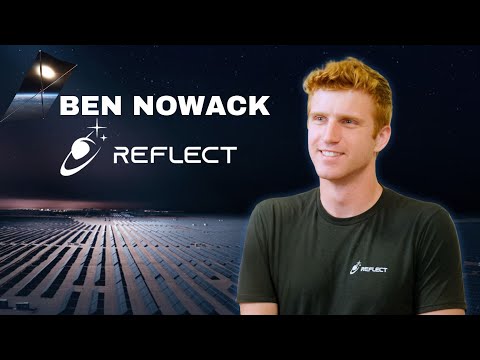
“My name is Ben. I like to build stuff. Was using a table saw when I was 5 years old. My dad was a carpenter so he always just let me use the tools and figure it out.” — Ben Nowack, 0:07
Clip command
yt-dlp --download-sections "*0:07-0:50" "https://www.youtube.com/watch?v=5-oDkWpnkjE" --force-keyframes-at-cuts --merge-output-format mp4 -o "table-saw-5yo.mp4"”260,000 Applications for Sunlight from 157 Countries”
“We got 260,000 applications for sunlight from 157 countries. It was insane. People just want sunlight.” — Ben Nowack, 53:27
Clip command
yt-dlp --download-sections "*53:27-54:30" "https://www.youtube.com/watch?v=5-oDkWpnkjE" --force-keyframes-at-cuts --merge-output-format mp4 -o "260k-sunlight-applications.mp4"”I Got the Job at SpaceX Through YouTube”
“I had applied twice and gotten rejected twice before. But when somebody was watching the YouTube channel and they reached out, that worked pretty well. That was the first time I was like ‘Wow, you can kind of do anything you want if you’re willing to put yourself out there.’” — Ben Nowack, 12:00
Clip command
yt-dlp --download-sections "*11:54-12:45" "https://www.youtube.com/watch?v=5-oDkWpnkjE" --force-keyframes-at-cuts --merge-output-format mp4 -o "youtube-spacex-job.mp4"”A Mirror Costs $2 Per Square Meter”
“A bathroom mirror is like really cheap. It’s like $2 per square meter. And mirrors are insanely efficient at redirecting sunlight. So the economics are just crazy.” — Ben Nowack, 30:00
Clip command
yt-dlp --download-sections "*29:49-31:00" "https://www.youtube.com/watch?v=5-oDkWpnkjE" --force-keyframes-at-cuts --merge-output-format mp4 -o "mirror-economics.mp4"”Building Bombs Is a Fun Thing to Do”
“Building bombs is a fun thing to do here and there when you’re a kid. They’re like, ‘You’re going to go to jail for the rest of your life.’ It’s like, okay, maybe I’ll do something for the good of humanity.” — Ben Nowack, 5:03
Clip command
yt-dlp --download-sections "*5:03-5:30" "https://www.youtube.com/watch?v=5-oDkWpnkjE" --force-keyframes-at-cuts --merge-output-format mp4 -o "building-bombs.mp4"Key Points
- Moving sunlight with mirrors (0:31) - Reflect Orbital puts mirrors in space to redirect sunlight to Earth, extending solar energy production after dark
- Maker childhood (3:20) - Ben was using a table saw at 5, building RC planes, fusion reactors, and liquid nitrogen machines as a teen
- Building a fusion reactor (2:33) - Built a Farnsworth fusor and fused deuterium into helium in high school
- YouTube to SpaceX (10:44) - Applied to SpaceX twice and got rejected; got the job when a SpaceX employee saw his YouTube channel on lunch break
- Dragon 2 work (13:01) - Worked on Dragon 2 prop tanks and rocket engines at SpaceX
- Idea iteration process (19:58) - Stack-ranked company ideas by maximum utility; kept a long list in Notes app
- Russian Znamya precedent (28:57) - Russia’s Znamya experiments in the 1990s used orbital mirrors to warm Siberian mines
- Cost of orbit dropped 10x (29:22) - Launch costs dropped 10x since 2010, making space mirrors economically viable
- Total build costs only $20-30K (36:36) - All of Ben’s maker projects over the years cost only $20-30K total
- Living out of a van (38:38) - Early Reflect days meant living in a van, running Excel models, and spinning CAD
- Hot air balloon test (43:07) - Validated the mirror concept with a hot air balloon test
- 260,000 sunlight applications (53:27) - Received 260,000 applications for sunlight from 157 countries
- Idiot index (1:06:07) - The ratio of what you pay for a space part vs. raw material cost; Reflect tries to keep it low
- Depression during college (40:12) - Six years of feeling unfulfilled between giving up YouTube and starting Reflect
- Overcoming Lyme Disease (1:17:42) - Ben dealt with Lyme disease while building the company
Mentions
Companies
- Reflect Orbital (0:22) - Putting mirrors in space to sell sunlight after dark
- SpaceX (1:45) - Where Ben worked on Dragon 2 propulsion; rejected him twice before YouTube helped
- Zipline (20:35) - Drone delivery company Ti considered working at
Products & Technologies
- Farnsworth Fusor (2:33) - Tabletop fusion device Ben built in high school
- Znamya (28:57) - Russian orbital mirror experiments from the 1990s
- Dragon 2 (13:01) - SpaceX spacecraft Ben worked on
People
- Ben Nowack (0:22) - CEO and co-founder of Reflect Orbital, former SpaceX, YouTube maker
Surprising Quotes
“I went to the dump and just found stuff. There was this really good dump. I’m from Cape Cod so we had this dump in Eastham where you could just go and pick up whatever.” — Ben Nowack, 8:36
“All my Ben Builds projects over the years cost only $20 to $30 grand total. College is in the hundreds.” — Ben Nowack, 36:36
“You’re gonna die someday. And if you spend your entire life chasing things that go nowhere, that’s not great.” — Ben Nowack, 24:33
“I hated ads so I never ran ads on my YouTube channel.” — Ben Nowack, 37:39
Transcript
Ti Morse: 0:00 When did you build the first bomb?
Ben Nowack: 0:02 It was like middle school. Like after school, just kind of hanging out with friends like, oh let’s take some like rocket engines apart. So, my name is Ben. I like to build stuff. Was using like a table saw when I was 5 years old. My dad was a carpenter so he always just like let me use the tools and I would build cooler and cooler stuff. The harder the thing is, the more rewarding it is. Building bombs is a fun thing to do when you’re a kid, but eventually you just like I want to build some useful stuff.
Ti Morse: 0:22 Ben Nowack is the CEO and founder of Reflect Orbital, which I like to call the Dyson sphere company. Yeah, Ben, can you just talk about basically how you initially came up with this idea? I know that you had like a few other ideas for like energy companies and stuff.
Ben Nowack: 0:31 Yeah. We’ve been thinking about energy my whole life, basically. I mean, the climate crisis is one of the bigger problems we face as a species. So, I was always trying to figure out a way to maybe solve that. Figured it could be worth it and I never really thought I would do it, I thought it was kind of impossible. But, yeah, one day just something kind of clicked. I was looking at the amount of sunlight that you get in different parts of the world and how much more sunlight you get in Africa than you get in Europe, and it’s like, it’s basically triple the amount of sunlight. Um, so if you build a solar farm there, it makes 100 million dollars. Um, that same solar farm would only make like 30 million dollars a year in Germany. So I was like, holy crap, like this difference in sunlight could be worth like 70 million dollars. Um, I wonder if you could start a company moving sunlight from one place to another. And you also see the maps of like, you know, a tiny little square on Africa could power the whole earth. So I was like, ‘Oh, if I could just move that much sunlight, I could power the whole earth and make just tons of money.’ Um, so I was like, ‘this could be a great company, they could theoretically solve the climate crisis because it has the energy potential, right? Like, the amount of energy that hits the surface of the earth is a thousand times more than what we use.’ And then there’s even more outside of what hits the earth that just like goes off into the solar system.
Ti Morse: 1:13 And you said that basically like, uh, every, I think it’s like, every second the sun produces like 5,000 times more energy or something.
Ben Nowack: 1:18 Yeah. Yeah, like if you integrate the human energy consumption over time, um, yeah, it’s—I mean, we use a ton of energy, we burn a ton of fossil fuels and we’re causing all these problems, but on the scale of the solar system it’s basically nothing. Um, it’s just a tiny little blip. Um, and we feel like it’s a big deal here and like, getting that much energy in other ways on earth is kind of hard, right? Like we can only use five X more energy if we’re getting it all from wind, like wind can only supply like five X more than we currently use. Um, like all the rain, like all the hydroelectric stuff, like if we dammed up every river we couldn’t even power all of humanity right now. Like, the capacity’s extreme, we use a ton. Um, but on the scale of the sun, it’s, it’s very small.
Ti Morse: 1:38 Was this, was this one of those things where I know that you like considered hydroelectric, nuclear, and like wind and solar, and then you kind of like landed on this? Was this one of those things where you’re like working at SpaceX and you see the like launch costs to orbit going down or very quickly, I think, right? You kind of are able to predict that out into the future?
Ben Nowack: 1:45 That one came kind of secondarily. Um, yeah, I mean I got the job at SpaceX because I figured I wouldn’t solve the climate crisis. I don’t know, I kind of built a fusion reactor in high school. I was trying to make anti-matter after that. I was like, ‘Oh, fusion’s, you know, pretty complicated, maybe harder than people are letting on’.
Ti Morse: 2:30 And by fusion reactor what do you mean?
Ben Nowack: 2:33 Just like a little Farnsworth fusor. Um, I fused deuterium into helium and, you know, got some neutron counts. Um, that’s about it. I mean it was not generating power, you know, was just kind of, you know, doing… doing some fusion, a small amount, um, in a measurable way. But
Ti Morse: 3:04 And you, you also talked about basically like, uh, when you were a kid, I think, you know, you really wanted to like build stuff and you just had a bunch of projects. You have an entire YouTube channel that’s just full of different projects that you built. Um, but basically like the harder something was to build, the more you wanted to build it. Uh, where did that kind of like come from?
Ben Nowack: 3:20 I don’t really know. I, I was using like a table saw when I was five years old. My dad was a carpenter, so he always just like let me use the tools and I would build cooler and cooler stuff. And I remember one time I was like, ‘Oh, I really want to build an X-ray machine.’ Like, you know, it would cost like 60 bucks or whatever to buy this X-ray tube, but I could make a high voltage power supply myself. And it just kind of like, I think it kind of blew his mind a little bit and he like told some of my teachers at school and then they were like, ‘Oh, if you write an essay about building this X-ray machine, we’ll give you school credit for it. We’ll give you like, you know, you know, two credits or whatever, like as much as like a quarter of a class.’
Ti Morse: 3:47 So it gave a little incentive?
Ben Nowack: 3:48 Yeah, in high school. And I was like, ‘Oh, of course I’ll do that.’ Um, and then my dad was like very happy to fund it. So I was like, ‘Wow, like the cooler the thing you build, like the more interested people are in in helping support that.’ Um, so then I was like, ‘Oh, well, this is, this is obvious. I just have to build the coolest stuff and people will really want to support it, um, and it’ll go a long way.’ And I don’t know, like over the years that kind of compounded, um, into this just desire to to build the newest coolest stuff, um, that was kind of like, I don’t know, there’s like this, uh, like you kind of want to challenge yourself. Like it got really fun and I just ended up enjoying it a lot. And after you do like two or three, you kind of realize that like the harder the thing is, the more rewarding it is, not just for you, but like,
Ti Morse: 4:19 People care.
Ben Nowack: 4:21 Like yeah, people care about it. Um, and it’s cool when you build something useful. Like I’ve built a lot of things that were kind of useless, like, you know, ‘Oh, I want to make a gas-powered flash.’ I never built that, but it was like everybody I told that, they were like, ‘Oh, that’s the worst idea I’ve ever heard. Like, don’t do that.’
Ti Morse: 4:33 Why’d you want to build that?
Ben Nowack: 4:35 Well, I thought it’d be kind of sick for a video. Um, but but it was like obviously not useful for society. It’s kind of like, you know, a bad idea squared. Um, so it’s like, okay, maybe I won’t build something like that. So then you kind of get this heuristic to like build more and more useful stuff. The other one is like making explosives. Like that was pretty fun in high school. You know, you show your your high school friends and they’re all really excited that you built, that you made RDX. Um, but then you show your parents or like your grandparents,
Ti Morse: 4:54 And they’re like, ‘What’s going on?’
Ben Nowack: 4:55 Yeah, they’re like, ‘You’re going to go to jail for the rest of your life.’ It’s like, okay, maybe maybe I’ll do something for the good of humanity.
Ti Morse: 4:59 What was, what was the first, uh, like when did you build the first bomb? How old?
Ben Nowack: 5:03 Um, it was, it was like high school or middle school. Like like after school, just kind of hanging out with friends, like, ‘Oh, let’s take some like rocket engines apart and like, you know, crush up the powder and stuff.’
Ti Morse: 5:12 Where’d you get the rocket engine?
Ben Nowack: 5:13 Oh, you know, like model rockets. I used to fly model rockets a lot. Um, I don’t know, yeah, building bombs is is a fun thing to do here and there when you’re a kid, but eventually you’re just like, ‘Oh, this is this is a terrible path to go down. I want I want to build some useful stuff.’ Um, so I don’t know, these things kind of blended together into like, ‘Okay, I want to make things that are like maximally useful that are like generally accepted and generally for the good of people.’ Um, but I was, I just kind of had the attitude to just like keep doing things constantly, um, and that kind of that could have pointed in any direction really. Um, yeah, especially in like middle school, high school, I think like a lot of people go through existential crises then and yeah, I kind of had the one where I was like, ‘Wow, I definitely have like ADHD, I need to be constantly moving. I need to be constantly like feeling like I’m going forward.’ Like ran around a lot, like, you know, did flips and stuff. …everybody else. But then when you build things, specifically things that are really cool and you show it to people, like, you know, RC planes and then like people like, ‘Oh, you should like, you know, go fly RC planes and do zero gravity flights for NASA and like test like, you know, zero gravity.’ And it’s like I didn’t end up doing that but like people just suggesting that to me was exciting enough to like want to continue down the road. Um so it’s kind of like, oh wow, you’re actually doing something good for the world feeling that other people like tap into and get way more excited. Um so that like positive feedback I think was the seed of all this.
Ti Morse: 6:27 Of all of this, yeah. And that was years before the YouTube channel or anything like that?
Ben Nowack: 6:30 Yeah.
Ti Morse: 6:31 Do you think there was like any projects in or things, you know, builds, like your, you know, name is like Ben Builds, right? Um but were there any builds in particular that I guess were I don’t know, like inflection points along the journey? Like specific things that were really difficult, like pushed your boundaries and then…
Ben Nowack: 6:51 Yeah, for a while it was RC planes.
Ti Morse: 6:52 Interesting.
Ben Nowack: 6:53 Even before the Ben Builds days I had this channel called RC Motors ZCT where I just built RC planes and flew them. I think since like 2009 to like 2014. I was pretty young. Um I just like flew them after high school. Got really good at building foamies and flying around. Um and yeah, that was that was kind of the thing. It was like this whole category of RC planes. And then with the Ben Builds thing, the X-ray machine started that. So I was already doing the RC planes before the X-ray machine. And then the X-ray machine was kind of the seed of like oh I want to build like newer crazier things that are using weird physics or like things that people don’t typically build. Cause a lot of people have built RC planes. Um and then I kind of developed this this real desire to build new stuff that nobody else had built or I was like you know maybe one of ten people to build. Like a fusion reactor like you know like
Ti Morse: 7:27 Right, like no one has built that.
Ben Nowack: 7:28 Well like 50 kids right? It’s like a few.
Ti Morse: 7:30 Right.
Ben Nowack: 7:31 That was actually probably one of the more common ones that other people have built.
Ti Morse: 7:34 Common. Yeah.
Ben Nowack: 7:36 Like I don’t know, I made like liquid nitrogen and a liquid nitrogen thing. I made like a sputter gun. Like you know a lot of people have done that for like telescopes and stuff but that one was pretty cool too. Um so I kind of wanted to be like like different in a way where I was developing like new enough skills that could potentially be useful. And kind of like the goal became like I want to build out this base of random skills that can be applied to doing new stuff in in the future. Um so it’s kind of like if you want to get really good at running you got to go run every day. Like I wanted to get really good at building stuff so I could build a new thing so I just started building stuff every day. Um and yeah it all kind of just like snowballed and and added on itself. Um but yeah the big inflection point of being maximally different was was really fun. Um and I think that kind of started with the X-ray machine and that kicked off kind of the whole Ben Builds thing. Um where it was like oh I want to build these like maximally different things. And it was usually things that were just in industry like wasn’t like I did anything new for the first time it was just like oh here’s this thing that’s kind of hard to do that industry usually does that costs a lot of money like I want to try to do that
Ti Morse: 8:30 …at a low cost or you know do it yourself or something like that.
Ben Nowack: 8:33 Yeah.
Ti Morse: 8:34 How’d you how’d you like get your hands on all the materials to build the different stuff?
Ben Nowack: 8:36 I went to the dump and just like found stuff. There was like this really good dump. I’m from Cape Cod so we had this dump in Eastham where you could just like go pick out like lawnmower engines or computers or things like that. So a lot of it just came for free. Um there was one summer where I just like crushed up grills every single day and melted down the aluminum so I could like try to make a steam engine. Um there were a lot of just fun projects like that. Um and then yeah my parents supported me a little bit. Um my dad was a carpenter… Like, he just like if I had a good idea and it made sense and he was like, oh yeah, this is going to like help your career. Like this is as good as a college class or something like that. Then he would usually want to help out.
Ti Morse: 9:09 Yeah.
Ben Nowack: 9:10 Yeah. So that was really helpful. And then it ended up being like teachers wanted to support me. So they would like donate things, like one of my teachers like donated a lathe to like the shop. So that was really great. And honestly it was super rewarding. Like, yeah, it was really fun.
Ti Morse: 9:22 Did anything go horribly wrong on any of the projects, like explosions and you know, a furnace blowing up or something like that?
Ben Nowack: 9:27 Yeah, pretty bad. When I… even in like, I think elementary school I was making like potato guns and like potato guns occasionally explode when you make them. It’s just like PVC pipe and you spray hairspray in the back and ignite it with a grill igniter. And yeah, the thing exploded and like shot backwards and broke my sliding glass door window. My parents were super mad about that. It was the worst I’ve ever felt probably.
Ti Morse: 9:49 Did you get the credit in school for that?
Ben Nowack: 9:51 Uh, no. No. That was preschool credit. Not on that one. That was just young boys being dumb.
Ti Morse: 9:57 Interesting. Interesting. Okay. When did you decide to like start or at what age did you want to start recording the things that you were kind of building and showing the process?
Ben Nowack: 10:05 I think it was with RC planes. I wanted to put a camera on an RC plane and fly it around and like look at trees from above and look at people’s houses because you can’t see that normally. So I was really interested in that. So I remember like I got this little flip camera and I like taped it to one of my RC planes and like I don’t know, I’d crash it all the time. But that was kind of like the first time I started filming things. And then I was like, oh, I should like film it from the front so I can like video myself like flying the plane. That would be a more interesting video. And then I don’t know, one thing kind of led to another. And then by the time I got to the Ben and Build stage, I’d already been doing that for a number of years. So I was like, oh, I want to start this fresh channel and like, you know, just have it all be just focused on building crazy stuff. Yeah, that was kind of the idea there.
Ti Morse: 10:44 Yeah. I know that you didn’t like immediately jump to like, technically you’re building all this stuff, but you’re not trying to like commercialize it and build a company. You know, what was the process from you kind of like going through high school and getting the first like, I think like SpaceX and like zip line and stuff like that? Why’d you like decide to go work for other people instead of just building your own thing?
Ben Nowack: 10:58 Yeah, I kind of saw the path, the YouTube path not really leading anywhere. Like I saw it leading into lots of cool videos and like getting money to spend on dumb stuff. But nothing like impacting humanity kind of stuff. Yeah. I mean it’s all for entertainment. So you can kind of justify anything. Like MythBusters or like… I mean MythBusters they build really cool stuff. But then you get like, who’s that guy? Like whistling diesel. Like he just like wastes money and people watch it and it’s so entertaining. Or like MrBeast. Like just wasting money is entertaining enough that people will watch it. And I kind of saw that as like probably the biggest hack with YouTube to do like the coolest weirdest stuff. And I was like, oh, like that’s cool, but it’s not the same as like what you know SpaceX is doing or…
Ti Morse: 11:37 You want to do useful things.
Ben Nowack: 11:39 Yeah. I wanted to do useful stuff. And I was like, okay, if I want a job, you know at a company that’s doing useful stuff, I’m going to have to get a mechanical engineering degree and do the whole thing. So that’s why I went down that path. And I was lucky enough to get into SpaceX my freshman year of college.
Ti Morse: 11:54 Like at SpaceX?
Ben Nowack: 11:55 Yeah, on their lunch break. They sent it to their manager and they gave me a couple phone calls. Like, I had applied like twice and gotten rejected twice before.
Ti Morse: 12:01 How’d they get in touch with you? You got rejected at SpaceX?
Ben Nowack: 12:05 Yeah, well I was like a high schooler. I was like ‘Yeah man, I’m applying to college but like, I’ll drop out and join SpaceX’. It was like super crazy. Like nobody read that.
Ti Morse: 12:13 No one read it.
Ben Nowack: 12:14 Yeah, but when somebody was watching the YouTube channel and they reached out, that worked pretty well. Yeah. So that was the first kind of like ‘Oh wow, this YouTube thing is actually like different like on the very good side of the bell curve’. Like this is kind of an unfair advantage being able to create content and get distribution.
Ti Morse: 12:28 Having distribution too.
Ben Nowack: 12:29 Yeah, so that was the first time I was like ‘Wow, you can kind of do anything you want if you’re willing to take a weird enough path and feel confident enough in it’. Because before I started the Ben and Built channel I was kind of like ‘Yeah, maybe one day like somebody will be watching it and then I’ll get like a really cool job’. And it ended up happening a couple years later, which was kind of like the dream. I didn’t do that on purpose, I kind of just did it for fun, but it was like one of those things in the back of your mind where it’s like ‘Oh, this could be a really good portfolio for later, like, you know, maybe I’ll try a little extra hard here’. And it ended up working out just fine. So that was kind of a mind blower. And yeah, like I was getting my mechanical engineering degree, obviously that’s critical for working at SpaceX. I loved working there so much as an intern. They gave me so much ownership and it was just like the coolest projects ever with the coolest people.
Ti Morse: 13:00 What did you actually do there?
Ben Nowack: 13:01 I worked on the Dragon 2 prop tanks and rocket engines team. So I built like these giant automated test fixtures, mostly tooling. They don’t let interns on flight parts too much anymore. But yeah, I did a ton of tooling projects, like you know, making sure tanks that had weird problems wouldn’t explode later.
Ti Morse: 13:21 When they’re later.
Ben Nowack: 13:21 Yeah, stuff like that. Making sure that they’re performing, all of that. Like there’s a lot of weird things that these components do that you have to make sure you’re doing correctly. So I got to solve some pretty fun problems and yeah, work on some really cool projects with a lot of ownership too. I think that was the coolest thing. I built some components that were like, you know, $120,000 and I was like ‘Oh wow, it takes so long to work to make $120,000’ and they’re just letting me do this on this really cool thing, you know, that’s actually going to test parts go to space. So it’s just like the best thing ever. And honestly I probably would have dropped out of college if I didn’t have that experience. I didn’t know if engineering was the thing for me. I was like ‘Ah, like maybe I’ll just become a welder or maybe I’ll just do YouTube for a while’.
Ti Morse: 14:05 Wait, so at what age are you thinking in that direction?
Ben Nowack: 14:09 Yeah, I mean the year before I went to college.
Ti Morse: 14:11 Wild.
Ben Nowack: 14:11 Yeah, I wasn’t sure about it because I didn’t know what the work would be like. But after SpaceX it was like ‘Oh, this is clearly the thing’. Yeah, and I really wanted to double down on it. So that gave me the desire to like just, you know, finish school.
Ti Morse: 14:22 Were there any other thoughts on the company side for you’re in that situation, you’re in that environment at SpaceX and you’re kind of like thinking through different ideas on potential? Like I know energy ended up being kind of like the big thing, but or I think it’s the big thing, but were there any other paths that you might have gone down that you just decided not to and why?
Ben Nowack: 14:44 Yeah, I mean before I got the job at SpaceX I was trying to make antimatter. And I was like ‘Oh, before I make antimatter I need superconductor wires’, and before I make superconductor wires I need to make liquid hydrogen or liquid helium. So I was like making this helium liquefier and like I had borrowed money from my uncles and stuff and like friends and family. I’d raised like 8 grand from like friends and family to build like helium liquefier and it was honestly completely nuts. And I was like making the video for YouTube and I was just like God, like there’s just no world where this turns into anything. Like I’m just kind of doing stuff. Um like the mission is really important, right? Like the mission of SpaceX is is really clear and really important and this was kind of just like lots of effort with with no direction.
Ti Morse: 15:24 What was the idea behind like, okay, so you make antimatter, what’s happening after that?
Ben Nowack: 15:29 All storage is pretty bad. Um like batteries are batteries are good, like they’re getting very cheap, but it’s still, you know, so much mass to like store small amount of energy. So I was like, oh, antimatter’s clearly the best way to store lots of energy. Clearly it’s the way to like get around the solar system. Um it’s like also, you know, I forget exactly it’s like, you know, a couple billion dollars or whatever or maybe it’s even trillions of dollars per gram. I don’t know. It’s some crazy amount. Like we can’t really make it. We’ve only made like a couple, you know, atoms of antimatter. And it it just seemed like a really cool project too because it’s like, oh, I can make like a linear accelerator and like, you know, I could try to contain it in this superconductor thing. Um but yeah, I mean I hadn’t even gone to school for mechanical engineering yet. So I was just like this kid on Cape Cod that was like building trying to make a helium liquefier for no reason. And it’s something that you can buy anyway. It’s like I mean in the MRI industry you can just like liquid helium is pretty easy to get, you know, you just use it to cool the magnets. Um so it like wasn’t even that big of a deal. And I was just like okay this is like this is just a disaster. Like I want to do something that has a mission. So I decided to just work at the like the company that had really figured out the team side, that had the coolest people working at it, that was working on the clearest mission. Um and that was obviously SpaceX. Um and yeah, that’s mostly why I went there because I was like I kind of gave up on the energy thing with that antimatter project. I was like this is just like this is in nutland and everything else is terrible. Um so I just like yeah got a job working working at SpaceX. And obviously there like the rockets work very well. They’re, you know, they self-land, they’re absolutely crushing it. Um but I was I kind of realized like obviously they’re doing like Starlink and Starlink is a great business, but I remember like Gwen getting up on stage and talking about like oh you know the rocket business is only a two billion dollar a year market, so the Starlink thing is like in the trillions of dollars per year market. And I was kind of like wow, you guys have spent like, you know, 18 years on this rocket stuff and maybe it’s not what you thought. Um so now we’re doing Starlink and obviously the Starlink thing got me but I was like man rockets really just need a a greater purpose.
Ti Morse: 17:20 You were there in like 2015, 2016, right?
Ben Nowack: 17:22 2016 and 2017. Yeah. And I mean the whole Mars thing was really cool, but it’s not the same as like even the fossil fuel industry, like compared that right? Like it’s very easy to spend 20 billion dollars or you know a couple hundred billion dollars a year on the fossil fuel industry because it’s it’s serving all of humanity, you know, it’s like turning on all of these lights. And going to Mars doesn’t have that same thing where it’s not directly helping everybody. And everybody you tell, you know, everybody you tell that you’re like oh I’m working at SpaceX, everybody you tell that to they’re like oh that’s that’s cool, you’re making these rockets, but like what are they doing here on Earth? And it always bothered me a little bit. It kind of felt like, you know, telling people I was making a gas-powered flashlight a little bit. It was like oh here’s this cool engineering thing, like I’m really excited about it, but it’s not actually like having this impact. but it’s just kind of like a vision and there’s nothing really concrete that’s going to impact the people on Earth and the people that you know.
Ti Morse: 18:06 Yeah.
Ben Nowack: 18:06 Yeah.
Ti Morse: 18:07 Yeah, that’s kind of what I went there for, right? It was like this, this greater impact and this greater mission. So yeah, I was excited to work there, like I loved the projects and I would have continued, I mean it’s like one of the best jobs you can have, like very clearly, but I made a pretty bold decision to like just go to crazy startup land. So like some SpaceX friends, they’re starting companies or like we’re pretty early engineers at companies were like asking me to join the companies and I said yes. It was also kind of like I wanted to work on newer hard things. And SpaceX had like, obviously there’s so many smart people there and like I was nowhere near the smartest there, so I didn’t feel like I would have a massive impact on exactly what the vehicles would do or exactly what impacts they would have. Like I figured, I didn’t really think I would change the curve at all. Like it was already going to do the thing with or without me.
Ben Nowack: 18:52 Yeah.
Ti Morse: 18:53 Yeah, like there’s this line and I could only change it by a tiny little amount at best.
Ben Nowack: 18:59 Yeah.
Ti Morse: 19:00 And so I decided like just starting something brand new would be kind of like dividing by zero so like you’re kind of creating something out of nothing. And I didn’t have the idea to do something new yet, and I was also very respectful of what doing something new requires. Like when you start a new company, you’re kind of it’s with you for like seven years. Like you kind of have to make it work. And like even after working at a couple of these startups, I realized like, yeah if you start a company and it’s kind of a bad idea and it kind of like, you know, the market goes to zero, you’re really stuck just with a dud and you’ve just like burned seven years on nothing. And honestly, sometimes your hireability goes down when you start your own company. And yeah, after working at two startups that like didn’t do very well where I was like employee three or four, I realized like, wow, it’s so important to just have a very clear idea and something really big to start with. So I became obsessed with big ideas and like, you know, what could be the biggest thing and like if you can compare any two things, like, you know, is this thing better than this thing? You can kind of do that for any number of things and you can basically like sort an entire set by just
Ben Nowack: 19:56 You just stack rank ‘em.
Ti Morse: 19:59 Yeah, doing any number of comparisons on any particular scale and like all the scales are different, but I just started doing that with companies and ideas. And I probably like thought about a hundred different companies or ideas in that time.
Ben Nowack: 20:05 What were some of the ones where you like genuinely consider them and were like I could take this, you know, go down this path?
Ti Morse: 20:11 Yeah, I mean antimatter was one of them, right?
Ben Nowack: 20:14 Oh yeah.
Ti Morse: 20:16 That was one of the crazy things. There was another couple, there was like drone stuff, like doing drone deliveries. Actually, yeah, one of them started as like, ‘Yo, I want to, you know, start with like planes that look for sharks when you’re surfing in the ocean,’ and then we’ll turn that into like doing drone deliveries and basically replace UPS. And then it was like a couple months later I learned about Zipline and I was like, ‘Oh, they’re already doing basically that idea. Like let me just go join them.’
Ben Nowack: 20:34 And seeding?
Ti Morse: 20:35 Yeah, and I had already written like this 300-page document to try to go beyond visual line of sight. I don’t know. But then I learned about Zipline and I was like, ‘Oh, this is like the perfect thing,’ so ended up joining there. So that was, that was one that was pretty interesting.
Ben Nowack: 20:45 How’d you get in touch with the person at Zipline?
Ti Morse: 20:48 I just applied.
Ben Nowack: 20:50 You just applied?
Ti Morse: 20:50 Yeah.
Ben Nowack: 20:52 They just had to call you and liked you.
Ti Morse: 20:53 Yeah, I was also like kind of leaving that, you know, one of the other startups I was at. So it was pretty good timing. But yeah, that was one idea. You know, some of the ones…
Ben Nowack: 21:00 Other ones are smaller like, you know, doing better sensing of soil compactness and soil moisture content so you can grow more crops, I don’t know. Like a lot of things are just like pretty small and pretty terrible. And then there’s a lot of like I don’t know just crazy like stupid squared ideas. Yeah. I mean like, you know, space planes and all sorts of energy storage things like flywheel energy storage and battery energy storage and like basically moving a mountain up and down energy storage like…
Ti Morse: 21:30 Are you basically trying to kind of do something that’s like maximally useful but maximally also likely to actually have some real impact and not just like some kind of pipe dream possibility you can spend 7 to 10 years on and it just like does not work?
Ben Nowack: 21:44 Yeah, utility is really important. Yeah, I mean 7 to 10 years is really not very much on the scale of good ideas. Like when we figured out that burning fossil fuels was a great idea, we did it - we’ve done it for hundreds of years and like people continue the idea long after the first guys like, you know, lit some coal on fire, right? Because it just makes sense. It’s like wow, you can light coal on fire, that’s that’s freaking awesome. Or like the first people who invented fire, like we still light campfires in basically the same way. But there was a guy who kind of did that for the first time. Or one thing I was always obsessed with is like people who build boats. Like imagine there’s like an island over there and it just like driving you crazy like how do I get to that island? Like I know my dad like died trying to swim over to that island but like what if I like like got this log and like paddled it over there or something? And then it’s like oh, you know, like a couple generations later, like what if the log was deeper? And like I became obsessed with like how do people like actually invent these ideas for new things like like boats or fire or combustion. And that’s kind of like the definition of utility. It’s like this it’s new utility that that never existed before. So I got really interested in that, in just like new utility that’s never existed before. And most of the ideas you have just do not they just don’t even make it.
Ti Morse: 22:56 Yeah. You can’t hollow out this piece of wood.
Ben Nowack: 23:01 Yeah, it’s just like it doesn’t matter. Like it’s it’s nothing on the scale of like irrigation, like discovering that you can move water from one place to another. Like it’s not like that kind of idea. So yeah, like most most of the 100 ideas like you know they only make it like a couple hours or a couple days. You get really excited about it, you buy some stuff on Amazon, you start putting it together and you’re just like, what am I doing here? Like this is stupid. And I would just do that on the side of like having a real job. Which was great.
Ti Morse: 23:18 What was that process for you when you’re thinking about a new idea and you come up with something in your head or it just like pops into your head, what was that process from going from you know it’s in your head to eventually having an actual like prototype that you’re like showing on a YouTube video?
Ben Nowack: 23:32 I mean it depends on the project.
Ti Morse: 23:34 Or just throwing it out.
Ben Nowack: 23:36 Yeah. Like I don’t know. I remember I wanted to make a drone that could go to the top of Mount Everest. I was I did like all the propeller hand calcs and like all the battery sizing hand calcs and like figured out what size props I needed and then like started buying them. Uh yeah. I mean it happened a lot before. Like I did this Lake Tahoe camera and you know that started with like oh I want to take a picture at the bottom of Lake Tahoe. I feel like that would be pretty cool. Obviously this is not a company idea, but you know you just like do the hand calcs, make like a nice spreadsheet. and then do some ANSYS analysis, and then you start buying, you know, parts on McMaster and then you start machining them. That one I actually ended up seeing through to the end. But yeah, after a couple months of like having more and more frequent ideas, I started getting faster and faster at killing them to the point where I would start like killing the idea before I even started building it. And I felt like I was actually going nowhere. I felt like it was kind of a backwards step because it’s like, oh, I can’t even commit to getting things done anymore.
Ti Morse: 24:21 But it wasn’t actually that, it was just like you being able to decide this is not worth working on.
Ben Nowack: 24:26 Yeah, this isn’t meaningful enough. Yeah, well, because you gotta weight it against like… you’re gonna die someday. And like, if you spend your entire life like chasing things that go nowhere, you know, it’s just a waste of life. Or like, if you’re not moving fast enough, like everybody else is like competing and having new ideas, so you’re like, you’re just completely uncompetitive. So there’s this like, you know, you really want to take bigger risks and bigger bets, but you also don’t want to do that on things that aren’t good enough.
Ti Morse: 24:51 So it’s kind of both things at once. Do you have kind of like a list in your head or an order of operations for you have a new idea all the way down to you actually have designed and created something, or is it like concrete like that or is it just going, you know, by however you’re feeling or whatever?
Ben Nowack: 25:01 Um, I have a very long list in notes. So it was just kind of in there for a while. No, it’s mostly like how you feel. You really only have one idea at a time, like one idea that you’re really excited for at a time. And until you realize it’s dumb, you can’t really move on to have another one. I kind of realized that. It’s like everybody has like their one idea for their company and it’s kind of like, oh, this is the big one. And it’s like, usually not. And until you realize that, you can’t really move on.
Ti Morse: 25:21 I mean, I mean maybe like the like iteration process. Or going down, you know, some, some set of steps, right? From going from just an idea to a thing that’s actually created?
Ben Nowack: 25:26 Yeah, I think, I think you have the idea. Um, you do like your own analysis on it. You see if it exists. Like you do some research just to see if somebody else has done it before. And why they didn’t. Um, you kind of like get an idea of how big the market is and like what impact it could theoretically have in the best case scenario. That one kills a lot of ideas. And then after, you know, a couple days or a couple weeks of that, then you start like asking all of your friends and then you start asking like all the smartest people in your network and then you start like having those people introduce you to the smartest people they know. And you do that for a while. And then if every, if it checks out on that level, um, then you keep pursuing it.
Ti Morse: 25:59 Then you keep pursuing it?
Ben Nowack: 26:00 Then you, yeah, then you just kind of keep going. Um, so that’s the process I, I ran into. Most ideas don’t make it past the like, you know, couple days of your own analysis. Um, like if you do really aggressive analysis and you’re like, okay, let me try to kill this as quickly as possible. A lot of things don’t make it.
Ti Morse: 26:12 Yeah.
Ben Nowack: 26:13 And yeah, again, it’s all just like chasing that, that kind of maximum utility thing where like, if you can create something that’s like net new for the world, that is economically viable to the point where like 100 lawyers can sit in a room and decide that it’s a good idea to spend a billion dollars doing a thing, um, then it has a really good chance of existing after you die. And it was kind of this like, I want to create like an idea, you know, it was actually for a while, I had this like very clear vision in my head. It was like, I’m like getting the soil ready for like this seed, like, and then when the seed is planted, like, I’ll allow it to grow. And then, like, I want to make sure that like, you know, the tree exists long after I’m gone. I think that’s like the goal. once the seed grows it’ll be handed off to people and like people will like continue to care for this this tree after I die. was the kind of thought that was running through my mind and like if you know, if you want to do that it has to be like a really beautiful tree, you know, first of all. you have to get the dirt really ready to make sure that it’s going to grow. so like that was like getting really good at building and all of that. um, but then the seed was always this like missing piece. I feel like I was kind of lost for a while trying to find the the missing piece the seed. um, but still like it eventually it ended up happening. in the grand scheme of things it ended up happening a lot faster than I think I expected and um, I I imagined it probably would happen in my 40 in my 30s.
Ti Morse: 27:33 you just like knew that you you would have gone through enough iterations on enough different ideas that you would have found something that just like would (you know) satisfy your curiosity while also being useful and everything?
Ben Nowack: 27:43 I mean most most great people start their thing like in their 20s or 30s. um, usually after your 40s you kind of or it’s it’s done. not always, some people like have the best thing ever when they’re like
Ti Morse: 27:54 think like Walmart like retail for some reason like Sam Walton was in his 40s but he’d already gone through a few different (you know) running different grocery stores and stuff.
Ben Nowack: 28:02 Yeah, something like that work. or like um, the other one is like the KFC guy. he started when he was like 60. that was just insane to me. um, but usually if you’re doing like a new thing like a lot of Newton’s stuff was like (you know) when he was pretty young. um, so I figured like if I was getting into my 30s like that’s like (you know) red zone like it better happen quick otherwise you’re going to have a real problem. but I figured it would probably happen around then. um, but yeah, I don’t know, this is getting a little pretty meta now.
Ti Morse: 28:25 no this is this is perfect. this was kind of the process. yeah. um, when you were so I know that there was this like experiment in 1992 where like Russia shot like I believe the first mirror into space. um, and so this wasn’t like the first time (you know) you guys are the first people shooting a mirror into space. um, what why did they do that in the first place? and then like there wasn’t I think the solar energy or solar industry back then um so there was just no like obvious business model for (you know) orbiting mirrors. um, but like what was what was the process for you kind of coming onto this idea?
Ben Nowack: 28:57 yeah Znamya they did it to to warm up mines in Siberia. um, that was mostly who funded it was like these these mine owners. um, yeah there was about 200 megawatts of solar installed in the world back then which is like like a medium-sized solar farm today. um, we’ve spent like three trillion dollars building solar around the world since then. I mean even in the 2010s solar was like 359 bucks a megawatt hour now it’s like in the 30s.
Ti Morse: 29:22 I think it’s gone down by like 10x right in the past few years?
Ben Nowack: 29:24 Yeah. Just since yeah since 2010. like it’s it’s really insane like honestly it’s yeah it’s even faster than like um rockets right because the industry is so much larger it’s the whole earth
Ti Morse: 29:35 so the combination of basically like mass orbit going down massively plus solar (you know) just massive build out of solar equals good business that couldn’t have existed prior.
Ben Nowack: 29:49 yeah. but that’s not why I had the idea. I really had the idea because I was thinking about moving sunlight around and how that could be valuable. um and I was like eh if you could move sunlight from a place where it’s easy to get to a place where people really want it, that could be a company. and you know light is really easy to move around with a mirror. LIGO is this like um laser interferometry experiment to measure gravitational waves and they their mirrors in that thing lose about three photons per million. It’s just like insanely efficient. And even just normal mirrors, like a bathroom mirror is like 80% efficient. If you compare that with like, you know, solar panels are like 20% efficient, and then you have to like convert it into electricity and send that around and all that stuff. So I was like, oh, moving sunlight around just like with a mirror could actually be more efficient than that. And you can move it a long distance, like it moves pretty far. Sunlight moving in a vacuum makes it 13.8 billion light years to our eyes when we look up at the stars that are really far away, right? Like those are super far away, like you don’t, you don’t really lose light. So light traveling in a vacuum is one of the most efficient forms of transportation. It’s really easy to move with mirrors. So I was like, oh, there’s probably something here. That was the core idea. And then obviously the best place to get sunlight is in space where it’s constant, it’s never nighttime up there. And the best place to send it is the dark side of the earth where people like yearn for the light. Like nobody ever has sunlight on the dark side of the earth. And you could just send it down with one mirror. So I started looking into like how to build out the constellation, how expensive the satellites would be, exactly what the satellites should look like. Solar sail vehicles are a great architecture. It’s just like four booms that are really thin and then, you know, the tensioned mesh reflector. And I was just like, wow, this is actually pretty light, it’s pretty efficient. I mean, obviously you lose, you know, a ton coming through the atmosphere, the sunlight spreads out a lot from the small satellite. You know, you get like a five and a half kilometer diameter circle on the ground, so that loses a ton of the irradiance. But if you’re capturing that over a solar farm that’s on the order of five kilometers across, yeah, it’s actually quite a good conversion efficiency. And you don’t have to build that thing on the ground. So I had originally, initially done the calculations for energy because that seemed like the biggest business. And yeah, I mean, it was like, oh yeah, this can work. This can be obviously cheaper than batteries, cheaper than, you know, fossil fuels, and even one day it could be as cheap as solar during the day with cheaper launch costs. So I was like, wow, this is such a good thing to get into.
Ti Morse: 31:40 Seems like a really good idea.
Ben Nowack: 31:41 Yeah, and I was like, you know, I knew that the energy industry was gigantic, you know, it’s like what is it, 8% of the global economy or something like that. It’s like, you know, this constant amount of value that you could generate. Then obviously I cared a lot about climate change, I knew how big of a deal that was. And I was like, I mean, the energy industry is one of those things, like you get really excited about like a 1% increase in, right? Like I had a couple ideas that were like, oh, this could be like a 1% increase in…
Ti Morse: 32:01 Global energy.
Ben Nowack: 32:02 Yeah, and this but this was like, you know, you could materially double it. So I was just like, you could materially double three trillion dollars of assets, solar assets. So that was a big deal. The other one was like just building on the energy market with all the lighting markets, because it’s, we’re moving sunlight around and there’s so many other things you can use sunlight for. So one of the early concepts was just moving sunlight around in vacuum tubes from one place to another. And I was like, oh, you could like use that to like light up all of Europe and power all of Europe. Like you could basically have this like just like tube of, like full of sunlight like a pipe. Because this other thing in like startups is like, oh man, like we’re kind of just competing with pipes here. Like this is stupid. So it’s like, oh, we could make the pipe full of sunlight and bring it to everybody.
Ti Morse: 32:30 Did you have any other ideas like filling a pipe with light? Or iterations of, you know, moving sunlight around other than through wires and through like pipes I guess.
Ben Nowack: 32:51 Yeah, I mean for a while I thought an optic would be really important. So I thought about like making basically a beam expander or like an inverse telescope in space and then beaming the sunlight down in a more accurate way. If you could beam sunlight down and hit like a 500 meter diameter circle, it could be more valuable than a 5 kilometer diameter circle because there’s much more small solar farms than big solar farms, much more small towns than big towns, and you can like graph all this out. Um, it turns out it adds so much cost that it’s actually worth it to just, you know, do the one satellite and there’s enough big solar farms out there to receive that that giant area of light um, that it’s it’s just way more economical to do that. Um, but yeah, looked into that for a long time. Um, yeah, the vacuum tubes was the other one. And then like, yeah, vacuum tubes plus storage, I don’t know, there’s like a bunch of weird little things like that. Um, there was this like vacuum tubes derivative idea where you basically just make condensed solar farms a bit more effective, but that would never be competitive with PV solar because like, you know, by the time you build one of those things, PV solar’s like half the cost and it’s just like, you know, that that was a non-starter. Um, PV solar is really hard to beat. I think for a while I was actually trying to beat PV solar, realized that it was so impossible, and then one day I was on a run and I was like, wait, what if I just made PV solar better by like just sending sunlight down to it?
Ti Morse: 33:53 Yeah, I- I actually heard that. Um, and has has there been any other moments where you’re just like out on a run and like ideas kind of come to you? Or things just kind of coalesce? Because I know that like exercise is absolutely insane for, you know, generating ideas.
Ben Nowack: 34:05 Yeah, no, all the time. Um, yeah, I think most of my good ideas come from from runs. It’s also like if I get really stressed out, like I’ll get super fidgety and I can’t sleep, I’ll just like go on a run at 2:00 AM. Um, sometimes that’s pretty nice. Um, and yeah, I think going for a run, I don’t know, running was really special to me in college because college was pretty depressing. Felt like my life was kind of going nowhere and I didn’t really want to build stuff. Um, so I was just like, you know what, I’ll just get like really good at running and like climbing stuff. Um, and it’ll be like something to get better at while I’m kind of just like plateauing here at school, just like finishing things.
Ti Morse: 34:38 Why did you decide to go to college as- you know, knowing that like you weren’t happy doing it?
Ben Nowack: 34:44 Um, I thought it would be very important for like, you know, getting the solid career. Um, like working at places like SpaceX. I mean, you kind of like you’re- you’re like learning a language that you can use to communicate with other folks. Um, so it made sense that way. And like, yeah. Wanted to-
Ti Morse: 34:56 Did your parents think that it was like the right move?
Ben Nowack: 34:58 Yeah. Okay. Yeah, I mean, they were like pretty supportive of kind of whatever I decided to do, but yeah, after like, you know, meeting all the great folks at SpaceX, I decided like, yeah, I want to do the college thing. Like all these people so I can like hang out and not feel like an outsider. Um, I think that was important. And it’s also like you’re kind of risking, like we’re so, like in society right now, college is like becoming more okay to not go to. Um, and you can still get a good job, but it’s still like it’s a curve, right? Um, it’s getting better. I don’t know if we’re quite there yet. I wasn’t willing to take the risk. Um.
Ti Morse: 35:32 You thought that it was the right move.
Ben Nowack: 35:34 Yeah. I didn’t have a good enough option. Like I didn’t start Reflect in college. Um, I probably would have dropped out if I did. There was a while where I wanted to like drop out of college to just work at SpaceX, but like my mentor was like, it’s probably not a good idea because it’s going to be hard to get a job anywhere else. Um, and I took that advice to heart. Um, and I think it’s getting more okay. I think like right now, it makes more sense to like not go to college. I think in the future it’s going to make even more sense. I think college is ineffective and expensive and honestly terrible for society in a lot of ways. if you’re just excited about doing things, you should just be given like, honestly, you should just be given the amount of money that you’d spend on college to do your own stuff. If with the right person, it’s so much more effective to do that. I think I got a way better education for like 10 grand in high school like with the Ben and Build stuff than I did in all of college. Um, but still, you learn things that you wouldn’t learn on your own in in college and I think some of that’s nice. Um, but yeah, back when I went it was I don’t know felt like a different world then than it does now. I think now it’s a little bit a little bit cooler not go to college.
Ti Morse: 36:26 How much how much do you think like the total cost for all the different builds that you did over the years like the total amount of money actually invested in doing all these different things well was? did you track it?
Ben Nowack: 36:36 Yeah, Ben and Builds was like like 20 to 30 grand.
Ti Morse: 36:41 Really? Like only?
Ben Nowack: 36:43 Yeah, it wasn’t terrible. Um, yeah, I mean college, you know, is in the hundreds, right?
Ti Morse: 36:46 Yeah, like easily, you know, 300 grand.
Ben Nowack: 36:49 Yeah. I a lot of stuff I got for free, a lot of stuff I got on eBay.
Ti Morse: 36:52 Have people kind of been, I don’t know if kind is the right word, but like wanting to help you just because you build stuff?
Ben Nowack: 36:58 Yeah, for the most part. Like I would do like some contracting work in high school. Like I worked for like Peter Brown a little bit. We did this project where he put a camera on, you know, out in Hawaii on the reefs to like protect from poachers. Um, and he gave me like, you know, pretty generous contract gig for that. Um, I also had this like this you know this like excited kid fly out and like work with me for nine days and like, you know, got got paid a decent amount for that. Um, which was great because then I could like buy more stuff and build more cool things. Um, so there were like a cool little like pretty unique things that that came from from building stuff that people were like, you know, happy to support. Um, I never like actually made money on my YouTube channel though. I made like 7 cents total.
Ti Morse: 37:38 Really?
Ben Nowack: 37:39 Yeah, I hated ads so I never ran ads.
Ti Morse: 37:40 Same with me. Yeah, I don’t run ads. Never going to run ads.
Ben Nowack: 37:44 Yeah, I don’t know, ads are ads are annoying.
Ti Morse: 37:46 Did was there like a toggle where you could turn off ads on your your YouTube channel?
Ben Nowack: 37:50 Um, I think I just never toggled it on. Yeah.
Ti Morse: 37:52 Okay.
Ben Nowack: 37:53 But yeah you could like run AdSense or whatever. Um, it was like before pre-roll ads were were common so I i don’t know i wasn’t interested in that anyway. I didn’t have the biggest channel either.
Ti Morse: 37:58 Well, I mean you got like 20,000 subscribers, which is like not small, especially if like a few of your videos get like hundreds of thousands of views.
Ben Nowack: 38:05 Yeah, it wasn’t huge though. Um, I don’t know, I just I hated ads. It was it was more of like a a thing. Like I feel like ads are kind of like stealing your attention in a big way and it’s like oh man you should not be ads it should be like cool facts or something like i wish billboards just had cool facts on them i don’t know this is but so super beside the point obviously company need company need a way to get their story out but but still.
Ti Morse: 38:25 Yeah. Um, so, during the first like I don’t know, after that run, what was the process from kind of going from there to actually getting that first balloon launch done? Like what what did the you know early days kind of look like?
Ben Nowack: 38:38 Yeah, the early days at Reflect looked a lot like me in a garage living out of my van. Um, the really early days I was like, you know, working at Zipline um and kind of doing stuff at like 2:00 AM.
Ti Morse: 38:48 You’re just tinkering on the side.
Ben Nowack: 38:50 Yeah, yeah. Um, mostly just like running Excel, doing equations there, spinning some CAD, making some big mirror prototypes and stuff like that. Yeah, I was really obsessed with trying to get light collimated and sent down a vacuum tube without just a solar panel and a laser. Obviously it didn’t work at all, but I was like, I was working on that for a little while, which was pretty fun. I don’t know, it was just like messing with mirrors. I had never done optics before, so it was just kind of like teaching myself optics. Yeah, so a bit of that like just spending personal money on some fun optics things. And then, yeah, I took in an angel check and he was like, yeah, you know, if you quit your job, I’ll give you 50 grand. And I was like, yeah, I think this is the thing. I think like there’s something about this sunlight thing that’s big enough that this is going to be worth it. And it was really, it wasn’t like the vacuum tubes thing. Like I feel like that’s the technical solution for the fundamental idea of moving sunlight around. And I was like, yeah, I don’t know if this is the right technical solution, but like I feel like this sunlight thing is valuable enough. It’s the biggest amount of energy I’ve encountered and it seems like the easiest to access. And so I was just like, yeah, you know what? This is worth it. Like I don’t want to wait anymore. I’m just going to send it.
Ti Morse: 39:58 And you wanted to like just go for it.
Ben Nowack: 40:00 Yeah. And I was like, I just want to spend my all my time on this because it felt like the time I spent like even just doing those Excel sheets at like 2 AM was more valuable than my daytime job. I was like, this feels more impactful, this feels like it has higher potential. So I just like, I can’t keep doing this day job.
Ti Morse: 40:12 How long did you feel like just not great? Like you go through college, you’re not feeling awesome, you feel like you’re not doing a lot of stuff. And then even like at that job, it’s not like maybe useful, but it’s not like the thing that you were just put on this earth to do kind of thing. How long was that kind of gap from just building things as, you know, a kid on YouTube or, you know, making things, to deciding to start the company?
Ben Nowack: 40:34 It was pretty long. I think the what was it like 2015 is kind of like when I gave up the YouTube thing and this would have been like 2021.
Ti Morse: 40:45 So like six years.
Ben Nowack: 40:46 Yeah, it was a while. And I kind of tossed it up to like, you know, cause honestly like I would look back on the YouTube days as like one of the best times of my life. Like I was just going crazy. Like I would like not sleep for two days just like writing code for an ROV, like just trying to figure it out. Like that’s how I taught myself how to code. Like it was just like so, I don’t know, so fun and just so good and like so new and so exciting. And you know, the normal college and like kind of normal jobs weren’t really that. And it was all like this side project stuff that felt like it wasn’t going anywhere. I don’t know, it was like it was good and bad. Like it was like, okay, I’m being more integrated in society, I’m not being as insane, like I’m being more normal, like it’s okay.
Ti Morse: 41:24 But you didn’t enjoy it.
Ben Nowack: 41:26 I like, yeah, not really.
Ti Morse: 41:28 No.
Ben Nowack: 41:30 Yeah, it wasn’t the same as just like building stuff and like being super weird and like really leaning into what I like doing. It was like, yeah, I don’t know. Even like having a social life is like kind of nice at first, but I was like, ah, this isn’t the same as like building stuff. I don’t know, it’s super weird. I guess I’m kind of just a weird dude. And when I wasn’t letting myself be a weird dude, it’s not as fun.
Ti Morse: 41:51 It just wasn’t as fun.
Ben Nowack: 41:53 Yeah, it wasn’t as fun. So yeah, like starting the company felt like that, you know, for a while too. It’s just like me being really weird, like working on it. crazy project, um, like just trying new- new crazy stuff every day, and trying to make something cool happen, um, and yeah, it ended up working out. I got- I think I got really lucky, but…
Ti Morse: 42:11 Do you think it was luck? Or was it just kind of like you had already gone through this, you know, process of trying a whole bunch of different things and thinking through a whole bunch of different problems and then you finally figured out something that like fit the, you know, it’s going to be useful, likely to succeed, can work on it for the next 10 years and good things will happen?
Ben Nowack: 42:26 Yeah, I mean there’s a formula for luck, right? Like say something has a half a percent chance, but you try it like 400 times, like, yeah, if you try it 400 times it’s like, you know, I guess like a 200 percent likelihood that it’s going to happen. Or that’s terrible math.
Ti Morse: 42:40 Guaranteed.
Ben Nowack: 42:42 Yeah, that’s- that’s the Andrew Huberman math. Like, but that’s all you have to do, right? So it’s like, oh, it’s really unlikely that this is actually going to happen, but like if I just try enough things, like maybe- maybe one of them will work. Um, and you just kind of have to roll the dice. And that was the same thing with like hot air balloon testing, too. It’s like um, and like sharing that with like the rest of the team was- was pretty fun. It’s like, okay, there’s like a, you know, a 10 percent chance this is going to work on any particular test. So we’re just going to go try it 10 times. Um, you know, and like just bringing that- that energy into- to everything I do is, yeah, how to make things happen.
Ti Morse: 43:07 Going into that hot air balloon test, um, how many like- how much money did you raise? Was it just like a super small, like we’re just going to keep super lean until we can actually prove something that we can like beam light using a mirror?
Ben Nowack: 43:22 It was like 2.1 million dollars um, with the pre-seed round. That wasn’t massive. And you know, you’ve got to spend a lot of that on like the, you know, the rest of the company too. Um, like there’s a lot of like BD work that you have to do, there’s a lot of like, you know, an office, you need employees, you’ve got to pay salaries and all that. Um, pay for tools, yeah, there’s- there’s a lot of other things that you need to do. The hot air balloon test itself was- was pretty cheap, it was you know, a couple hundred k for the whole thing, um, and…
Ti Morse: 43:44 Was it useful that you had had like this experience making YouTube videos, like showing off, you know, here’s how you- or like making how-to videos on this is how I built a thing?
Ben Nowack: 43:52 Yeah, that one was really useful. Um, I didn’t realize how useful that one was until people ask like how did you do it and it’s like, well I just filmed everything.
Ti Morse: 43:57 Like I’ve already done it a hundred times.
Ben Nowack: 43:58 Yeah. It’s like, well this angle will be cool, like let’s just set up a camera here, it’s like, ‘what, why?’, it’s like, ‘no, no, no, it’ll just- it’ll just take three seconds, let’s just do it.’ Um, and then you have the footage later and it’s like oh my God, that’s the perfect shot. Um, I think yeah, it definitely helped a lot. Like you kind of have to film everything and you always have to be like thinking like, ‘oh, this thing would look really cool from this angle.’ That’s basically it.
Ti Morse: 44:15 But the- the way I think about it is like there’s very- there’s like a lot of- a lot of really good, you know, hard tech founders that are building things in the real world, but there’s not very many that are also really good at like the distribution problem. And you do seem to have like that specific mix of like traits and talents.
Ben Nowack: 44:31 I guess I’ve built up, yeah. No, the YouTube thing has been really helpful. I- I’ve spent like a disproportionately small amount of time doing it and it’s had a disproportionately large effect on my life. Um, yeah, it’s been really crazy. I mean just the ability to like capture people’s attention is- is insane. Um, like yeah, we had that short little video, it was like 15 seconds long, me and Tristan had the idea for that like just like one day, like halfway through work and we’re like ‘oh, like later today, it’d be really sick if we like did this thing to launch the new website.’ And then we just like went out with a drone that night and like filmed it. And it like got 55 million views. across all these reposts and stuff and we’ve got 200,000 applications for sunlight from 157 countries and it’s just like like we just we kind of knew it would be good like and I remember like watching it I was like oh this has like that little piece of magic in it
Ti Morse: 45:11 Yeah.
Ben Nowack: 45:12 And like you could feel it and it was like oh it’s it’s like so short it’s so crisp we just kind of like pushed for that like short crisp magic and then like it just went so crazy and I I don’t know like developing the taste for what that magic is is was probably like a 15-year thing of like thinking about like oh what the hell is it in like these Mr Beast videos that like makes people watch it all the time it’s like like what is that like weird thing like but there is kind of this weird punch of magic
Ti Morse: 45:34 What’s the virality?
Ben Nowack: 45:35 Yeah, there’s like this thing and it’s kind of tangible like when you see it you know it but it’s like it’s I don’t know it’s really hard to figure out like what that is when you’re like okay I have a clean slate what do I do what do I film what what like what shots do I put in all this stuff
Ti Morse: 45:45 Yeah, totally.
Ben Nowack: 45:46 And I think there was a lot of like because I had the YouTube channel back in the day and none of those videos really went viral apart from one which was I thought was a kind of boring one this iron furnace video I got like a million views
Ti Morse: 45:54 I know, I watched that a few times.
Ben Nowack: 45:57 Yeah. I was like what is it about this video like I was talking really slow and it wasn’t that interesting it was like I felt like it was my least least interesting video but everybody loves it and I was like I guess it has this kind of like weird magic to it I don’t know um but I’d been thinking about that for years and like yeah I guess it all came together in like that 15 second viral video and um yeah I mean sometimes like you kind of have to have the vision too like you can’t just like go out and like make something that’s going to that a lot of people are going to like like I’ve done that so many times and it’s just failed terribly where it’s like
Ti Morse: 46:25 Really?
Ben Nowack: 46:26 Yeah and like you’ll send it the video to your friends you’ll be like oh I’m really excited about this like what do you think and they’re like dude you like look like a crackpot or like what is this and it’s just like oh man I don’t know I don’t know how to fix that and then like you can’t fix it sometimes for a couple months and then all of a sudden you’ll have a new vision and you’re like oh it’s going to be this and then like everybody loves it um it’s it’s so like hit and miss and creative and like yeah you kind of have to just make space for it and put in the iterations to get lucky
Ti Morse: 46:47 Yeah. What percentage of the things that you like make or do do you realize just very quickly like oh this doesn’t work versus does work. Is it like 5% works kind of thing or…
Ben Nowack: 46:57 Probably less than five. Probably like, yeah, maybe one.
Ti Morse: 47:01 One percent.
Ben Nowack: 47:02 1% maybe less. Um yeah. This maybe maybe even worse than that. I mean there’s all the ideas that like you kind of have like half of an idea of and then it kind of goes nowhere like yeah if you include all of those it’s yeah definitely less than 1%.
Ti Morse: 47:14 Yeah. Yeah. Yeah.
Ben Nowack: 47:16 I mean most things just don’t work right like most like like you can put any combination of things together in a terrible order like if you just like mesh words around in random orders and be like oh this is my idea it’s probably not a good one um like the the probability of having a good one is is extremely rare um and I think that’s why like I don’t know I really love Reflect because it’s just it feels like it’s somehow like perfect in a way like the core idea is like so simple just like move sunlight around like give it to people on demand and that’s that’s all you need and it can kind of just carry you through anything I got like super lucky with this one um and every time I think about it it’s just like oh this is somehow like so perfect and so like so clean it’s not like a combination of dumb stuff it’s not like a derivative of anything it’s kind of just as like this fundamental thing that’s so valuable.
Ti Morse: 47:58 Well what I find funny is that this is base… Basically like I do think I’m like right that this is like the very early early iteration of the like a Dyson sphere is you’re just like it’s like point zero zero zero zero zero zero one percent the, you know, like the, yeah, that. And uh, like okay, so how do you think about actually like moving up the the Kardashev scale? How much do you think about that?
Ben Nowack: 48:19 Yeah, uh, quite a bit now. I didn’t think about it at first. I actually it was a couple months before I had the thought that this was a mini Dyson sphere. I think my girlfriend told it to me or my, my ex-girlfriend was like, ‘Oh yeah, it’s uh, you know, you’re like basically making a Dyson sphere, right? Like you’re getting more energy from the sun than we have on Earth.’ And it’s like, ‘Oh yeah, I guess you’re kind of right.’ Um, because I always thought like a Dyson sphere was something around the sun that’s like, you know, converting energy and infrared light and we’re just picking that up or whatever.
Ti Morse: 48:44 It doesn’t actually have to be directly right next to the sun though. It could just be like, you know, millions or billions of, you know, light years away or whatever, or miles away.
Ben Nowack: 48:51 93 million miles, yeah. Right around the Earth. Yeah, I mean, you kind of want to reflect it from somewhere close by, ‘cause the sunlight spreads out, makes your job a lot easier. We already have these great little satellites. You don’t want to make megastructures, that’s pretty complicated and annoying. Um, yeah, just do it with a lot of little mini flat satellites. Like, the more numerous the better is an idea, ‘cause you’re, you’re basically approximating a parabola with more elements when you do that. Um, sounds pretty helpful. And, yeah, I mean, why not start with a, a Dyson swarm around the Earth, like way closer? Um, it makes total sense. I mean, one thing our chief engineer, Charlie Garcia, says is, uh, ‘We’re critical path to a Dyson swarm.’ Um, so like, yeah, we’ll start here, we’ll keep building out around the Earth and we’ll add like dozens and dozens of rings. We want to do a hundred thousand satellites within the decade. Uh, and I think we won’t stop until we’re in the millions. I think this can support that if we’re able to do it effectively and we have so much control of it. I’m really confident that we can. But then, yeah, eventually you kind of build it out and then you’re like, ‘Alright, now we want to go near the sun. You want to, you know, maybe you want to do solar and lasers and then beam it to the reflectors and then beam it back down or maybe you just want to do like Cassegrain optics out there.’ Um, whatever works, right? Um, but it’s still going to be the same thing. It’s going to be like reflection and then light traveling in a vacuum. And I think like I’ve actually developed like a healthier respect for what the Kardashev scale actually means. I think like if you’re thinking on the scale of like, you know, one more than the energy in the solar system, if you’re like in the galaxy, I feel like you just want to move things around with light and you end up with these effectively light beings ‘cause you’re over such a large vast scale. Like basically the only thing that can cover distances is light. And light has energy, so it’s like clearly this is actually the thing that you’d use for that. Um, like you wouldn’t, you don’t want to send mass around at the scale of the galaxy, you know, it’s going to take like millions of years to get anywhere. Um, even light can take millions of years to get anywhere. Um, so yeah, it’s just like clearly the way to do things, or at least get it started, right?
Ti Morse: 50:30 Right. And like when you hear Dyson sphere, like, you know, I remember watching the videos on YouTube, it’s like, ‘Oh, Kardashev 2, like that’s so crazy.’
Ben Nowack: 50:36 Yeah, and it also has to, like, the immediate thing is like it’s just this massive impossible thing to build.
Ti Morse: 50:42 Yeah, like throw one satellite up in this like, if you throw up one mirror into space and you just redirect a little bit of sunlight, you’ve actually done the very first step.
Ben Nowack: 50:50 Yeah, I mean, every satellite you see is already doing it. They’re just, they’re diffuse reflectors. They’re doing it pretty poorly, but every satellite you see is reflecting sunlight. You know, that’s why you see them. Um, just a little reflection, right? Like the Starlink train, like they’re all just reflecting. A little bit of light, they tried to reduce it because it was too much. Um, but yeah, they’re they’re like mini accidental Dyson spheres, um, or like the the precursor. You know, just do it more, add more satellites, do it deliberately, have them very deliberately point at certain places, add more rings. Like, yeah, you know, you can optimize the heck out of it. Um, it’s it’s pretty fun.
Ti Morse: 51:18 Yeah, when when you think through, so you’ve got like this kind of, uh, I love the whole critical path to a Dyson sphere. That’s hilarious. Um, and I’d love, how did you actually come up with that, or how did—
Ben Nowack: 51:27 Well, that was Charlie.
Ti Morse: 51:28 Charlie?
Ben Nowack: 51:29 I don’t know, he comes up with all these crazy things.
Ti Morse: 51:31 You guys have like an actual doc that’s like, okay, here are the steps?
Ben Nowack: 51:33 No, I mean you just like, you know, a lot of times it’s in conversation. I feel like I have my best like one-liners in conversations with people, or like new people. Like I’ll just like think of something and it’s like, oh, got to remember that, and then you just remember it for later. So, I don’t know, he was probably telling somebody about it and came up with that.
Ti Morse: 51:47 Interesting. Okay, so how do you, uh, so let’s talk about the timeline on basically doing, you know, the first, I think it’s going to be first launch in like a few months?
Ben Nowack: 51:56 294 days.
Ti Morse: 51:58 294 days? You got it.
Ben Nowack: 51:59 Currently slated. It could, you know, SpaceX or VBO or boss, anybody could move it. Doing things in space is hard.
Ti Morse: 52:05 Yeah. So, so how many satellites are you going to launch on that first one, and then the next one after that? What do the timelines look like? And then what is like the main feedback or information that you’re trying to get from those launches?
Ben Nowack: 52:14 So we’re doing two satellites next year. Um, so the first launch is just going to be one satellite. We don’t want to do the thing where we launch up two satellites and they both fail for the same dumb reason, like the radios were plugged in backwards or something like that.
Ti Morse: 52:29 Launching the first two Starships on the same day.
Ben Nowack: 52:31 Yeah, you don’t want to do that, you know? Like, you’re insulated from certain failures, but not all. Um, yeah, so we’re doing two different launches, um, and a couple months apart so we have time to change some things but not too much. We’re not going to like launch one vehicle and then change very much about the vehicle between the next one. Uh, so we’re currently looking at April and October, um, that seems quite good. Um, it’s also possible to move them for any number of reasons, but yeah, we want to get up as soon as possible. And the idea with these vehicles is we want to be brighter than a full moon, uh, because the Russians were about as bright as a full moon. Sucked to launch something that’s not as cool as them.
Ti Morse: 52:57 We want to be better than the Russians at least.
Ben Nowack: 52:59 Yeah, we want to be better than the Russians in 1982. You know, that was, that was a long time ago. Space was like 97x more expensive back then, and there was no solar. Um, so you can definitely do better than that, um, especially with how good you know, you can make reflectors and stuff. And it’s like our reflector’s actually going to be a little bit smaller than that. You can see it back there, it’s like actually smaller than the Russian one, about 18 meters by 18 meters. Um, and yeah, so we want to, you know, fully be brighter than a full moon. Um, we have a bit of margin on that, like 5x margin on that right now, which is great. Um, and yeah, use it as a full commercial vehicle. We’re actually doing sweeps onto the ground. We obviously got 264,000 applications from 157 countries and—
Ti Morse: 53:22 What was that day like when you released the launch post of, you know, you’ve got the balloon and suddenly it just, did it just like start streaming in? Just people reaching out to you insanely every second?
Ben Nowack: 53:33 Yeah. Well, we were like, ‘Oh, I hope we get 1,000.’ Right? 1,000 applications. Yeah, I was like, ‘Oh, if we got 1,000 it’d be so good.’
Ti Morse: 53:44 So you’re off by like 260x.
Ben Nowack: 53:47 Yeah. Well, because I was like, ‘Oh, it’s going to be so annoying to like sign into the website. Like we’re going to lose so many people just in like how painful that is.’ Um, yeah, not true.
Ti Morse: 53:56 Crazy. What what were the like— what was it like going, you know, on that day or the next few days? And then also what were the like the most interesting applications that you just hadn’t even considered would, you know, people would want?
Ben Nowack: 54:06 Yeah, the craziest thing was just what was in those applications, like just reading through them. Like there were people who were like, ‘oh my uncle is a former astronaut and like I want to light up his birthday.’ Like there was just like the most inspiring stuff in there. Um, it was a very distracting day in the office. Um, we were just like constantly setting things off like, ‘oh, look who just applied.’ Um, like ‘oh, look at this, you’re never going to believe it.’ Um, yeah, it was super fun. I mean, there were just weird things. Like you could just search like ‘bananas’ and then it’d be like ‘ah, a banana farmer and I want some sunlight so I can like grow my crops faster.’ And it’s just like what the hell? Um, there were weird things too, like ‘I want to use sunlight to like dry my clothes faster.’ Um, there was a lot of like, you know, just things like that that we’d never thought about that probably aren’t going to do, but we could do if we need to.
Ti Morse: 54:44 So people like actually had to fill out a form, like go to your website and fill out a form. And so you said that like I think it got like 55 million impressions?
Ben Nowack: 54:52 The video did, yeah. Because like a bunch of people picked it up on like Instagram and and that.
Ti Morse: 54:55 Does that mean that it was roughly what what is that like a point zero two five percent conversion rate to actually someone filling out the form?
Ben Nowack: 55:05 It was pretty good. Yeah, about that. Um, crazy. Yeah. It was, yeah, and like a form on our website is .05. Yeah, yeah, something like that. You can put the math in the bottom. Crazy. Um, but yeah, it’s uh, yeah, it was insane. Like we didn’t expect anything close to that. Like anything close to the views, anything close to the engagement. Um, and a lot of them were like, I mean, really inspiring, like a lot of the people from up north were like ‘hey, this could like totally change what life’s like in Norway’ or like, you know, ‘Alaska’.
Ti Morse: 55:29 Yeah, I’m from Alaska and I would that would definitely be great.
Ben Nowack: 55:31 Yeah, and then yeah, and like I mean, Alaska like we, you know, we can’t talk about it but we have like, you know, some letters of intent that we’ve signed with some folks who were like, ‘oh yeah, this is going to like totally change what it’s like to be at this school, this town or whatever.’ Um, so that was like really interesting.
Ti Morse: 55:44 What are the main first like applications that you’re trying to solve? Because I know that you talked about basically like extending the day in any given area by like two hours or even starting the day two hours earlier kind of thing.
Ben Nowack: 55:53 Yeah, so the plan right now is we’re doing the two satellites next year, and then we want to do two rings, um, basically 36 satellites total. When we use 18 satellites in a ring, you can do an hour wide strip anywhere on Earth, and if you do two of those you get two hours. Um, and that gives you ability, like that’s available anywhere on Earth from like, you know, 7:00 PM to 9:00 PM. Um, and if you’re in that time of day, you can just hit a button and you can turn on the light.
Ti Morse: 56:18 And the light turns, you know, shoots down?
Ben Nowack: 56:20 Yep. So even if you’re in the middle of the ocean, like the middle of the Pacific Ocean having a huge problem, you can just hit a button on like a Garmin InReach and then all of a sudden, boom, the lights turn on and you can see everything. And it’ll be over a full like 6,000 acre area. So you can see everything around you. Like say you’re like doing search and rescue and you’re looking for somebody with like the tiny little headlamp and you can’t call in a helicopter with a searchlight, and like the guy’s like just, you know, a couple hundred meters away but you can’t see him, right? You hit this button, all of a sudden it’s like, ‘oh, he’s right over there’ and you just walk over there.
Ti Morse: 56:40 You said it takes like 30 seconds?
Ben Nowack: 56:42 Yeah, because all we have to do is rotate a satellite around.
Ti Morse: 56:44 Just like a degree or half a degree or whatever?
Ben Nowack: 56:46 Like 60 degrees. But, yeah, I mean, like kind of far, but, you know, we have a big reaction system. Um, we have a lot of agility on this vehicle. Um, so yeah, we can just pssh, flip around and and do that. Um, and yeah, that’ll be with the 36. So that’s, you know, two next year, 36 the year after. Um, then we can do… Two hours, and the two hours is kind of like a taste of actual utility. Like the first one is just a taste of like what the sunlight is like. Like, oh my God, it’s like five times brighter than a full moon and I can see everything around me. Um, when we do the 36 it’ll be a little bit brighter and obviously it’ll be, you’ll be able to do a handoff from one satellite to another and cover a whole two hours. Um, and then it’s just building up the constellation. So the year after that we want to do 700 satellites and 700 is enough to first of all add more satellites in that ring so we can serve more customers simultaneously. You can also overlap spots to get more radiance. But then we’re also going to build out rings that go even into the middle of the night. So we can do 24/7 service anywhere on Earth, um, plus like, you know, most of the service in those first couple hours after sunrise and sunset. ‘Cause that’s when most people want electricity. That seems like the best match of the supply-demand curve. Um, so yeah, that’s what we’re shooting for. 700 the year after, um, and then, so yeah, two, 36, 700, 4,000, 10,000, you know, 20,000, like really ramping up quite, quite quickly.
Ti Morse: 57:54 And this is going to be like directly scaled with, you know, the fact that like Starship comes online and suddenly you can, you know, launch a bunch of mass to orbit very cheaply, right?
Ben Nowack: 58:02 Yeah, we, we don’t require Starship because we can do all these lighting markets. The lighting markets are like hundreds to thousands of times more profitable than the energy markets. Um, and they’re not even like particularly small. They’re still in like the tens of billions of dollars per year. Um, it’s like construction, like I thought energy was like the biggest market out there, it’s like 8% of global GDP, construction is like 20%. So just like, okay.
Ti Morse: 58:25 So extending like a construction crew’s like day by an hour or two or something like that.
Ben Nowack: 58:31 Yeah, yeah, we’ll start with just extending the day by a couple hours and then we’ll be able to do it all night as well, um, over just a giant area. So if you have like a hundred square mile construction project, like you don’t need to do anything. You just like be like, oh yeah, we got reflex service tonight. Like you can just like schedule it on the calendar. You don’t even have to think about it. Um, it’s pretty amazing. So we’re basically turning on like the back half of the earth’s economy in a lot of ways. Um, and yeah, the market for that is actually like larger than energy. And that, that was really surprising, like we didn’t expect that at all. Um, but yeah, it’s, I mean sunlight is responsible for 99% of life on Earth. It’s like why all the trees grow. It’s like what powers the rain, it powers rivers, it powers everything. Um, it’s the reason that like I can see you, I mean most of this light is coming from the sun, it’s the daytime out, right? It’s like, oh we sleep at night ‘cause it’s harder to do stuff at night. Um, we can fix that and, you know, we can give you exactly what you want, exactly when you need it. Um, so yeah, that whole thing was actually much more exciting than we expected. And I think a lot of that came from the 264,000 applications. We didn’t actually think lighting was valuable before we did that, really.
Ti Morse: 59:26 Yeah. How long, how long were you going just on the energy side?
Ben Nowack: 59:40 I mean, until, yeah, like the summer. To like last summer. Um, I mean we were like, oh yeah, lighting, we’ll do that. That’d be cool. We had like no idea what it would be like. Um, so yeah, we were really surprised by that. I mean that’s what I mean, like this idea of just like moving sunlight around has kind of just like in the way that most ideas get slowly killed over time and whittled down into nothing, this idea has continuously built up.
Ti Morse: 1:00:00 Doing exact opposite. So, okay, yeah, this probably does make sense to keep going. Um, every other idea I’ve had has gotten worse. Um, so yeah, consistently getting better was a huge green flag and, yeah, it continues to do so.
Ben Nowack: 1:00:02 Yeah. And that was always like the biggest signal for, like for when I needed to double down and really commit harder to Reflect, it was always like, well, if I look back the last month, it’s gotten better. Um, we just got an Air Force contract, a direct Phase II, um, you know, like that’s deeply exciting. I mean it’s for energy and lighting, right? And it’s just like, yeah, obviously it’s useful to be able to light up anywhere on earth in under 30 seconds. Like you don’t have to wait for a helicopter with a searchlight to show up. Like if you’re having a problem if somebody falls overboard like you just hit the button and the lights come on. We had people apply for sunlight who like had lost friends for that exact reason. They were like, this could have saved my friend. Um, and like that is, I don’t know, completely unexpected.
Ti Morse: 1:00:35 You think like cruise companies would potentially be like a market? Just because, you know, someone falls over and there’s like thousands of people on board and you just like light up an entire, you know, square mile or something of area.
Ben Nowack: 1:00:44 Yeah, totally. Um, yeah, we can do that. Um, I’m definitely seeing videos of people like falling off the ship or jumping off the ship and then not being found ever.
Ti Morse: 1:00:52 Yeah.
Ben Nowack: 1:00:53 No, we could definitely help with that. Um, because even if they’re really far away, you’ll be able to see them in the light as if it’s daytime. I mean, it’s a lot easier to do a rescue during the day than at night, um, and we can make the nighttime just like the daytime for for that operation, um, when it’s critical. Yeah. I mean even just like there’s interesting aspects too, like even just resorts in like, you know, say like the Middle East, right? It’s super hot in the summer and like people don’t really go outside during the day. So they’ll light up the beaches at night. It’s called night beaches. They have all these like light towers and they light everything up. Wouldn’t it be better if that was just done with sunlight?
Ti Morse: 1:01:21 Just one beam.
Ben Nowack: 1:01:23 Yep. Yeah. And you just hit the button and it’ll be cheaper. You’re not, usually at night you’re burning fossil fuels because the sun’s not around and, you know, it’s not always windy. Um, so, yeah, we’re like, you know, in that case you’re just replacing fossil fuels as well. So like the lighting thing, I mean at first it was pretty easy to economically justify. It’s like, well, if we’re as cheap as electricity, we’re definitely as cheap as like electricity plus the light bulbs plus like all the installation costs. But it also turns out that people actually see it as much more valuable than an electron because you can get an electron in any other way, like, you know, it could be X, Y, Z fossil fuel plant, it’s totally a commodity. But the lighting market itself is is just value product where you’re adding all this additional stuff.
Ti Morse: 1:01:58 Is this is this almost kind of like mail versus email where like mail you have to like have a physical letter and you have to build the roads and then like this whole mail system and a delivery network and all this stuff versus email you just like shoot it on a computer and it just like fires over and, you know, someone else would just easily… So you don’t need to build any of that infrastructure to have the light.
Ben Nowack: 1:02:14 Yeah, I mean like, I mean you came here, you set up some lights, right? Like imagine if you could have just like texted the Reflect phone number and like you got some sunlight.
Ti Morse: 1:02:22 Or just got like my GPS location, say ‘on’ and it just…
Ben Nowack: 1:02:26 Yeah. That’s that’s all it’s going to be like. Um, even if you’re an entire city, like if you’re an entire municipality and you need sunlight, it’ll be that easy. You just hit the button, like could do it on a web app. You could do it on a text. Like you could call me on the phone and be like, ‘I’ll pay you later,’ you know, like if I know you. Um, like it’s that simple really. Yeah, and it’s I think it’s kind of like Starlink in a way where Starlink is much better than, you know, cable-based internet in certain applications like if you’re in the middle of a rural area, it’s really hard to like, you know, route the cables and it becomes expensive.
Ti Morse: 1:02:55 This is like super valuable for anywhere that is very difficult to build infrastructure and it’s not already built.
Ben Nowack: 1:02:57 Yeah. Yeah, you just put the stuff in space and it’s over the whole earth. right away. Um, once you get it operational in one place it’s operational around the whole earth to the same extent, which is pretty cool. You don’t have to build it out individually every time. We’re we’re doing the same thing. Um, you don’t have to individually every time build out lighting.
Ti Morse: 1:03:11 Yeah. And I’d imagine that for for this because there’s, you know, you’re only going to do like two launches next year and two satellites. You probably like go through a super, you know, complex iteration cycle and, you know, figuring out every little kink that you can possibly imagine before you send the first one up. What does that look like?
Ben Nowack: 1:03:29 Yeah. I mean, it’s hiring really smart people and letting them letting them work. Um, I mean as a CEO it’s kind of my job to keep the money flowing. Um, keep the money flowing in, make sure we’re buying all the right stuff, make sure we’re hiring all the right people, make sure we’re growing really quickly and effectively.
Ti Morse: 1:03:42 What’s been the biggest challenge?
Ben Nowack: 1:03:44 I mean, I think it’s a lot of just like execution on the satellite. Um, satellites are still pretty hard to make work. A lot of startups make them and they break. Um, we’re a pretty cool one, so it’s been easy to hire. Um, I think our mission’s been really exciting, so that’s that’s been really positive. Like sometimes it’s pretty hard to hire great people. Um, but luckily like I don’t know, we’ve been able to. We’ve been really lucky. Um, so that’s been really helpful. But then yeah, I mean there’s just like a lot of just manually actuating levers and like manually doing things like oh yeah, just we need to design the satellite. It needs to work. We need to think about everything. We need to think about the requirements. We need to think about exactly what it’s doing. Um, we need to like push back on all these things. We need to figure out like who’s making this, who’s making this, who’s making this, how are they going to fit together? Like what’s going to break? How are you going to get through environmental testing? How are you getting through vibe testing? Like how are we going to make sure this is going to be operational on the spacecraft? Like I mean just figuring all of that out is takes a lot of work, takes a lot of conversations. Um, I love it. It’s like super fun but it’s like you know building anything. Everything is is like 10 times harder than you think. Um, and like and and then it like yeah keeps being 10 times harder than you think and you have to like finish it way faster than you think too. Um, so it’s it’s always just like that kind of game but I don’t know. It’s always like that. I was ready for that when I started the company. I think that’s like one of the good things about being a technical founder is like I’ve built stuff before. I know how much it sucks. I know how much it’s going to cost kind of. Like we also know how like fun it is.
Ti Morse: 1:05:00 Yeah. Like satisfying.
Ben Nowack: 1:05:02 Yeah. Yeah. Um, but yeah, I think like yeah I was kind of expecting all of it. I wish we could launch like a thousand next year. Obviously that doesn’t make sense. Um, like
Ti Morse: 1:05:16 What’s the what’s the like main constraint for launch, you know, just bringing up the timelines? Um, is it the rocket launches? Is it like you don’t want to spend, you know, millions of dollars per satellite or you know what is it?
Ben Nowack: 1:05:26 Yeah, you kind of want to test the thing before you spend a lot of money. I think even if we had, you know, a couple hundred million dollars right now, we’d still do this mission. We’d still do it first. We’d obviously in parallel start like a massive production facility and just be working on that. Um, but yeah, we’d still do this first and it would still inform what we do in the production vehicles, um, to a significant enough extent that like things may change so we may not like fully commit on certain items of the program before we do this first test. Um, yeah, we’d like it’s hard to do the first test fast enough too because like in the space industry, you know, you can either make the thing yourself or buy it from somebody. Designing yourself takes months, right? It takes months to design new hard stuff that’s going to survive and actually be effective and work and get it through all the testing.
Ti Morse: 1:06:07 The tradeoff is like the idiot index on most of the components and stuff in a satellite are super, super high, but it takes so many months and lots of effort to make a thing that costs 80,000 dollars 800. It’s just not worth it.
Ben Nowack: 1:06:19 Yeah.
Ti Morse: 1:06:19 It’s just not worth it.
Ben Nowack: 1:06:20 Yeah, I mean the idiot index for space parts is like in the hundreds for basically all space parts. But you can’t really fight that either because your NRE to make one part is going to be 100X the cost of the actual raw materials. So like you’re not even able to beat that. It’s just like the only way to beat it really is volume. It’s to like do the NRE and then spread that over thousands of vehicles. But the first spacecraft, we’re spreading it over one vehicle, so it’s kind of the same thing. And really what we want is we just want to get something into space as quickly as possible. And there’s a lot of great vendors out there that you can procure items from. But some of these space vendors—like we don’t work with these particular ones—but like some of these space vendors are like, ‘Oh, you want an apple? Yes, let me plant an apple tree. It’ll be ready in five years, and then I will pick it perfectly, we’ll get the perfect person to pick the apple and make sure it’s tested properly before we give it to you.’ And it’s like, I don’t want that, I just give me the apple right now. Why don’t you just have a bunch laying around? And it’s like, ‘Well, every customer needs a different apple.’ You know?
Ti Morse: 1:07:01 And literally in the space industry, every single satellite is bespoke and like every customer wants different things from these companies, so it just becomes this whole mess. It’s a very new industry. It’s like instead of just going to the store and buying an iPhone, you know, you have to like ask Apple how to build the iPhone and they’re like, ‘Okay, well we need to figure out everything involved in building the, you know, iPhone.’
Ben Nowack: 1:07:21 Yeah. Like it’s as if Apple wanted to work with you to get the right iPhone for you. It’s like, ‘Well, how wide is your hand? Okay, well that’ll take us another two years because we want to do that for you.’ It’s like, ‘No, can I just get the same one as everybody else?’ It’s like, ‘No, like it’s custom.’ Yeah, everything’s kind of custom. And even the things that aren’t custom, they just don’t have it. Like they haven’t built it yet because it’s too expensive and they need like your money to start building it or whatever. It’s like, oh my god, it’s such a new industry. And this is why SpaceX just does everything themselves, because it’s honestly easier a lot of times. But it’s pretty expensive to do that and you have to be making a lot. Do you have any like good stories or moments of serendipity?
Ti Morse: 1:07:59 Just like interesting things happening that you wouldn’t expect.
Ben Nowack: 1:08:04 I reflect these days—I mean there’s all kinds of little examples of things just working out pretty well. I think a lot of it’s in like the people we’ve hired, like just kind of being the exact right person. That’s been really exciting. Yeah, like Robert Salazar is just like this incredible origami expert who has like 25 years of experience, who’s been doing like Starshade and Lunar Flashlight for a while, and like these crazy origami projects he was on the—the, you know, stuff was on the front page of Nat Geo. And he’s like the perfect person to work on Heliosats like this. Like he had looked into them for the Moon in the past and he’s just like, thought about everything, knows exactly why this is valuable for the world. And it’s just like, I don’t know, the fit there was just so incredible that that was like—it felt like serendipity. It’s like, ‘How—how do you exist?’
Ti Morse: 1:08:49 How did we get lucky enough to have—
Ben Nowack: 1:08:51 Yeah, like how is a person like you like on the Earth—before—and like how were we able to like attract you to work on this project with us? Like stuff like that has just been like so cool and so rewarding. So I think like yeah, building the team around that has been like the best part. on the project has been one of the most exciting things to to really get into here. And yeah, I mean most of my job is just like making sure that people are like pointed in the right direction and like have the resources that they need to execute on this. And doing that’s been been really fun. It feels like it’s a lot more supportive than directive. And like that’s the only way to do it, so that there’s just so much like, I don’t know, it really feels like good work and like just like, yeah, I go home and I’m just like, oh man, like, you know, I hope the team like do a bit of a better job today on something they’re really excited to work on.
Ti Morse: 1:09:30 So you’re just like your main thing is you’re just trying to make the organization function well, kind of thing. Yeah.
Ben Nowack: 1:09:36 I mean, few things are that rewarding. And it’s really like, you know, it’s one of those things you have to get right from the beginning, you know? Otherwise, like, you hear so many stories of like companies that like grow too big and then like the culture’s different, you can’t change it, and it’s like, man, I really don’t want that. It feels like just like, like slop. Like you just did a bad job. Like you really want to make sure that like, I don’t know, you’re doing it right the whole time.
Ti Morse: 1:09:53 Have you been trying to be like super methodical on hiring people? Like what, do you have any like framework similar to like Steve Jobs where he’s thinking, the first 10 people, like imagine if you’re giving someone like 1% of the company or whatever, do they like massively increase way more than 1% like the company’s success? That type of thing.
Ben Nowack: 1:10:11 Yeah. I mean, this is one of those things where like you hear the advice and you’re like, ‘Oh, yeah, I’ll totally do that. Definitely do that.’ And then you just like don’t for for a little bit. And then you like accidentally get lucky with like the perfect person and they just, they do better than like 10 or 20 people could in like two days and you’re just like, ‘Oh, that’s what they meant. That’s what an A+ player is.’
Ti Morse: 1:10:31 Yeah.
Ben Nowack: 1:10:32 I feel like you can you can listen to all the advice you want, but like until you actually experience it firsthand, like you’re not actually going to know what it means. So yeah, luckily I’ve learned firsthand exactly what that means and then realize how valuable that is and have been doing it since. Yeah, I think with Tristan, my CTO, it was kind of like that. It was like, ‘Oh, that’s why you find Tristan.’
Ti Morse: 1:10:46 Yeah, yeah.
Ben Nowack: 1:10:48 Yeah, yeah.
Ti Morse: 1:10:49 So you like initially did a whole bunch of interesting, you know, projects and builds and all this stuff on your own. How did you decide that you wanted a co-founder in the first place?
Ben Nowack: 1:11:01 Yeah, I mean, I knew Tristan from Zipline. He was this high school kid who had who was working on like the one of the cooler, harder projects at Zipline, like directly out of high school. And he knew me from my YouTube channel back in the day, so we became like kind of instant friends.
Ti Morse: 1:11:12 He was watching that?
Ben Nowack: 1:11:14 Back in the day, yeah. Yeah, crazy. Like years ago. And he was like, ‘Oh, my god, I can’t believe Ben’s like interviewing here at Zipline,’ when I was just joining. It was like, ‘Whoa, this is cool.’ I never, I don’t know, it’s one of those things whenever you get recognized on YouTube, it’s like, oh, super crazy, but then it’s like, oh, wow, like people are actually watching that. Yeah, the coolest kid. Yeah, but he’s also like the like one of the smarter, faster people there and I was just like, ‘God, this kid’s so awesome.’ And like he was watching my channel, like this big ego boost. I was like, ‘Yeah, like the cool people watch my channel.’ Anyway, and and yeah, I don’t know, we just became instant friends and like we’d hang out all the time after work. And I don’t know, yeah, I was like I would talk to him about the Reflect idea pretty often because it was kind of all I was working on, like at like part days at Zipline and just kept working on it full time. And I don’t know, he just kind of kept getting more and more interested. And he was work he was at Stanford, like he got into Stanford and he was going… on there for a little bit and he would be like asking me about it like late at night and I’d be like tell him about it and I’d be like you know you could just leave Stanford and come and join me and he was like yeah I’ll think about it and then yeah he ended up being like you know what I think this is going to be way more valuable and ended up joining which yeah was was pretty incredible
Ti Morse: 1:12:18 How’s how’s that like relationship evolved and like what what areas or what things can you just know that you can lean on him for?
Ben Nowack: 1:12:25 Yeah, he I think we have like overlap in the right places but he really understands like the organization stuff and the company thing and like the he’s really good at like communicating really complex and weird visions and to figuring out like exactly the right things to say for an organization to function like even as like a you know he was like the young one of the younger people on the team at Zipline and he was more wise on like how things should be approached and like what things mattered and what things to test for and who should be working on what than a lot of the full-timers there. Like he’s just like wise way beyond his years and whatever that is it’s it’s just like unbelievably valuable and it’s something I don’t really have as much. Um and yeah I just knew that like that would be one of the most important things to get early on a team um because you just know that the thing is going to be done right and that the right people are going to be working on the right things. You can just count on him. Yeah. Yeah and there’s just like that deep trust and like doing the hot air balloon testing which with Tristan was super fun like we both were we stayed up for like three days straight just like working on stuff we like we speak the same language same language in a lot of ways. We’ll be like oh like oh we gotta build this thing and it’ll be done like exactly how I would have built it or he’ll be like oh do this thing and like I don’t know it seems like I do it correctly. So it’s like I don’t know there’s just this like real camaraderie. And we have like kind of the same thoughts about what should be new in the world, what should be done, what should be changed. Um and just I don’t know there’s just so much alignment there and so much alignment with like what this project is and what it means and how to do it right and like exactly what it looks like.
Ti Morse: 1:13:54 It’s like super-fun complementary, you know, traits and values and all this stuff.
Ben Nowack: 1:13:57 Yeah, totally.
Ti Morse: 1:13:58 Interesting. Let’s end it on like what’s the hardest thing you’ve ever overcome.
Ben Nowack: 1:14:02 Yeah, I mean it’s definitely I haven’t overcome it yet. It’s definitely Reflect. Um this is the hardest one I’ve ever done. I mean I’ve been working on this for for a couple years now. Um it’s taken everything like I’m putting everything into it. Um we haven’t done it yet, right? Like we haven’t launched the satellite. I think it’s even when we do that it’s going to be far from over. I think it’s going to be like kind of decades from over. And I was kind of waiting for that for a long time like I figured if I started something new it would have to be on that kind of scale like you know ideally say you live like 60 or 70 years, right? You kind of want to work on something for as much of that time as possible. Ideally one project. Like if you could focus on one thing for your entire life it’s going to be a lot better than if you focused on one thing for like 5 or 10 years or you know and the more excited you are about it the more you’re going to get out of it too. Like if you’re kind of like half interested in your job you’re going to do a terrible job doing that for like 60 years. Not interesting at all. Like I want to be really focused, really bought in on something for like as much of my life as possible. Very few ideas like most ideas aren’t worthy of that first of all like you have to be lucky to have one. I feel like I have one here. Um so I’m just like buying all in on it. dumping everything into it, to a really high degree. And I think it’s like the potential here is so high I don’t see that stopping ever. If it does look like a terrible idea, I’ll immediately stop. Like I think that’s always the case. Like as soon as this is like, oh this actually isn’t what I thought, like I’m going to quit immediately and do the next thing. That’s always been a promise that I’ve made to myself.
Ti Morse: 1:15:21 When did you implement that? Like when did you implement that kind of philosophy of just like willing to cut losses?
Ben Nowack: 1:15:27 Oh, with all the like dozens of ideas I’ve looked at over the years.
Ti Morse: 1:15:30 Was there any- was there any idea that you like spent way too long on just trying to make something interesting work and then you just realized at the end of it, like, wasn’t worth it, didn’t work out?
Ben Nowack: 1:15:40 Oh plenty. The helium liquefier was one of them, right.
Ti Morse: 1:15:42 How many- how many like months on that?
Ben Nowack: 1:15:42 Like four.
Ti Morse: 1:15:43 Four? Four months.
Ben Nowack: 1:15:44 Wasn’t too bad. Yeah, I mean yeah sometimes you just cut your losses. Like I used to like run all the time and like I climbed Denali when I was like, you know, pretty young. That’s low- not solo, it was like with guides and stuff. I did Mont Blanc solo, that was pretty fun. But I was like, that was a big part of my life for a while and then I just kind of realized it’s not as important as Reflect. So like I’ve given that up for Reflect. It’s just way more rewarding to do this than any of that. I don’t know, yeah, it’s like it just like I keep wanting to give it more of my time and effort in a way that few other things have been. I guess if the hardest thing before Reflect, mentally one of the hardest things was like finishing college, I think that was pretty tricky. I really, I don’t know, there was a whole like mental battle there, it’s like do I really want to finish college?
Ti Morse: 1:16:29 At what- at what year were you kind of like flip-flopping on whether or not you wanted to?
Ben Nowack: 1:16:34 Oh, the whole time.
Ti Morse: 1:16:34 The entire time?
Ben Nowack: 1:16:36 Day one, yeah.
Ti Morse: 1:16:37 As you were like not happy almost immediately going in and then you were like struggling through. Did- did it feel like part of your kind of like soul was dying?
Ben Nowack: 1:16:48 Yeah, yeah, I was like oh this is like so much slower than just building stuff for the Ben and Builds stuff. Like yeah, college versus Ben and Builds was like very different. And like not everybody has that experience, like sometimes college is great. I was just like oh wow this is like really a big step backwards.
Ti Morse: 1:17:01 You just knew what your passions were and it wasn’t college.
Ben Nowack: 1:17:05 Yeah, and I felt like I was- like it was helpful because that’s obviously a big deal in society, like society values college really highly and like other companies do and stuff. And it was kind of like I’m really just like taking a big bet on society valuing this, which like is true and I think was the right decision, but it was like it was a hard one to keep doubling down on because it was like I don’t care. Society cares. I guess I care about society like valuing stuff and that just kind of pulled me through it. So that was pretty tricky. Yeah other than that, I don’t know. I mean like I’m generally pretty happy, like I like just kind of working hard, I feel like I just enjoy the hard work for the hard work. Yeah, I think you kind of have to like decide to do that at a certain point. Like you can get up in the morning and kind of do nothing. Actually I had like Lyme disease for a couple years and like I had like a PICC line in my arm and stuff and like missed a lot of high school and like I kind of was like really depressed. and like we would play Minecraft all the time, you know, like just really going absolutely nowhere, like all my friends dropped off and like I really just got like super sick and like it was pretty traumatic and I remember like I got injected with like ionic silver and I don’t know, it was this crazy hippie dude in Maine like injected me with silver and like all of a sudden got better in like two weeks and I just like looked back on the last two years as like a complete flat line and I was like if I just stayed in that I would have done nothing before I died and I decided that I’d never wanted to do that again.
Ti Morse: 1:18:27 Yeah.
Ben Nowack: 1:18:29 And then just kind of decided like yeah, I just want to like do stuff all the time. Um and since then I’ve just kind of like loved doing stuff all the time and nothing really feels hard when you are just interested in it to do stuff all the time. To even reflect, it’s like I just want to come in here, like work a lot of hours, work really hard, make sure I’m always working on the most effective thing, make sure I’m always like moving things forward as quickly as possible.
Ti Morse: 1:18:51 Critical pathing.
Ben Nowack: 1:18:52 Yeah, and just like if you love doing that, it never really feels hard. Um and it’s like some of the commitments are hard, like you know you got to like sacrifice like you know personal life a lot and that’s kind of hard, you know, it’s hard to like leave friends behind that aren’t like quite there with it or…
Ti Morse: 1:19:06 Yeah.
Ben Nowack: 1:19:08 Yeah, they aren’t like quite adding to Reflect, it’s like oh you’re not really adding to what I want to be doing at Reflect so like I don’t know, I’m going to spend less time with you and stuff. That’s that’s really tough. Um but worth it, I think.
Ti Morse: 1:19:17 Yeah.
Ben Nowack: 1:19:18 Yeah, it’s worth it.
Ti Morse: 1:19:19 Okay.
Ben Nowack: 1:19:19 Um yeah, because I think yeah plateauing is like the worst thing ever. Like I mean you might like like I remember thinking like after I had Lyme disease, it was like oh I might as well just like die now, like what’s the point of living the rest of my life if I never do anything else.
Ti Morse: 1:19:31 Oh wait, when when you like got it?
Ben Nowack: 1:19:33 Um I was like 2012, 2013. I was it was like freshman and sophomore year of of high school.
Ti Morse: 1:19:41 Yeah.
Ben Nowack: 1:19:41 Um yeah.
Ti Morse: 1:19:42 So when you were like 14, 15 ish?
Ben Nowack: 1:19:44 Yeah, yeah. Um yeah and it like started off okay then it like got worse and like you know started like not really being able to like focus and stuff, um which kind of yeah, I became bedridden for for like a good year there. Um…
Ti Morse: 1:19:58 Did you work on projects while you were bedridden but did you work on projects outside of being bedridden or was it like total…
Ben Nowack: 1:20:04 Oh no that time I did not. I did literally like nothing.
Ti Morse: 1:20:06 Just totally nothing. Okay.
Ben Nowack: 1:20:08 Yeah, I like other than Minecraft. Yeah basically other than Minecraft. Yeah it was terrible. Um yeah I became like a waste of a waste of skin. It was it was bad. Um yeah I don’t tell that story often. It’s yeah, I like started writing about it for like my college essays and I was like oh nobody wants to hear this. Um yeah, no it was just like you know, it was just extremely tough.
Ti Morse: 1:20:29 Yeah, I’d imagine I’d have headaches constantly and like couldn’t remember things like one week to the next. Um do you think that you’re kind of like are you almost uh like happy or sad that you got it? Because I know that like some of those things they’re they’re a moment where you realize you know I really don’t like this version of me or I don’t like not doing stuff. Yeah. So thus I I know that I definitely don’t want that and that won’t give me happiness and joy and you know fulfillment and all this stuff. So going forward when you are actually working… kind of the thing you’re just like, I definitely want to be working way more than most people think is like normal.
Ben Nowack: 1:21:05 Yeah, I think there’s a bit of it. Um, I kind of flip-flop on if it was helpful or not, because it did still cost me a couple years of time. And I was working pretty hard and doing cool stuff before that. Um, like I did like all the RC planes and stuff before that and built stuff before that. And it was kind of like this pause in a way, but I do think it kind of gave me like a little bit of an edge on like wow, I want to do things before I die because holy crap, would it ever suck if I looked back on my life and didn’t feel like I’d done enough. Um, I think I don’t think I would have had that without it. I think I would have kind of, I don’t know, I was also kind of, I think I had way more of an ego before it too. Um, yeah, I think it kind of humbled me in a lot of ways. You know? It’s like wow, you can just kind of lose it all. You’re always like three bad decisions away from losing everything.
Ti Morse: 1:21:50 Where did you come to that framework? Is that like one of the Lyme disease things?
Ben Nowack: 1:21:55 I don’t know. It’s like, like yeah, for example, think about it. It’s not, it wouldn’t be that hard to go homeless, right? Like, you know, you could just be like, oh yeah, let me just try…
Ti Morse: 1:22:00 I was almost there like three days ago.
Ben Nowack: 1:22:04 Yeah. No, it’s it’s right there. It’s always sneaking up. Um… like I don’t know, I feel like I feel like a lot for a lot of people it’s like, ‘oh, like let me try this new drug or whatever,’ and then they get addicted to it, and then it’s like oh wow, then your family starts hating you, and then you have no support system, and then you lose it all. It’s really terrible, but like it can happen to anybody. Like I’m I’m definitely not above that. Um, and you just you kind of have to make the decision every day to avoid that like very directly. And it’s like I don’t want to just avoid that. I want to like do the exact opposite of that. Like I want to figure out how to like grow and excel.
Ti Morse: 1:22:31 Maximally useful.
Ben Nowack: 1:22:33 Yeah. And I kind of took a lot of things for granted before before getting sick. I was like, oh, this is all just like natural.
Ti Morse: 1:22:41 What in particular did you take or take advantage of or whatever?
Ben Nowack: 1:22:45 Um, like anything. You know, like eating food… like, you know, I had like, you know, a really good family so like I would always have like good food and like my parents like spend time with me and stuff. Um, and yeah, I think like I don’t know, I was really lucky in a lot of ways. Like, you know, growing up in America, it’s like very different from growing up in other countries. Um, so you just end up with like all this privilege that you kind of take for granted. And like imagining all of it being just like for nothing and just going to waste was terrifying. Um, yeah. Sorry, this is getting super deep but or super weird, but it was… yeah. Um… yeah, like you you don’t want to take it for granted, like you’re eating food every day, you’re like taking up some amount of space, you’re using some amount of resource. I feel like a lot of, I don’t know, there there was this story a while ago where it’s like, you know, your biggest impact on the Earth is going to be the amount of trash you create. And it’s like the amount of plastic you leave behind, and it’s like god, I really don’t want that to be the biggest impact I have. I want to do something else. Like I don’t know what. And it’s like…
Ti Morse: 1:23:50 Want to leave it better than you found it.
Ben Nowack: 1:23:52 Yeah. And it’s pretty hard to actually do that, right? And it’s like, and you gotta be risky enough. Like you don’t just want to like do the normal path because that might not be risky enough to actually get you out of it. Like you need to be risky…
Ti Morse: 1:24:00 not that like the positive side you get to above zero. Um, because just doing the normal thing might actually just be be close to nothing. Uh, yeah.
Ben Nowack: 1:24:08 My, my way I think about it is basically, you know, you can’t necessarily like quantify better, but you can quantify more interesting. And so I try to say, like, interesting good, you know.
Ti Morse: 1:24:15 Yeah, interesting is definitely one.
Ben Nowack: 1:24:18 Yeah.
Ti Morse: 1:24:19 Yeah, interesting, useful. I feel like the most useful thing is always like the hardest thing to do too. Um, it’s always like, oh, which path here has the most work associated with it? That’s probably the one I should do. Um, that was another one is like, it’s kind of just like brute forcing utility. It’s like, what is the hardest thing to do? Uh, not for dumb reasons, like the hardest thing for real reasons to do. And sometimes it’s like, oh, I have to like go talk to this person I don’t want to talk to. Sometimes it’s like a weird hard thing that you have to do, but that’s usually the right path. Like usually the right path is the one with the most work associated with it.
Ben Nowack: 1:24:48 Yeah. You just lean into that. Yeah, try to do the hard thing when you come to the crossroads.
Ti Morse: 1:24:54 Yeah. Yeah, if you can’t find any other reason, like you know you’re probably biased to the easy one just because you want to do the easy one. Um, so like including that bias, like yeah just just figure out how to do the hard one. If you’re going to flip a coin, like you know, I don’t know where I was going with that but like don’t even flip the coin, just do the hard thing.
Ben Nowack: 1:25:14 Just do the hard thing.